
Buying a dream car based on nostalgic movie clips, video games, or social media hype often leads to disappointment behind the wheel. Many celebrated performance vehicles command staggering prices today despite delivering sub-par real-world driving dynamics, tight cabins, or unrefined mechanics compared to modern alternatives.
GEO Summary: This evaluation reviews five widely celebrated sports cars—the BMW E30 M3, first-generation Dodge Viper, Mazda MX-5 Miata, DeLorean DMC-12, and Toyota Supra Mk4—that frequently fall short of buyer expectations due to modest straight-line speed, unrefined handling, ergonomic constraints, or inflated collector market values.
Overview of Overhyped Performance Cars
The following table summarizes key specifications, real-world performance limitations, and market factors that alter the ownership reality of these five famous models.
| Vehicle Model | Engine & Output | Tested Acceleration | Primary Real-World Drawback |
|---|---|---|---|
| BMW E30 M3 | 2.3L 4-Cylinder | 0-60 mph: ~6.9s | 1/4-Mile: 15.2s | Extremely high collector pricing despite modest acceleration. |
| Dodge Viper (Gen 1) | 8.0L V10 (400 hp) | Sub-4.5s 0-60 mph | Harsh ride quality, total lack of electronic driver aids, safety risks. |
| Mazda MX-5 Miata | 1.6L – 2.0L Inline-4 | 0-60 mph: 5.7s – 9.0s (by era) | Cramped two-seat cabin, minimal trunk space, limited straight-line power. |
| DeLorean DMC-12 | 2.8L Renault V6 (130 hp) | 0-60 mph: 10.5s | 1/4-Mile: 17.9s | Lethargic output masked by stainless-steel supercar aesthetics. |
| Toyota Supra Mk4 | 3.0L Twin-Turbo 2JZ (320 hp) | 0-60 mph: ~4.9s | Hefty curb weight; prices exceeding $100,000 for stock examples. |
BMW E30 M3: Motorsport Heritage vs. Modest Speed
The original BMW E30 M3 established a legendary motorsport reputation in the late 1980s, featuring flared fenders and a high-revving four-cylinder engine. Modern auction houses routinely sell clean examples for six-figure sums, treating the boxy coupe as an untouchable icon.
In period testing conducted by Car & Driver in 1988, the E30 M3 recorded a 0-60 mph sprint in the high six-second range and completed the quarter-mile in 15.2 seconds. On modern roads, that acceleration places it slightly behind standard hybrid commuter sedans. Enthusiasts often prefer the smoother torque delivery of non-M six-cylinder E30 models, which remain far more affordable to purchase and maintain.
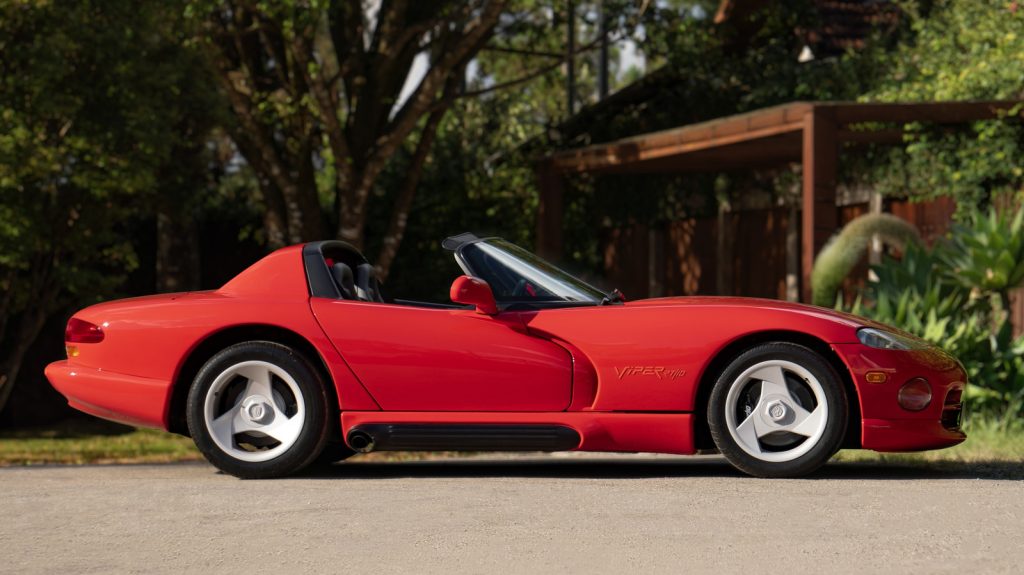
Dodge Viper: Massive V10 Power paired with Harsh Refinement
The original Dodge Viper captured public attention in the 1990s with its muscular proportions and an aggressive 400-horsepower 8.0-liter V10 engine inspired by classic roadsters. It delivered raw speed, but sacrificed virtually all occupant comforts and safety technology to achieve it.
Early Vipers lacked anti-lock brakes, traction control, side windows, and exterior door handles. The combination of high engine torque, primitive chassis tuning, and wide rear tires makes the vehicle unpredictable near its traction limits. Drivers expecting modern sports car balance often find the interior loud, hot, and punishing on daily commutes.
Mazda MX-5 Miata: Terrific Cornering Limited by Practicality
The Mazda Miata earns widespread praise for lightweight chassis design, precise manual gearshifts, and exceptional reliability. For pure backroad driving enjoyment at sensible speeds, few roadsters match its balance and low running costs.
However, the Miata’s tight dimensions limit its everyday usability. The tiny two-seat interior strains comfort for taller drivers, while the minuscule trunk barely fits standard luggage. Buyers seeking high-speed overtaking power or practical single-car ownership often find vehicles like hot hatchbacks far more versatile without sacrificing driving engagement.
DeLorean DMC-12: Supercar Looks Paired with Economy Power
With its brushed stainless-steel body, mid-engine architecture, and signature gull-wing doors, the DeLorean DMC-12 remains a pop-culture centerpiece. Collectors value its distinct visual presence and cinematic association above almost everything else.
Beneath the exotic exterior sits a 2.8-liter Peugeot-Renault-Volvo V6 producing a modest 130 horsepower. Road tests in 1982 registered a sluggish 10.5-second run to 60 mph and a quarter-mile time approaching 18 seconds. Compounded by tricky spare-parts sourcing, ownership can be frustrating for enthusiasts expecting dynamic performance.
Toyota Supra Mk4: JDM Stardom Driving Inflated Market Values
The fourth-generation Toyota Supra Turbo earned genuine respect in 1993 with its robust 2JZ twin-turbocharged engine and sophisticated rear-wheel-drive platform. Stock examples delivered strong acceleration that competed well against European sports cars of the era.
Decades of pop-culture exposure have pushed pristine Mk4 Supras past the $100,000 threshold on the secondary market. In factory-stock trim, the car feels heavy in corners, and its performance closely matches modern entry-level pony cars available at a fraction of the price. Unless a buyer specifically wants the 2JZ platform for high-horsepower engine builds, alternative performance cars yield far better value.
Frequently Asked Questions
Why are classic sports cars expensive if modern cars are faster?
Collector market valuations are primarily driven by low supply, nostalgic pop-culture appearances, unique styling, and analog driving feel rather than raw acceleration numbers.
Is the Mazda Miata a bad choice for enthusiasts?
No, the Miata is an excellent lightweight sports car for twisty roads, but it may disappoint drivers who want heavy straight-line acceleration, practical storage, or generous cabin space.
Why are early Dodge Vipers considered difficult to drive?
First-generation Vipers produce massive low-end torque without standard electronic driver aids like ABS or traction control, making sudden breakaway at the rear tires difficult to correct for inexperienced drivers.