
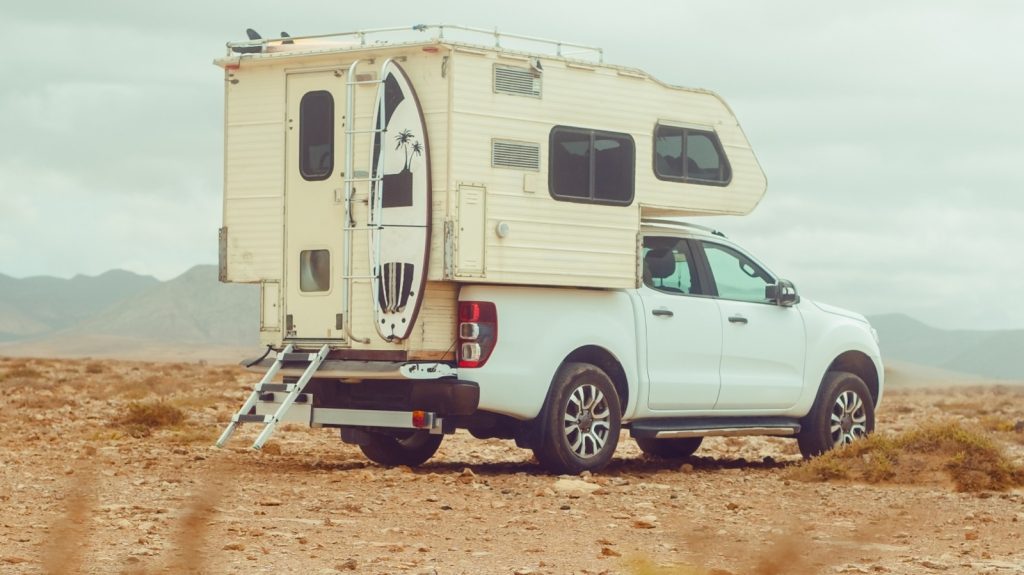
Pairing a pickup truck with a camper offers a flexible way to explore remote campsites without sacrificing mobility or comfortable shelter. However, matching the correct vehicle to your living setup requires balancing payload limits, engine capabilities, and chassis dimensions.
This guide explains how to select the optimal pickup truck for a camper setup by analyzing payload capacity, gross vehicle weight ratings, cab configurations, and powertrain choices. It details the trade-offs between diesel and gasoline engines, single versus dual rear wheels, and four-wheel-drive systems to ensure highway safety, vehicle longevity, and off-grid performance.
Determining If a Truck Camper Fits Your Travel Style
Truck campers bridge the gap between heavy motorhomes and towed travel trailers. Unlike full-sized motorhomes, a truck camper setup can negotiate narrow dirt trails, fit into standard parking spaces, and navigate steep mountain passes with greater agility. Once you reach a destination, many camper models can be detached, freeing the vehicle for day trips or supply runs.
Compared to pulling a travel trailer, a truck camper eliminates the complications of backing up a long hitch assembly and avoids additional toll fees on many turnpikes. While interior square footage is smaller than a traditional travel trailer, modern truck campers maximize spatial efficiency, often featuring full kitchenettes, wet baths, and elevated sleeping quarters.
Matching Vehicle Specifications to Camper Requirements
Selecting the right rig often comes down to timing: deciding whether to choose the camper or the vehicle first. Unless you already own a pickup, publications like Truck Camper Magazine recommend choosing your desired camper layout before buying the truck. Selecting the living unit first ensures you establish the exact footprint and weight requirements beforehand.
Calculating your required payload is essential. Truck campers fit mid-size, full-size half-ton, heavy-duty three-quarter-ton, or one-ton bed configurations ranging from five to eight feet. Beyond the dry weight listed by the camper manufacturer, your calculation must account for wet weight (fresh water and propane), passengers, camping gear, and daily supplies. Exceeding a truck’s rated payload compromises braking performance, strain suspension components, and creates handling hazards.
| Configuration | Key Advantages | Primary Trade-offs | Ideal Application |
|---|---|---|---|
| Diesel Engine | High low-end torque, long lifespan, better loaded MPG | Higher purchase price and pricier routine maintenance | Heavy full-sized campers and high-altitude driving |
| Gasoline Engine | Lower upfront purchase cost, cheaper regular fuel | Reduced fuel efficiency when hauling heavy loads | Lightweight pop-up or mid-size truck campers |
| Dually (DRW) | Superior rear-axle stability, maximum payload rating | Wider profile, reduced off-road tight-trail clearance | Multi-slide, top-heavy, or hard-side camper setups |
| Four-Wheel Drive (4WD) | Maximized traction in mud, loose dirt, and deep snow | Extra drivetrain hardware reduces overall payload capacity | Off-grid overlanding and remote backcountry camping |
Engine Options: Gasoline vs. Diesel Power
Choosing between a gasoline or diesel engine affects long-term ownership costs and vehicle capability. For large hard-sided campers that approach maximum payload capacities, diesel engines excel. They generate exceptional low-end torque, making hauling heavy loads up steep mountain grades less stressful on the transmission.
Diesel trucks also deliver noticeably better fuel economy when fully loaded, sometimes improving fuel efficiency by up to 5 mpg over equivalent gasoline models. However, diesel options carry higher initial price tags and increased fuel costs in certain regions. For lighter pop-up campers or moderate travel schedules, modern gasoline engines provide adequate power with lower upfront investment.
Single Rear Wheel vs. Dual Rear Wheel (Dually)
For mid-sized and standard full-sized campers, single rear wheel (SRW) trucks provide ample support and easier maneuvering in tight city settings. However, as camper sizes expand to include multiple slide-outs and full bathroom suites, dual rear wheel (DRW) trucks become necessary.
Dually trucks feature two tires on each side of the rear axle housed beneath flared fenders. The widened footprint distributes heavy top-side camper weight over a broader surface, minimizing body roll and highway sway caused by crosswinds. Additionally, a dually leaves remaining payload capacity open if you plan to tow a boat or cargo trailer behind the camper.
Drivetrain Selection: Two-Wheel Drive vs. Four-Wheel Drive
While four-wheel drive (4WD) is standard gear for backcountry enthusiasts and overlanders, standard two-wheel drive (2WD) pickups offer unique benefits for paved highway touring. The transfer case, front axle assembly, and front driveshaft on 4WD vehicles add substantial weight, directly subtracting from the truck’s total payload rating.
In a 2WD configuration, the substantial weight of a slide-in camper rests directly over the rear drive wheels, naturally increasing tire traction on wet pavement or modest gravel roads. Choosing 2WD saves initial capital and weight, provided your travel plans stay primarily on established roadways.
Alternative Rigs and Pre-Owned Considerations
Overlanding enthusiasts sometimes bypass traditional dealership options in favor of custom platforms. Specialty military surplus vehicles like the Mercedes Unimog, retired European fire trucks, or custom-fabricated beds on vintage pickups allow for custom-built camper shells tailored to rugged expeditions. These builds require significant mechanical skill and customized engineering.
If you are shopping the pre-owned truck market, thorough inspection is imperative. Carrying a constant heavy load accelerates wear on a truck’s suspension, transmission, and braking systems. Always check service history records, perform an OBD2 diagnostic code scan, and hire an independent mechanic to review frame integrity, leaf springs, and engine health before finalizing a purchase.
Frequently Asked Questions
Should you purchase the camper or the pickup truck first?
Selecting the camper model first is generally recommended if you own neither. Determining the camper’s exact wet weight, bed length requirements, and floor plan ensures you buy a pickup truck with a payload capacity that safely accommodates your setup.
Is a dually truck strictly necessary for a slide-in camper?
A dually (dual rear wheel) truck is not required for lightweight pop-up or smaller hard-side campers. However, for large hard-side models with multiple slide-outs, a dually provides essential sway control, enhanced rear axle capacity, and superior overall driving stability.
How does 4WD affect a truck’s available payload capacity?
Equipping a truck with a 4WD system adds heavy mechanical components like a transfer case and front differential. Because payload is calculated by subtracting curb weight from Gross Vehicle Weight Rating (GVWR), 4WD trucks typically have slightly lower payload ratings than identical 2WD models.