
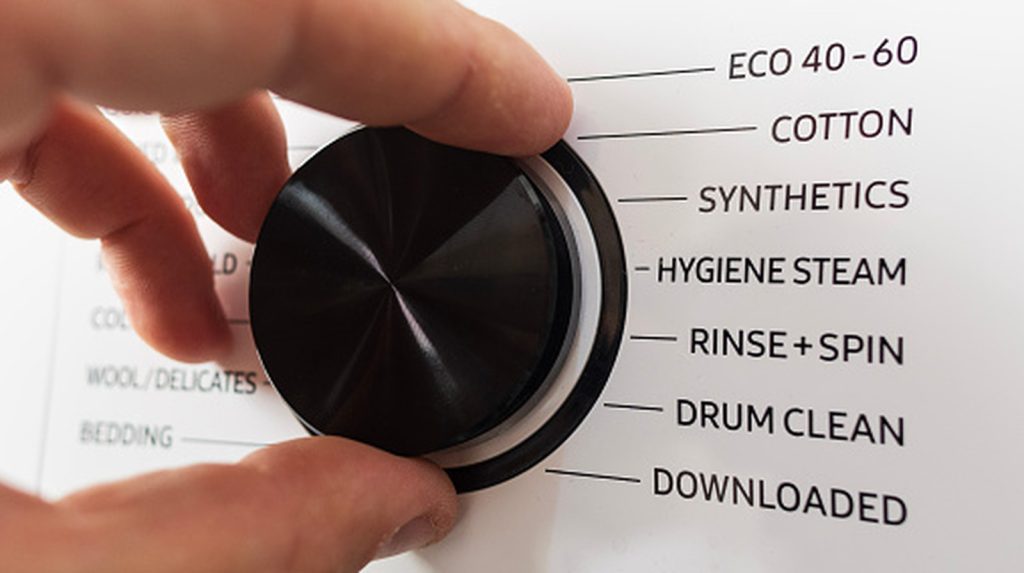
Shopping for a new washer often presents a confusing list of high-tech add-ons, with steam cleaning near the top of the feature sheet. While manufacturers market this function as a deep-cleaning upgrade, understanding how it operates helps buyers determine if the higher price tag is justified.
A washing machine steam cycle heats water into high-temperature vapor or mists laundry during wash phases to assist with stain removal, wrinkle reduction, and allergen elimination. Typically available on premium front-load units, this feature increases energy usage and cycle duration, offering specific benefits for sensitive skin and delicate fabrics rather than standard everyday loads.
How Washing Machine Steam Settings Work
Steam features are generally built into mid-to-high-tier laundry appliances, particularly front-load models. Rather than replacing standard wash routines, the steam function operates alongside regular cycles. High-end units use internal heating elements to vaporize water or fire fine mists through specialized nozzles into the drum during the wash and post-wash phases.
Injecting hot vapor into the sealed tub increases the internal temperature and adds extra humidity. This combination helps relax fabric fibers, allowing water and detergent to penetrate deeper into clothing. The elevated heat environment also helps neutralize common household allergens embedded in bedding and towels.
Performance vs. Cost: Evaluating the Real Value
Appliance models equipped with steam settings generally carry higher price tags, often starting around $700 and ranging into four-digit prices. Beyond the initial purchase price, operating a steam cycle consumes extra electricity to generate heat and extends total wash times. It can also slightly increase water usage, leading to higher overall utility expenses.
Despite heavy marketing, independent evaluations present mixed results regarding stain removal performance. Independent testing from organizations like Consumer Reports revealed that adding steam to standard washes provided minimal improvement on tough stains such as red wine, carbon, and cocoa. Because garments are already saturated with soapy water early in the cycle, the steam mist delivers little added stain-lifting power.
However, the setting remains practical for secondary benefits. Steam excels at relaxing tight fabric wrinkles, which reduces ironing time. It also provides peace of mind for households dealing with severe dust mite or pet dander allergies.
Comparing Standard Wash Cycles vs. Steam Settings
| Feature / Aspect | Standard Wash Cycle | Steam Wash Cycle |
|---|---|---|
| Primary Focus | Everyday dirt and soil removal | Wrinkle reduction and allergen control |
| Cycle Duration | Standard runtime | Extended runtime |
| Utility Consumption | Normal energy and water use | Higher electricity and water demand |
| Appliance Price Point | Entry-level to mid-range units | Higher-end appliances ($700+) |
Frequently Asked Questions
Does the steam cycle sanitize laundry?
Yes, the high heat generated by steam settings can significantly reduce common bacteria and dust mite allergens. This makes it a useful option for bedding, baby clothes, and allergy-sensitive households.
Does using steam remove tough stains better than regular cycles?
Testing indicates that steam delivers minimal added benefit for heavy stain removal compared to a quality detergent and regular wash cycle. Pre-treating stains remains the most effective method for lifting tough spots.
Why are steam-capable washing machines more expensive?
Steam capability requires specialized heating elements, misting nozzles, and enhanced tub seals. Manufacturers typically bundle these components into premium front-load units equipped with higher overall technology stacks.