
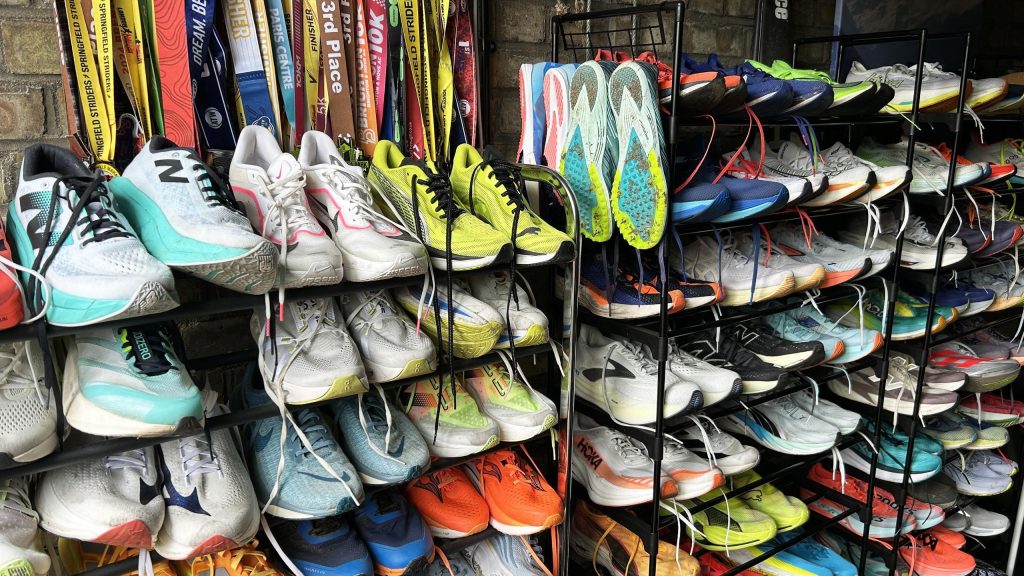
Finding the right running shoe comes down to matching your individual gait with the ideal balance of cushioning, stability, and responsiveness. Whether you are logging your first mile or training for a marathon personal best, shoe technology now offers targeted options for every type of workout.
Direct Summary: This guide outlines the top running shoes evaluated through hundreds of miles of road testing across diverse paces and conditions. It covers leading recommendations for beginners, high-value daily training, stability needs, plush cushioning, and fast workouts. Each selection detailed below includes specific weight metrics, heel-to-toe drops, midsole technologies, and target user profiles to streamline your decision.
Essential Factors to Consider Before Buying
Running shoe preferences depend heavily on individual biomechanics. Visiting a local specialty running store for a gait analysis helps identify whether your foot rolls inward excessively (overpronation) or maintains a neutral motion. However, physical therapists consistently emphasize that overall comfort remains the most reliable indicator of a shoe’s suitability.
When reviewing technical specifications, keep these key industry terms in mind:
- Heel-to-Toe Drop: The height difference between the heel foam and forefoot foam. Standard drops range from 8mm to 12mm, while a zero-drop shoe keeps the heel and forefoot at identical heights for a barefoot-style stride.
- Neutral Shoes: Flexible, cushioned trainers designed for runners with medium-to-high arches who do not severely overpronate.
- Stability Shoes: Footwear constructed with wider bases, firm sidewalls, or specialized foam geometry to guide overpronating feet into a balanced landing position.
- Carbon/Plated Shoes: Footwear featuring embedded stiffening plates within high-rebound foam. These assist in forward propulsion during faster training efforts and races, though they typically wear down faster than standard trainers.
Meet the Testing Crew
Our evaluation panel consists of three dedicated runners who put every pair through rigorous daily miles:
- Nick Harris-Fry (Senior Writer): A marathoner with a personal record of 2:25 who runs 60 to 80 miles per week, preferring versatile trainers that combine lightweight responsiveness with solid comfort.
- Jane McGuire (Fitness Editor): A veteran marathon runner with a 3:38 PR who favors maximum-cushioned shoes built to protect legs during high-volume training.
- Jessica Downey (Senior Writer): A sub-four-hour marathoner who balances daily high-stack trainers with carbon-plated options for tempo sessions.
Overview: Top Tested Running Shoes Compared
| Model | Category | Men’s Weight | Heel Drop | Primary Feature |
|---|---|---|---|---|
| Asics Novablast 6 | Best for Beginners | 9.2 oz | 8mm | Lively FF Turbo Squared forefoot foam |
| Nike Pegasus 42 | Best Value | 10.8 oz | 10mm | Full-length Air Zoom unit in ReactX foam |
| Saucony Hurricane 25 | Best Stability | 10.0 oz | 6mm | CenterPath alignment technology |
| Nike Vomero Plus | Best Max Cushion | 10.3 oz | 10mm | Unplated full ZoomX foam midsole |
| New Balance SC Rebel v1 | Best for Speed | 7.9 oz | 4mm | Pebax plate with supercritical TPU foam |
Detailed Reviews of Our Top Picks
1. Asics Novablast 6 — Best Running Shoe for Beginners
The Asics Novablast 6 is an outstanding daily trainer that delivers a protective, energetic ride. Upgraded with an insert of FF Turbo Squared foam in the forefoot, this iteration provides noticeably better bounce and lower weight than its predecessor, making it suitable for both easy recovery jogs and uptempo efforts.
Key Specs: Weight: 9.2 oz (M) | Heel Drop: 8 mm
Pros: Generous impact protection, springy forefoot energy return, dependable outsole traction.
Cons: Slightly higher price tag than previous iterations; lacks the aggressive snap needed for short track sprints.
2. Nike Pegasus 42 — Best Value Daily Trainer
A classic workhorse, the Nike Pegasus 42 introduces a full-length Air Zoom unit encapsulated within ReactX foam, resulting in a smoother transition across all paces. Coupled with an updated, breathable mesh upper, it offers extreme durability and dependable comfort at an accessible price point.
Key Specs: Weight: 10.8 oz (M) | Heel Drop: 10 mm
Pros: Exceptional outsole durability, smooth heel-to-toe ride, great value across sales cycles.
Cons: Noticeably heavier than lightweight competitors; firm cushioning may lack energy for runners seeking maximum plushness.
3. Saucony Hurricane 25 — Best Stability Shoe
Built for runners who need reliable support, the Saucony Hurricane 25 uses CenterPath Technology to gently keep overpronating strides aligned. A core of soft PWRRUN PB foam surrounded by a stable PWRRUN rim ensures that long runs feel well-cushioned without feeling overly rigid.
Key Specs: Weight: 10.0 oz (M), 8.8 oz (W) | Heel Drop: 6 mm
Pros: Non-intrusive support structure, soft yet controlled landing, durable XT-900 rubber outsole.
Cons: Upper retention can run warm during high-temperature summer runs.
4. Nike Vomero Plus — Best Max Cushioning
Packed with thick layers of premium ZoomX foam, the Nike Vomero Plus isolates your joints from hard road impact. Because it omits a stiff carbon plate, the shoe delivers a soft, resilient bounce that keeps legs feeling fresh during marathon training blocks and recovery days.
Key Specs: Weight: 10.3 oz (M), 8.5 oz (W) | Heel Drop: 10 mm
Pros: Exceptionally soft impact absorption, wide stable platform, comfortable fit right out of the box.
Cons: Bulky profile is unsuited for technical trails or sharp track turns.
5. New Balance SuperComp Rebel v1 — Best for Speed Workouts
Combining a carbon-infused Pebax plate with supercritical aliphatic TPU foam, the New Balance SuperComp Rebel v1 offers high-speed spring in a remarkably lightweight frame. The flexible plate design allows it to feel comfortable during routine daily training while serving as a rapid option for workout days.
Key Specs: Weight: 7.9 oz (M) | Heel Drop: 4 mm
Pros: Rapid propulsive bounce, ultra-light construction, highly engaging ride for tempo efforts.
Cons: Retail price sits near $200; narrow fit may require sizing up half a size for wider feet.
Other Notable Shoes Tested
- Puma Deviate Pure Nitro ($150): A lightweight daily option offering a balanced, responsive ride that excels across various training paces.
- Brooks Ghost 18 ($150): A traditional, highly stable daily trainer that performs best on slow, easy-paced miles.
- Skechers Aero Razor ($140): A firm, ultra-light shoe tailored for runners who prefer lower stack heights and direct ground feel.
- Hoka Clifton 11 ($155): A smooth-rolling, high-cushion option designed for long road sessions and extended walking periods.
- Saucony Triumph 24: An upgraded premium cushioned shoe featuring lively foam updates, ideal for long distance protection.
Frequently Asked Questions
How many miles do running shoes usually last?
Most quality running shoes maintain structural integrity for 300 to 500 miles. Outsole wear, visible foam compression lines, or localized joint soreness are clear signs that a pair is ready for retirement.
Should I choose a neutral or stability shoe?
If your feet land naturally without severe inward collapse at the ankle, a neutral shoe provides ideal flexibility. If you overpronate or experience inner ankle fatigue during long efforts, a stability model offers helpful guidance.
Can I wear plated running shoes every day?
While modern plated shoes are comfortable, relying exclusively on stiff plates can reduce natural foot muscle engagement over time. Alternating a plated shoe with a flexible daily trainer creates a balanced training routine.