
Reaching for a bottle of liquid drain opener when your sink or bathtub stops draining seems fast, but professional plumbers consistently warn against quick chemical fixes. Caustic formulas can permanently ruin home plumbing lines and contaminate public wastewater systems.
This guide provides a safe, plumber-approved method for clearing stubborn household drain clogs using simple items like baking soda, white vinegar, dish soap, and a wire hanger. Ideal for homeowners and renters dealing with hair, soap scum, or grease buildup, this non-corrosive technique removes blockages without damaging plastic PVC pipes or rubber seals.
Chemical Cleaners vs. Safe Natural Methods
| Factor | Chemical Drain Cleaners | Safe Natural Method |
|---|---|---|
| Primary Ingredients | Sodium hydroxide, sulfuric acid, caustic agents | Baking soda, white vinegar, dish soap, hot water |
| Pipe Safety | Warps plastic PVC, corrodes metal, melts rubber seals | 100% safe for PVC, metal, and rubber gaskets |
| Environmental Impact | Toxic to aquatic ecosystems and local waterways | Biodegradable and non-toxic |
| Standing Water Hazard | Creates a basin of dangerous acid if unclogging fails | Non-hazardous liquid easily bailed or flushed |
The Hidden Dangers of Chemical Drain Unblockers
Commercial drain openers rely on harsh caustic substances, such as sodium hydroxide, to dissolve organic matter. While these compounds can melt grease and hair, the thermal chemical reaction generates extreme heat inside your drainage system.
This excess heat frequently distorts plastic PVC piping, degrades rubber pipe gaskets, and eats through older metal plumbing lines. If the chemical solution fails to pass the obstruction, you are left with a fixture full of toxic acid that poses severe burn risks to anyone attempting subsequent repairs.
Step-by-Step Guide to Clearing Clogs Safely
Step 1: Extract Physical Debris and Prime the Line
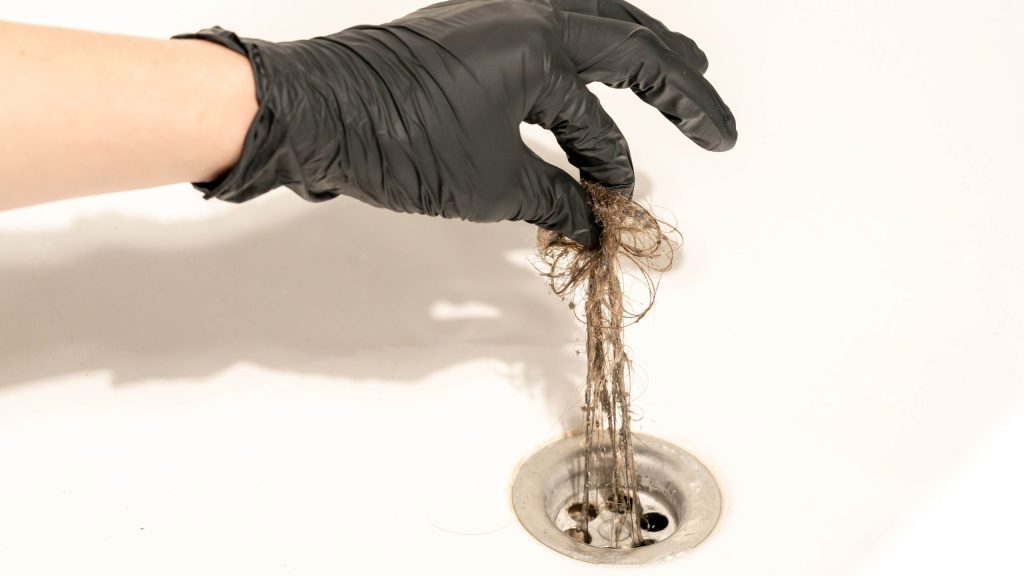
Before introducing liquid remedies, physically remove as much surface blockage as possible. Straighten out a thin wire coat hanger and form a tiny hook at the end, or use a flexible plastic drain snake.
Wiggle the tool deep into the drain assembly, rotate it slowly, and pull up to pull out bound hair and scum. Once the central mass is removed, squirt three to four generous drops of grease-cutting dish soap straight down the drain pipe to soften sticky conditioner and body oil residue.
Step 2: Trigger the Natural Fizzing Action
Pour roughly half a cup of baking soda down the drain line, immediately followed by one cup of plain white vinegar. The acid-base reaction creates carbon dioxide gas and a scouring foam that loosens sticky particles along the pipe walls.
Allow the mixture to work inside the drain line for 10 to 15 minutes. If your sink fixture is entirely backed up with standing water, scoop the water out first. Pouring vinegar and baking soda directly into standing water dilutes the ingredients and prevents them from reaching the blockage site.
Step 3: Flush with Warm Water
While the natural foam breaks down leftover grime, heat a pot of water on the stove. Let the water cool for roughly ten minutes after boiling—using boiling water directly can warp PVC joints or break rubber seals inside your trap.
Pour two to three cups of hot water straight down the drain to flush away loosened material. Finish by running warm tap water for 30 seconds to ensure smooth flow and wash away residual vinegar odors.
Frequently Asked Questions
Why is boiling water bad for plastic PVC pipes?
Boiling water reaches temperatures of 212°F (100°C), which exceeds the thermal tolerance of standard PVC pipes and rubber joining gaskets. Pouring boiling liquid directly down the drain can soften PVC joints and weaken seals over time, leading to hidden leaks under sinks.
What should I do if my sink is completely filled with standing water?
Bail out the standing water using a small cup or sponge before applying baking soda and vinegar. Natural fizzing remedies must make direct contact with the organic clog to work effectively, which cannot happen if they float on top of a full sink basin.
Will baking soda and vinegar clear severe tree root or sewer main line clogs?
No, natural fizzing solutions are intended only for localized organic buildup like hair, soap scum, and grease in branch lines. Severe main sewer line obstructions or invading tree roots require professional mechanical augers or high-pressure hydro-jetting equipment.