
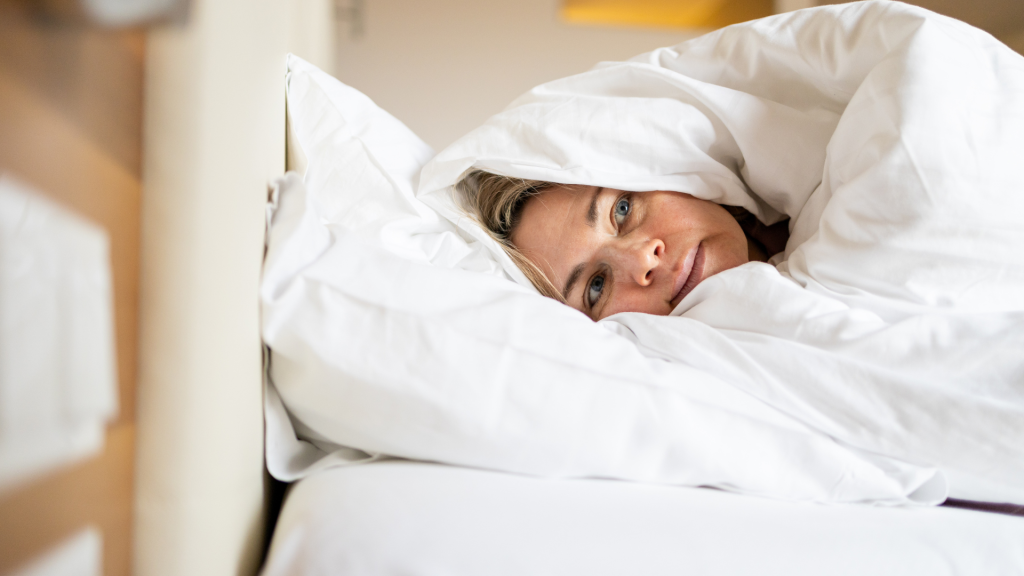
As autumn arrives and daylight hours shrink, many people experience sudden disruptions to their regular night-time rest. Lower temperatures and gloomier mornings often make waking up harder while leaving you feeling sluggish throughout the afternoon.
Seasonal shifts in autumn—including reduced daylight exposure, cooler weather, and schedule changes—significantly alter human circadian rhythms and night-time rest. Chartered psychologist and sleep specialist Dr. Lindsay Browning highlights five common fall sleep challenges, including Seasonal Affective Disorder (SAD) and reduced physical activity, while recommending practical daily habits alongside targeted sleep technology to restore healthy sleep patterns.
Autumn Sleep Issues and Fixes at a Glance
| Fall Sleep Issue | Primary Mechanism | Recommended Solution / Tool |
|---|---|---|
| Reduced Exercise | Colder weather and early darkness decrease daily movement and sleep drive. | Indoor fitness tracking with Garmin Vivoactive 5 |
| Seasonal Affective Disorder (SAD) | Reduced sunlight levels impact mood and hormone regulation in ~410 million people globally. | DABLEIBEN 10,000 Lux Light Therapy Lamp |
| Respiratory Illnesses | Nasal congestion and post-nasal drip disrupt breathing when lying flat. | Breathe Right Extra Strength Nasal Strips |
| Daylight Saving Time Change | Clock adjustments temporarily desynchronize melatonin and cortisol release. | Dreamegg Sunrise 1 Alarm Clock |
| Increased Alcohol Intake | Metabolized alcohol triggers midnight cortisol spikes and reduces REM sleep. | Consistent wake schedules and moderate consumption |
Why Seasonal Changes Disrupt Your Rest
Daylight serves as the main primary environmental signal for your circadian rhythm. When autumn brings overcast weather and shorter days, decreased light exposure leads to daytime drowsiness and altered sleep schedules.
Dr. Lindsay Browning, chartered psychologist, neuroscientist, and author of Navigating Sleeplessness, notes that seasonal lifestyle shifts also play a major role. Increased social events, higher stress levels, and changes in diet during the fall months frequently combine to impair sleep quality.
Interestingly, seasonal changes affect everyone differently. Research published in the journal Nature indicates that some individuals actually sleep slightly longer during autumn and winter months. However, persistent mood changes or severe sleep disruptions warrant advice from a medical professional.
5 Common Fall Sleep Problems Explained
1. Decreased Physical Activity
Regular physical exertion is strongly linked to deeper, more restorative rest. As autumn weather deteriorates and evenings darken, outdoor workouts decline, leading to lower scores on the Pittsburgh Sleep Quality Index (PSQI).
Consistent movement boosts natural melatonin production and keeps stress levels under control. Maintaining an active lifestyle during cooler months helps prevent insomnia and keeps your sleep cycle on track.
2. Seasonal Affective Disorder (SAD)
SAD is a form of depression triggered by reduced sunlight during autumn and winter. Global health data reveals that SAD affects approximately 5% of the world’s population, which translates to roughly 410 million people worldwide.
Symptoms include daytime exhaustion, morning grogginess, reduced concentration, increased appetite, and insomnia or hypersomnia. If seasonal mood changes interfere with your day-to-day life, consult a healthcare provider for guidance.
3. Autumn Colds and Flu Congestion
Respiratory viruses spread more rapidly during colder months. Congestion and coughing disrupt sleep because gravity no longer assists mucus drainage when you lie down flat in bed.
This buildup often causes post-nasal drip, triggering coughing fits and frequent night-time awakenings that fragment your overall rest cycle.
4. End of Daylight Saving Time
When the clocks fall back in November, gaining an extra hour of sleep might seem helpful. However, even a one-hour shift can temporarily confuse your body clock.
This shift disrupts the timed release of melatonin and cortisol, leading to early awakenings or trouble falling asleep. Fortunately, body clocks usually adjust within several days to a couple of weeks.
5. Higher Autumn Alcohol Consumption
Autumn tailgates, holiday gatherings, and festive celebrations often lead to higher alcohol consumption. While alcohol acts as a sedative initially, it severely damages night-time sleep architecture.
As the body metabolizes alcohol overnight, it releases stress hormones like cortisol, causing sudden awakenings and suppressing vital REM sleep cycles.
Expert Tips to Maintain Healthy Sleep
- Seek Early Morning Light: Step outdoors within an hour of waking to anchor your circadian rhythm, improve daytime alertness, and boost night-time sleepiness.
- Maintain Fixed Wake Times: Wake up at the same time every day, even on weekends. Sleeping in deprives you of vital morning daylight and pushes your body clock later.
- Transition to Indoor Activity: Keep your body moving by switching outdoor runs to indoor sports, gym routines, or home workouts when the weather turns poor.
Effective Gear for Autumn Sleep Management
Integrating targeted wellness products into your evening routine can counter seasonal sleep obstacles effectively:
Dreamegg Sunrise 1 Alarm Clock: Simulates a gradual natural sunrise to gently wake you up as autumn mornings darken. It also functions as a dimmable night light featuring 29 soothing sounds and 10 color settings.
Breathe Right Extra Strength Nasal Strips: Uses spring-like flexible bands to physically open nasal passages, relieving autumn cold congestion so you can breathe freely while sleeping flat.
YnM Cooling Bamboo & Velvet Weighted Blanket: Applies deep touch pressure to calm the parasympathetic nervous system, helping soothe bedtime anxiety. Features cooling bamboo rayon on one side and cozy velvet on the other.
DABLEIBEN Sun Light Therapy Lamp: Emits 10,000 lux of bright light to combat SAD symptoms during dark mornings. Includes a 650nm red light mode to stimulate natural melatonin production before bed.
Garmin Vivoactive 5 Smartwatch: Features built-in sports tracking alongside advanced sleep monitoring. Analyzes heart rate variability (HRV), sleep stages, and movement to deliver daily sleep coaching scores.
Frequently Asked Questions
Why do I feel so tired during the fall season?
Decreased sunlight exposure reduces serotonin levels and alters your natural melatonin timing. This disruption to your circadian rhythm often leads to lower daytime energy and persistent grogginess.
How long does it take to adjust to autumn daylight saving time?
Most individuals adapt to the autumn clock change within three to seven days. Keeping a strict wake schedule and seeking natural morning light accelerates this adjustment phase.
Do light therapy lamps really help with seasonal sleep problems?
Yes. Utilizing a 10,000 lux light therapy lamp for 20 to 30 minutes each morning mimics natural sunlight, helping reset your internal clock, boost daytime energy, and promote earlier melatonin release at night.