
Finding the right wearable often comes down to choosing between feature-packed smartwatches and minimalist health monitors that sit quietly on your wrist or finger. If your goal is simply to measure daily movement, monitor overnight recovery, and check heart rate trends, you do not need to spend hundreds on unnecessary extra tech.
Based on extensive real-world testing evaluating step accuracy, sleep stage tracking, and heart rate monitoring, three standout devices lead the current market: the screenless Fitbit Air for distraction-free daily monitoring, the ultra-affordable Xiaomi Smart Band 10 featuring a bright color screen, and the discreet Oura Ring 4 for comprehensive, AI-driven wellness metrics.
| Device | Best For | Display | Battery Life | Water Resistance | Standout Feature |
|---|---|---|---|---|---|
| Fitbit Air | Best Overall | None (Screenless) | 7 Days | 50 Meters | Distraction-free tracking with no mandatory subscription |
| Xiaomi Smart Band 10 | Best Budget | 1.72-inch AMOLED | Up to 21 Days | 50 Meters | 159 activity modes and long battery life at under $50 |
| Oura Ring 4 | Best Smart Ring | None (Ring Design) | 8 Days | 50 Meters | All-titanium build with AI Oura Advisor health insights |
The Top Tested Fitness Trackers of the Year
1. Fitbit Air — Best Overall Fitness Tracker
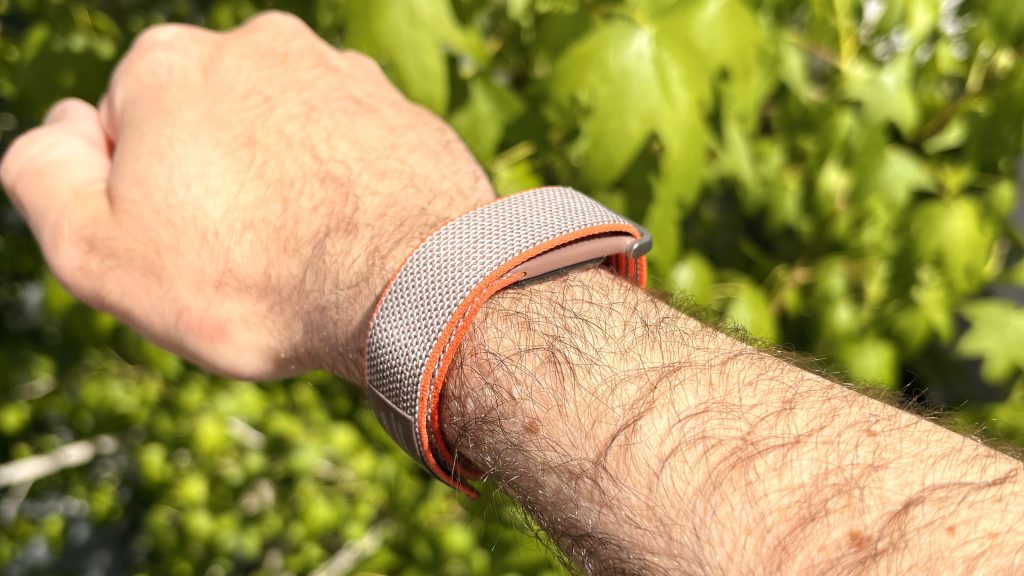
The Fitbit Air represents a deliberate step back to basics. Designed as a lightweight 5.2-gram pebble that clips securely into a comfortable wristband, it intentionally eliminates the screen, smartphone notifications, and clutter. This screenless approach lets the device quietly record your steps, heart rate, and blood oxygen levels throughout the day without prompting constant digital distractions.
Priced at $99 with no required monthly subscription for core functionality, the Fitbit Air pairs across both iOS and Android devices via the Google Health app. In real-world comparisons against high-end monitors like the Whoop 5.0 and Garmin Forerunner 70, the Air proved remarkably consistent in step counting and sleep stage measurements. The primary compromise is the lack of built-in GPS for untethered run tracking, along with an automatic activity tracking feature that takes 15 minutes of continuous movement to trigger.
2. Xiaomi Smart Band 10 — Best Budget Pick
If you want a capable wrist-worn tracker with a vibrant display for less than $50, the Xiaomi Smart Band 10 delivers exceptional value. Featuring a sharp 1.72-inch AMOLED screen and a lightweight 17-gram body, it provides quick access to workout menus, real-time heart rate data, and customizable watch faces without feeling bulky.
The Smart Band 10 supports 159 distinct activity modes and matches much pricier wearables in raw step-counting precision. Battery life easily stretches across multiple weeks between charges, and all recorded metrics are stored inside the companion app without any paywalled features. While its data presentation lacks advanced algorithmic training recommendations found on high-end devices, it remains an unmatched option for everyday fitness tracking on a budget.
3. Oura Ring 4 — Best Smart Ring for Health Insights
For users who prefer to skip wristwear entirely, the Oura Ring 4 provides standard fitness and health tracking inside a sleek, titanium band. Weighing between 3.3 and 5.2 grams depending on size, the Ring 4 features interior sensors that sit flush against your finger for a smooth, comfortable fit during workouts and sleep.
What elevates the Oura Ring 4 above competing wearables is its companion software, which leverages an AI assistant called Oura Advisor to deliver actionable daily health advice. The system tracks heart rate variability, body temperature, and recovery scores, while offering specialized integrations for cycle and fertility monitoring via Natural Cycles. Though full software access requires an ongoing monthly subscription, its combination of 8-day battery life and sophisticated health analysis makes it the premier finger-based wearable available.
Other Notable Wearables Tested
Beyond our primary top picks, several other devices were evaluated across different categories:
- Fitbit Charge 6: A solid option for users who want built-in GPS and deeper integration into the Google software ecosystem, though it costs more than the Fitbit Air.
- Whoop 5.0: A screenless strap built for serious recovery analysis, though its ongoing subscription fee makes it significantly costlier over time.
- Apple Watch SE 3 & Samsung Galaxy Watch 9: Excellent smartwatches for dedicated iOS or Samsung users who want wrist notifications alongside basic health tracking, though both require daily or every-other-day charging.
- Garmin Vivoactive 6: Tailored toward runners seeking detailed training plans and athletic metric tracking inside a traditional watch frame.
How to Select the Right Fitness Tracker
Before purchasing a wearable, narrow down your specific goals. If your primary objective is keeping track of daily step goals, simple heart rate benchmarks, and sleep duration, a basic tracker like the Fitbit Air or Xiaomi Smart Band 10 covers everything you need without extra recurring expenses.
If your focus centers around holistic health recovery, body temperature trends, or discreet long-term habit tracking, a smart ring like the Oura Ring 4 offers a fashion-conscious alternative. Additionally, ensure the model you choose supports cross-platform sync if you plan on switching between Android and iPhone devices in the future.
Frequently Asked Questions
How private is the data collected by fitness trackers?
Wearable data is generally not protected under strict medical privacy laws. While Apple Health provides end-to-end encryption for stored metrics, most other major brands retain data on company servers, making it subject to corporate security measures and potential government requests. Users should evaluate a brand’s data handling policies when selecting a device.
What is the difference between a fitness tracker and a smartwatch?
Fitness trackers focus strictly on logging steps, heart rate, workouts, and sleep, which allows them to offer longer battery life and lower price points. Smartwatches include larger color screens, app ecosystems, mobile payments, and cellular capabilities, but typically require charging every one to two days.
Do I need built-in GPS on my fitness tracker?
Built-in GPS is only essential if you want to map your outdoor runs or cycling routes without carrying your smartphone. If you routinely take your phone with you during workouts, a tracker without onboard GPS can utilize your phone’s location data to save both device cost and battery life.