
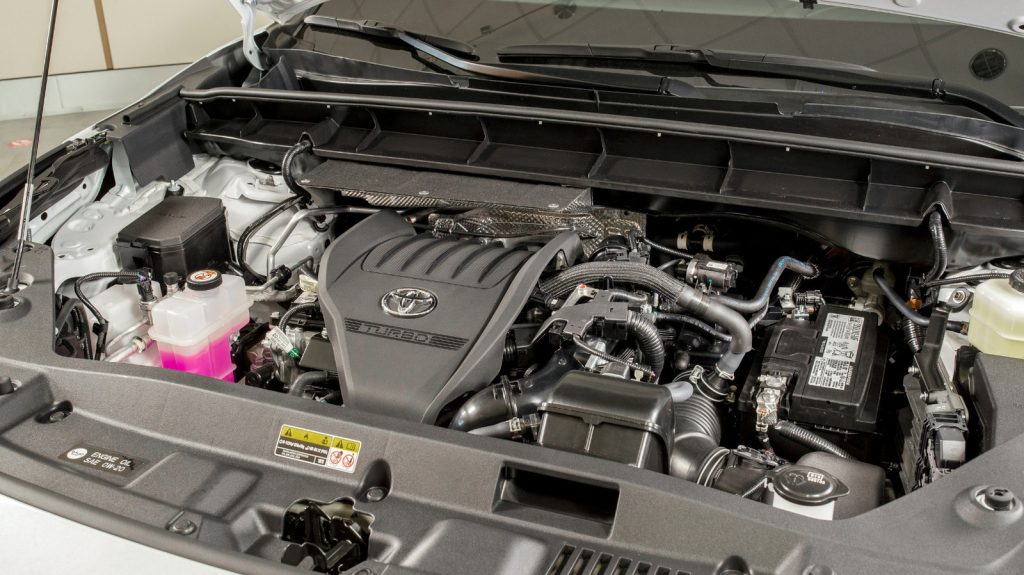
Choosing between a traditional V6 engine and a turbocharged four-cylinder often comes down to a fundamental decision between long-term mechanical durability and daily fuel efficiency. Drivers evaluating modern crossovers and trucks frequently wonder if forced-induction downsized engines can match the longevity of larger, naturally aspirated powertrains.
Naturally aspirated V6 engines generally offer superior long-term reliability compared to turbocharged four-cylinder engines due to lower mechanical strain and fewer potential failure points. While turbocharged four-cylinders provide superior fuel economy and strong low-end torque, non-turbo V6 powertrains excel in heavy towing applications and high-mileage durability for long-term owners.
V6 vs. Turbocharged 4-Cylinder Engine Comparison
To understand how these two engine architectures stack up across key ownership metrics, review the comparative breakdown below:
| Engine Characteristic | Naturally Aspirated V6 | Turbocharged 4-Cylinder |
|---|---|---|
| Mechanical Complexity | Simpler design with no forced induction hardware | Higher complexity due to turbochargers, wastegates, and intercoolers |
| Long-Term Durability | Higher baseline reliability; lower overall thermal strain | Increased stress on internal parts under heavy load |
| Fuel Efficiency | Moderate efficiency across city and highway driving | Superior fuel economy during light-load cruising |
| Low-End Torque | Linear acceleration across the rev range | Higher immediate torque available at lower RPMs |
| Towing Capacity | Higher towing limit (e.g., 4,500 lbs on Chevy Blazer) | Moderate towing limit (e.g., 3,250 lbs on Chevy Blazer) |
Why V6 Powertrains Edge Ahead in Reliability
The primary durability advantage of a V6 engine lies in its naturally aspirated configuration. Because a V6 creates power through larger displacement, it operates without forced air induction, keeping combustion pressures and engine heat lower during hard acceleration.
In contrast, a turbocharged four-cylinder engine works significantly harder to propel heavier vehicles. Forcing pressurized air into a smaller displacement engine increases internal mechanical stress, which can accelerate wear over higher mileage. Furthermore, eliminating a turbocharger removes auxilliary plumbing, intercoolers, and wastegates, reducing the number of failure points over time.
Industry reliability data supports these structural differences. Consumer Reports survey findings highlighted that several turbocharged engines experienced distinct problems not typically seen in naturally aspirated setups. Reported issues included failed turbocharger assemblies, engine computer glitches, and even complete engine replacements in severe cases.
Efficiency and Performance: Where Turbo Fours Excel
Despite the longevity edge of six-cylinder engines, automakers continue adopting turbocharged four-cylinders primarily for fuel economy. Downsizing displacement enables better gas mileage during casual driving while still delivering responsive performance when boosted air is requested.
In real-world acceleration tests, forced-induction four-cylinders frequently outpace larger V6 engines. For instance, automotive testing by Car and Driver compared a 2027 Kia Telluride equipped with a 2.5-liter turbocharged four-cylinder against a 2026 Hyundai Palisade featuring a naturally aspirated 3.5-liter V6. Although the Telluride generated less peak horsepower, its turbocharged engine produced 311 pound-feet of torque compared to 260 pound-feet in the Palisade.
That extra low-end pull enabled the turbocharged Telluride to sprint from zero to 60 mph in 7.4 seconds, beating the Palisade’s 8.0-second time. This immediate torque delivery makes four-cylinder turbos feel notably quick during routine city commuting.
Towing Capacities and Heavy Workloads
While turbo fours perform well in quick sprints, naturally aspirated V6 engines demonstrate clear superiority when towing heavy loads. Sustained towing forces small turbocharged engines to operate under continuous boost, generating substantial heat that can degrade components faster.
Vehicle capability ratings clearly reflect this performance split. For example, the 2026 Chevrolet Blazer equipped with the standard turbocharged four-cylinder handles a maximum towing capacity of 3,250 pounds when properly equipped. Upgrading to the V6 variant increases the Blazer’s towing limit to 4,500 pounds—a substantial 1,250-pound advantage for hauling trailers or boats.
Frequently Asked Questions
Is a V6 engine always more reliable than a turbocharged four-cylinder?
While proper vehicle maintenance is critical, naturally aspirated V6 engines are structurally simpler and operate under lower internal pressure than turbo fours. This design generally results in fewer component failures over extended ownership.
Why are car manufacturers replacing V6 engines with turbo four-cylinders?
Automakers favor turbocharged four-cylinders to comply with stricter fuel economy and emissions regulations. Turbocharging allows smaller engines to deliver strong performance during acceleration while consuming less fuel while cruising.
Do turbocharged four-cylinder engines require more maintenance?
Yes, turbocharged engines operate under higher heat and pressure, making timely oil changes crucial to avoid oil degradation and turbocharger damage. Using high-quality synthetic oil and avoiding aggressive shut-offs right after hard driving helps preserve turbo life.