
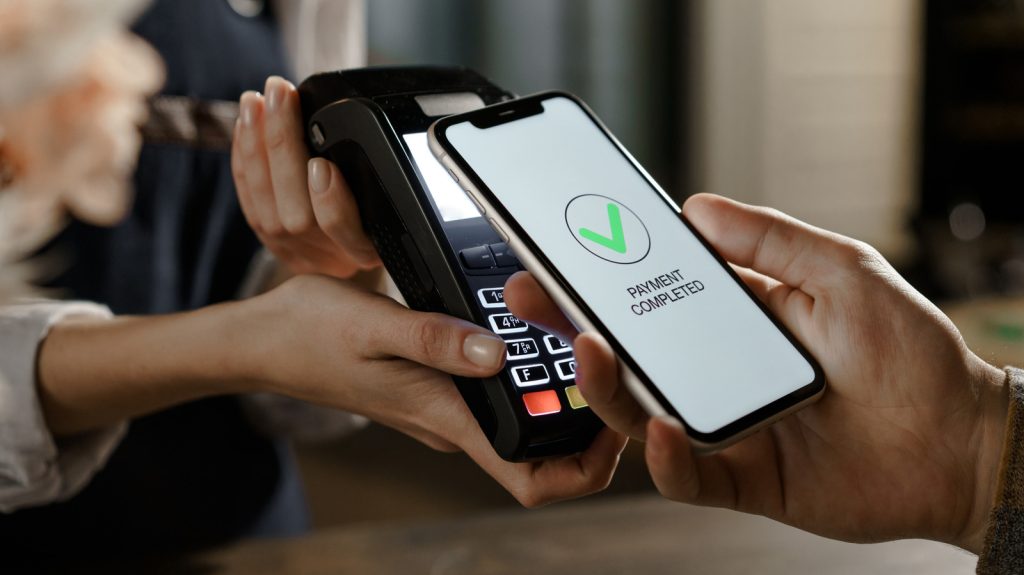
Switching from a traditional leather pocketbook to a smartphone application feels like an effortless upgrade for daily errands. However, entrusting every credit card, identification document, and transit pass to a single mobile device introduces practical vulnerabilities that physical payment methods easily avoid.
This guide analyzes the primary operational and financial risks of relying exclusively on digital payment applications like Apple Wallet or Google Wallet. Key drawbacks include total reliance on smartphone hardware and battery life, network connectivity failures, merchant incompatibility, heightened security risks from device loss, and a documented 35% rise in impulse spending. Carrying a physical wallet as a backup remains an essential safety net.
| Drawback Category | Primary Risk Factor | Practical Impact on Users |
|---|---|---|
| Hardware Reliance | Dead batteries, broken screens, lost phones | Immediate loss of access to funds and digital IDs |
| Network Dependency | Unstable cellular data, offline POS terminals | Declined transactions at checkout counters |
| Financial Behavior | Frictionless, one-tap payment mechanics | Up to 35% increase in unplanned spending |
| Data Security | Single point of failure without strong biometrics | Total compromise of financial credentials if lost |
| Vendor Support | Smaller merchants lacking NFC technology | Inability to complete purchases at small businesses |
Complete Dependence on Battery and Hardware Functionality
The most immediate limitation of a digital wallet is its absolute reliance on a functional mobile device. If your smartphone battery dies during an evening out, you instantly lose the ability to pay for transportation, food, or emergency supplies until you find a charger.
Furthermore, physical damage—such as a shattered touchscreen or internal hardware failure—can render your digital cards unreachable without warning. While losing a traditional physical wallet is inconvenient, losing or breaking the sole device containing your entire digital life leaves you stranded with zero financial backups.
Connectivity Failures and Point-of-Sale Vulnerabilities
Digital wallet transactions frequently rely on active internet data, Bluetooth, or Near Field Communication (NFC) signals to process authorizations smoothly. Weak cellular coverage in parking garages, rural areas, or crowded venues can easily block a payment app from updating or connecting to backend servers.
The system is also vulnerable on the merchant’s end. If a store’s point-of-sale (POS) terminal experiences a software glitch, network timeout, or power disruption, your phone will not be able to complete the transaction. In these moments, physical cash or a magnetic-stripe card remains the only functional alternative.
Increased Susceptibility to Impulse Spending
Eliminating physical friction from payment processes alters consumer psychology. When completing a purchase requires nothing more than hovering a phone near a sensor, the mental barrier associated with parting with money significantly decreases.
Consumer habit research indicates that using digital wallets can increase unplanned purchases by up to 35%, while also raising overall shopping frequency. Without the tactile feedback of counting physical bills or opening a credit card sleeve, budget-conscious consumers are far more likely to exceed their intended spending limits.
Centralized Security Vulnerabilities and Data Exposure
Because smartphones lack the physical storage limits of a standard billfold, users frequently store dozens of credit cards, health insurance details, boarding passes, and personal identification documents inside one app. This centralization creates a major single point of failure.
While digital wallets employ strong encryption and tokenization, security measures vary significantly between third-party applications. If a user fails to enable strict biometric authentication—such as facial recognition or fingerprint scans—a stolen phone gives unauthorized individuals direct access to an extensive archive of private financial data.
Inconsistent Merchant Acceptance and Compatibility
Although large retail chains and nationwide supermarkets widely support contactless mobile payments, smaller local vendors, food trucks, and service providers often lag behind. Upgrading POS terminals to support modern NFC systems requires capital investment that smaller entities may defer.
Even when a business supports mobile payments, their equipment may not be compatible with your specific wallet platform or bank network. Carrying a physical card—ideally inside an RFID-blocking wallet for basic wireless protection—ensures you can complete payments anywhere without relying on vendor tech compatibility.
Frequently Asked Questions
Do digital wallets work without an internet connection?
Some digital wallets allow a limited number of offline transactions using stored security tokens, but most payments require an active cellular or Wi-Fi connection to process authorizations and update account balances.
Why do people spend more money when using mobile wallets?
Digital wallets remove physical payment friction, making spending feel instantaneous and effortless. Without the physical sensation of handing over cash or sliding a card, consumers experience less impulse control during checkout.
Is it safe to completely discard my physical wallet?
No, ditching your physical wallet entirely is risky due to potential phone battery depletion, device damage, network outages, and merchants that do not accept contactless payment technology.