
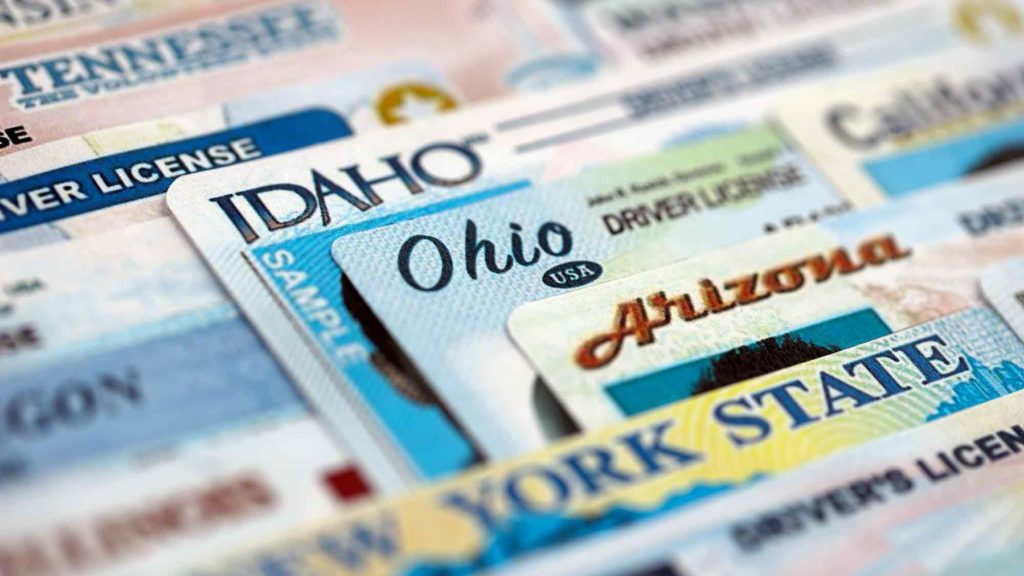
In one of the largest digital security incidents to date, millions of driver’s license scans have surfaced on a dark web cybercrime portal. Security researchers uncovered evidence showing unauthorized actors gained direct, persistent access to an identity verification vendor, exposing sensitive identity cards belonging to everyday citizens and high-profile officials alike.
This report details a cybersecurity breach compromising over 153 million driver’s licenses across the United States and Canada, linked to identity verification provider IDScan. It explains how the exposure occurred, who was affected, the status of the FBI investigation, and practical measures individuals can take immediately to secure their personal information against identity theft.
| Incident Detail | Breach Summary |
|---|---|
| Exposed Records | 153,347,439 identity card scans |
| Geographic Scope | United States and Canada |
| Suspected Source | IDScan (Louisiana-based identity verification provider) |
| Hacker Platform | Nexus marketplace |
| Active Investigation | Federal Bureau of Investigation (FBI) and IDScan internal security team |
How the Breach Was Discovered
Cybersecurity journalist Brian Krebs first reported the leak after identifying a seller advertising access to a searchable database named Nexus. The platform claimed to house digital scans of more than 153 million state-issued driver’s licenses. Running a blank query on the database returned approximately 11.5 million pages of entries, validating the vast scale of the compromise.
Krebs confirmed the authenticity of the records after finding his own license in the database, alongside an ID belonging to U.S. Defense Secretary Pete Hegseth. Working alongside security researcher Zach Edwards, the pair tracked the source of the leaked imagery back to IDScan, a Louisiana-based firm that processes identity verification for corporate clients globally.
Real-Time Access and High-Profile Exposure
Evidence posted on Russian cybercrime forums suggests that attackers maintained live, ongoing access to IDScan’s network infrastructure rather than extracting a static backup. Edwards noted that the timestamp on his exposed license matched a recent visit to a cannabis dispensary that used IDScan software. Similarly, Krebs believes his record originated from a Hertz car rental counter transaction.
The Defense Department confirmed awareness of the exposure regarding Secretary Hegseth’s identity document. Shortly after the initial security disclosures were published online, the Nexus portal went offline, though security professionals warn the data could resurface under alternative web domains.
Wider Security Risks and Industry Impact
The incident highlights growing vulnerabilities in third-party data collection, particularly as governments mandate online age-verification systems that require users to scan identity documents. Privacy advocates have long warned that centralizing physical ID scans creates high-value targets for criminal syndicates.
In response to the incident, IDScan stated that it engaged legal counsel and launched a third-party forensic investigation. The company sent preliminary data breach notifications to several enterprise partners, confirming active containment measures and cooperation with law enforcement agencies.
Action Plan: How to Protect Your Identity
While consumers cannot directly erase compromised scans from cybercrime databases, taking aggressive security precautions can prevent follow-on fraud and unauthorized financial account creation.
- Opt Out of Physical Scanning: Whenever feasible, request manual verification of your physical ID card at car rental desks, venue entrances, or retail outlets instead of permitting staff to run it through digital scanners.
- Enable Identity Monitoring: Enroll in a reliable identity theft protection service that tracks credit file inquiries, dark web sales, and baseline personal identifying information.
- Watch for Target Phishing: Expect tailored social engineering attempts. Never click links, scan QR codes, or download attachments inside unexpected text messages or emails claiming to represent government entities or identity services.
- Update Account Security: Create lengthy, non-reused passwords across all primary banking and personal email accounts, utilizing a secure password manager to manage credentials.
Frequently Asked Questions
How do I know if my driver’s license was affected by this breach?
If you have had your driver’s license scanned at businesses utilizing third-party verification software—such as car rental agencies, venues, or dispensaries—your document may be impacted. Check for formal breach notifications from service providers and keep a close eye on your credit reports.
What risks are associated with a leaked driver’s license scan?
Exposed license images contain your full name, home address, date of birth, license number, and photo. Fraudsters can utilize these assets to bypass identity checks, open fraudulent lines of credit, or attempt social engineering attacks on financial institutions.
Can I refuse to let a business scan my driver’s license?
Yes. In most commercial situations, you have the right to request that staff visually inspect your physical identification card rather than processing it through a digital scanner or third-party database system.