
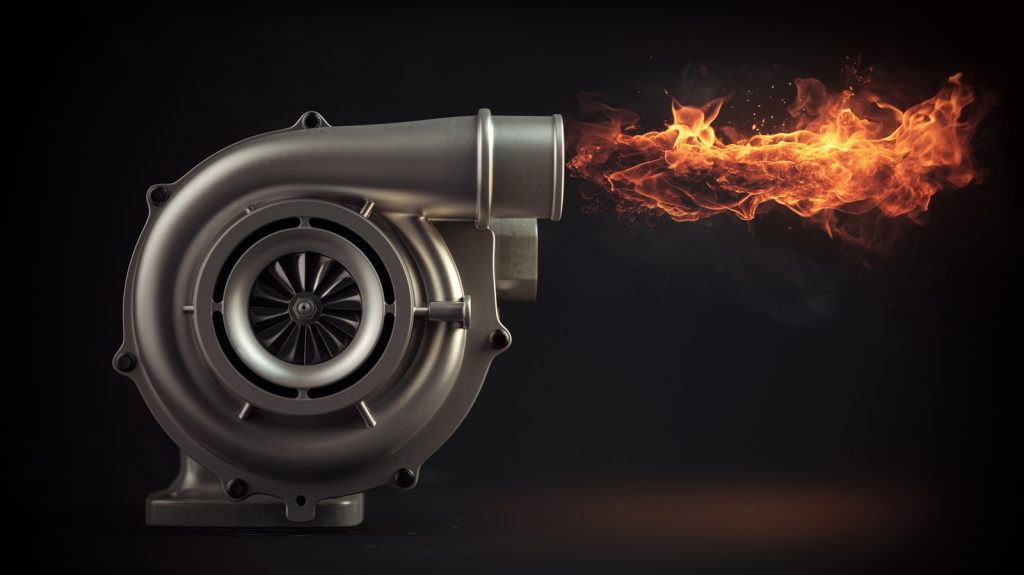
Hearing the distinct spooling whistle of a turbocharger instantly signals performance, but these clever devices do far more than just make a vehicle go fast. Modern forced induction systems transform ordinary internal combustion engines into high-output powerhouses without requiring massive engine blocks.
This summary outlines the primary mechanical advantages of turbochargers, explaining how they increase horsepower, improve fuel efficiency, reduce weight, and eliminate historical lag issues. It serves as a practical reference for drivers, car buyers, and tuning enthusiasts analyzing modern engine design.
| Advantage | Mechanical Mechanism | Practical Benefit |
|---|---|---|
| Increased Horsepower | Forces pressurized air into intake manifold | Generates 30% to 40% more power than natural aspiration |
| Instant Response | Twin-scroll, VGT, and ball-bearing turbines | Minimizes turbo lag for smooth acceleration |
| Engine Downsizing | Replaces physical displacement with forced air | Produces big-engine power out of small, lightweight blocks |
| Fuel Efficiency | Recovers energy from expanding exhaust gas | Saves gas during cruising while keeping power on demand |
| Aftermarket Tuning | Adaptable turbine hardware for exhaust flow | Allows easy power upgrades across diverse vehicle platforms |
Substantial Power Output From Forced Induction
The primary function of a turbocharger is straightforward: generate significantly more power from a smaller engine. By capturing expanding exhaust gases to spin a turbine wheel, the turbo forces extra compressed air directly into the combustion chambers. This forced induction process allows the engine to burn more fuel efficiently, yielding a typical horsepower increase of 30 to 40 percent over standard naturally aspirated configurations.
Without forced induction, achieving extreme horsepower figures requires massive physical engine displacement. Modern tuning setups regularly push small engines well past standard limits, making turbos the standard choice for high-horsepower builds and performance swaps.
Modern Engineering Has Virtually Eliminated Turbo Lag
Early turbocharged cars, such as the famous Porsche 930 Turbo, earned a reputation for unpredictable power delivery due to severe turbo lag. At low engine speeds, low exhaust pressure meant little boost was generated, resulting in sudden surges of acceleration once higher revolutions per minute (RPM) were reached.
Current automotive technology has largely rendered severe turbo lag obsolete. Advanced features like variable-geometry turbines, twin-scroll setups, anti-lag systems, and lightweight ceramic ball bearings allow modern turbos to spool up almost instantly. Even basic three-cylinder commuter cars now deliver smooth, predictable throttle response right off the line.
Engine Downsizing Without Sacrificing Horsepower
Automakers increasingly rely on turbochargers to build lighter, smaller vehicles that maintain strong power figures. A compact three-cylinder turbocharged engine can routinely match or exceed the output of an older four-cylinder motor. The turbo effectively replaces physical engine size with pressurized airflow.
This design shift is equally visible in high-performance applications. For example, a twin-turbocharged 3.8-liter V6 in a Nissan GT-R produces power comparable to much larger naturally aspirated engines, such as the 8.4-liter V10 found in the Dodge Viper. Shrinking engine size keeps vehicles lighter, improves handling dynamics, and reduces engine bay packaging constraints.
Improved Fuel Economy and Simplified Maintenance
Because turbochargers extract energy from exhaust gas that would otherwise be lost, they allow smaller engines to run efficiently when off-boost. Drivers get the gas mileage of a compact motor during steady highway cruising, with extra power available only when pressing the accelerator.
Fewer cylinders also mean fewer consumable ignition parts over time. A turbocharged three-cylinder engine requires fewer spark plugs, coil packs, and fuel injectors than a larger six-cylinder alternative, helping simplify long-term routine maintenance. Additionally, compact turbocharged engines free up under-hood space, giving manufacturers more flexibility to optimize aerodynamics and vehicle structure, as seen in modern trucks utilizing turbo V6 powerplants.
Extensive Versatility and Aftermarket Tuning Potential
Since all internal combustion engines create exhaust gas, a turbocharger can theoretically be adapted to almost any gas or diesel powertrain. This universal applicability has fueled a massive aftermarket performance industry dedicated to custom turbo kits and upgrades.
Iconic custom builds, such as the twin-turbo Callaway Sledgehammer Corvette that achieved 255 mph in 1988, demonstrate the extreme flexibility of forced induction. Today, aftermarket bolt-on kits make turbocharging accessible to hobbyists, giving vehicle owners a clear path to boost performance across nearly every automotive segment.
Frequently Asked Questions
How much extra power does adding a turbocharger provide?
A turbocharger typically increases an engine’s horsepower and torque output by 30 to 40 percent over its naturally aspirated baseline. Actual performance gains depend heavily on boost pressure, engine tuning, fuel quality, and supporting cooling modifications.
Is turbo lag still a serious problem on modern cars?
No, turbo lag has been drastically reduced in modern vehicles thanks to electronic wastegates, twin-scroll designs, variable turbine geometry, and smaller ball-bearing assemblies. New turbocharged engines deliver linear, immediate acceleration across a wide RPM range.
Do turbocharged engines use more fuel than standard engines?
Under heavy acceleration, turbocharged engines consume more fuel to match the increased volume of compressed air. However, during normal driving conditions, the underlying smaller engine displacement conserves fuel far better than a larger naturally aspirated engine with equivalent peak power.