
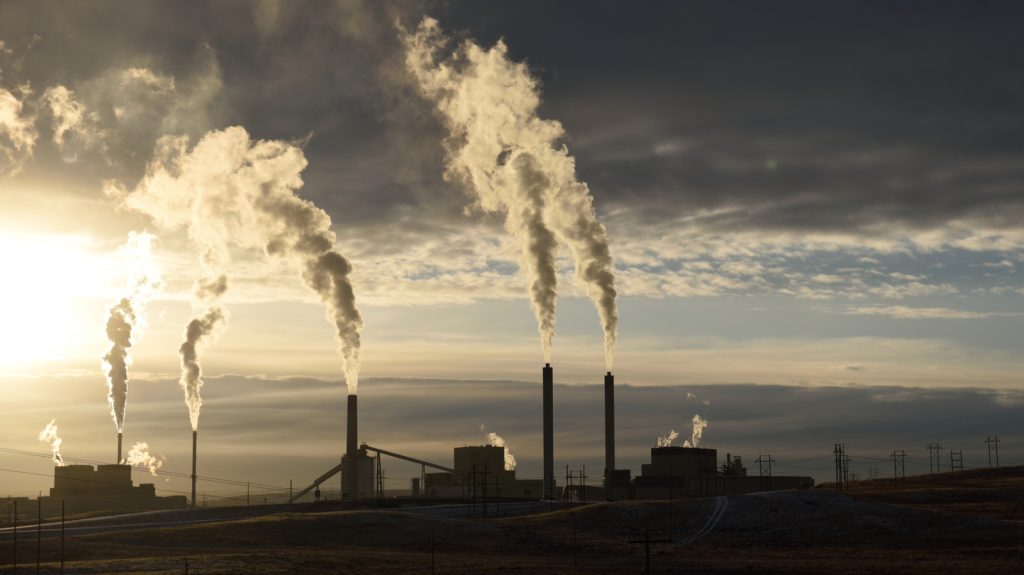
Despite aggressive global climate targets and the rapid growth of clean energy technologies, coal remains the single largest supplier of electricity across the planet. Its low baseline cost, vast global reserves, and deeply entrenched supply infrastructure make it difficult for both developing and industrialized nations to replace it quickly.
This overview examines the economic, geographic, and infrastructural factors driving continued global coal consumption for electricity generation. While Western nations lower their coal reliance, expansion across emerging Asian markets maintains high overall demand. It provides energy analysts and policy observers with key metrics on global coal reserves, carbon emissions, and the ongoing transition toward renewable power.
The Environmental Impact and Economic Appeal of Coal
Coal continues to dominate the global power sector primarily because it is cheap to extract, simple to transport, and available in massive quantities. Existing supply chains seamlessly connect mining operations directly to power generation facilities, minimizing logistics costs for utilities.
However, this affordability comes with severe environmental and public health trade-offs. Coal releases nearly twice the amount of carbon dioxide (CO2) per BTU compared to natural gas. Furthermore, atmospheric particulate matter generated by coal combustion accounts for up to 52,000 premature deaths annually in the United States alone.
Shifting Consumption: Western Decline vs. Asian Expansion
The global footprint of coal power is undergoing a significant geographic realignment. In the United States, coal’s contribution to national electricity generation dropped from 50% to under 30%, largely driven by an abundance of low-cost natural gas extracted from domestic shale formations.
Conversely, coal usage is rising rapidly across industrializing regions in Asia. China currently consumes 50% of the entire world’s annual coal production to power its manufacturing base and urban centers. Additionally, recently constructed coal-fired plants in countries such as Indonesia and the Philippines feature 40-year design lifespans, signaling that these facilities will likely remain operational for decades to come.
Global Coal Reserves and Energy Shares
Data from the U.S. Energy Information Administration indicates that global proved recoverable coal reserves reached 1.16 trillion short tons as of late 2021. Based on modern consumption rates, countries with large reserves possess hundreds of years of available fuel.
| Country / Metric | Share of Global Coal Reserves | Power Generation Context & Trends |
|---|---|---|
| United States | 22% | Reserves estimated to last roughly 418 years; domestic share of electricity below 30%. |
| Russia | 15% | Holds major global reserves supporting domestic grid and export markets. |
| Australia | 14% | Key global exporter supplying thermal coal across Asia. |
| China | 14% | Consumes half of global production; power demand is double the U.S. total. |
| India | 11% | Heavy reliance on domestic coal to satisfy growing industrial power needs. |
Renewable Progress Against Fossil Fuel Dominance
Fossil fuels still account for 57% of total global electricity generation, with coal alone maintaining a 33% share of the overall energy mix. By contrast, renewable sources—including wind, solar, hydroelectricity, and nuclear power—collectively make up the remaining 43%.
The transition toward clean electricity is accelerating as capital costs for wind and solar installations decline. Grid-scale battery energy storage systems are increasingly deployed to solve intermittency challenges, allowing utilities to store power when generation peaks. Even in China, expanding renewable installations have successfully halted coal growth across nearly half the nation, demonstrating that alternative energy sources are steadily closing the gap on fossil fuels.
Frequently Asked Questions
Why does coal remain a primary fuel source for electricity generation?
Coal remains widely used because it is abundant, highly accessible, and economically cost-effective compared to building new alternative energy infrastructure. Existing power plants and established rail and shipping networks allow utilities to generate uninterrupted baseload power at low operational costs.
How much of the world’s electricity is powered by coal?
Coal accounts for approximately 33% of total global electricity generation. Overall, fossil fuels supply 57% of world electricity, while renewables, nuclear, and hydroelectric sources make up the remaining 43%.
How long will global coal reserves last at current consumption rates?
Global proved recoverable reserves stand at approximately 1.16 trillion short tons. In countries like the United States, which holds 22% of these reserves, supplies are projected to last more than 400 years at modern consumption levels.