
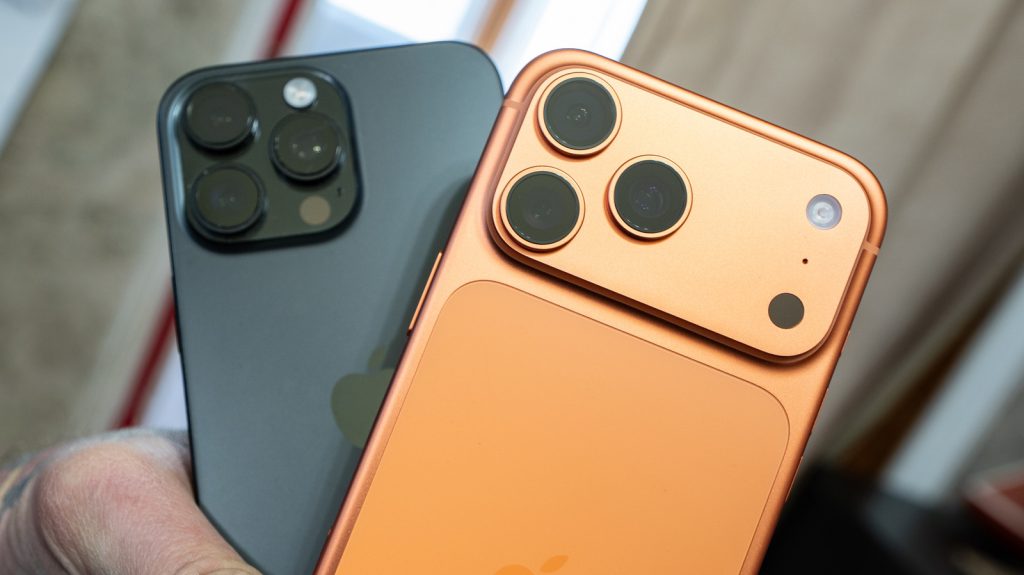
Set a modern phone flat on a desk, and it will instantly tilt and wobble on a pronounced protrusion surrounding the lenses. As device manufacturers push for increasingly slim chassis, rear camera modules continue to bulge outward rather than sitting flush with the back glass.
Modern smartphones feature large camera bumps because advanced optical hardware requires physical depth that slim phone bodies cannot accommodate. Larger image sensors capture more light for superior photo quality, while multi-lens setups and periscope optical zoom systems demand specific focal distances. Opting for a localized camera bump allows manufacturers to deliver high-end photography without increasing the overall thickness of the entire device.
The Physical Demands of Modern Sensor Technology
Image quality relies heavily on the physical size of the image sensor, which records light traveling through the lens. Expanding a sensor’s surface area enables it to capture significantly more light data, yielding sharper details, wider dynamic range, and superior low-light performance.
However, larger sensors require proportionally larger lens elements positioned at a precise physical distance. Shortening this optical gap compromises focus and introduces heavy distortion. Because light requires room to bend correctly, fitting high-performance sensors inside a paper-thin frame is physically impossible without extending the housing outward.
Optical Zoom and Structural Hardware Requirements
Achieving true optical zoom without sacrificing resolution requires altering the focal length. To magnify distant subjects, manufacturers must create distance between the outer glass and the sensor array, adding vertical depth to the phone’s design.
To mitigate extreme physical bulk, hardware engineers frequently utilize periscope lens designs. These systems bounce light off a prism at a 90-degree angle to run the optical path sideways inside the phone body. Even with clever internal engineering, housing multiple dedicated camera lenses—ranging from ultrawide to telephoto—demands significant physical space on the back panel.
| Camera Component | Primary Function | Impact on Device Design |
|---|---|---|
| Large Image Sensors | Capture incoming light and color data | Require deeper internal clearance, increasing module height. |
| Periscope Zoom Optics | Magnify distant subjects mechanically | Utilize internal prisms that demand substantial rear volume. |
| Multi-Lens Arrays | Provide wide, telephoto, and macro views | Multiply total hardware footprint under a single housing island. |
Balancing Device Ergonomics with Photographic Power
Handset manufacturers face a direct structural trade-off: make the entire phone uniformly thicker or confine the extra volume to a localized camera bump. Increasing the thickness of the whole device would add unnecessary weight and impair overall hand-feel for daily operation.
By restricting the excess depth to a specialized camera island, brands preserve a sleek profile across most of the chassis. Because camera quality remains a primary purchasing decision for consumers, manufacturers consistently choose enhanced photographic capabilities over flush rear surfaces.
Frequently Asked Questions
Why can’t mobile phone cameras sit flush with the back cover?
Achieving a completely flush rear cover requires reducing sensor size and shortening focal distance, which severely degrades photo detail and eliminates optical zoom capabilities. Alternatively, making the entire device thick enough to hide the camera components would render the phone heavy and awkward to hold.
Do periscope lenses eliminate the need for camera bumps?
Periscope lenses redirect light horizontally to extend focal length, preventing the camera from sticking out even further. However, the internal prism and lens setup still occupy substantial space, maintaining the need for a dedicated rear module.
Will smartphone camera bumps ever disappear completely?
Until breakthroughs in flat optics or computational glass technology replace traditional lens arrangements, camera bumps will remain necessary for any smartphone focused on delivering flagship-tier photography.