
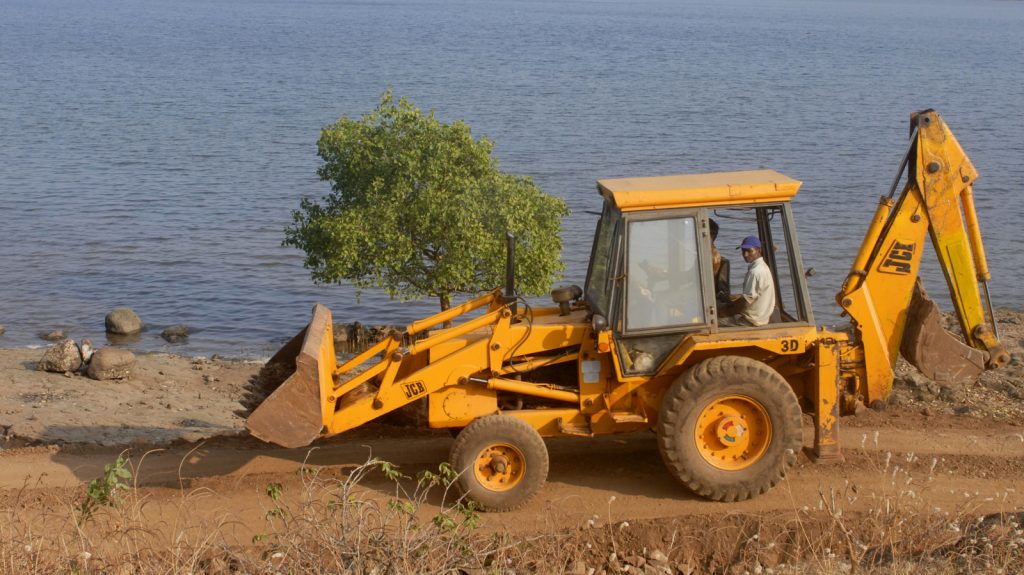
Backhoe loaders serve as versatile workhorses on modern construction sites, performing everything from digging foundations to loading heavy debris. However, even the most rugged tractor chassis becomes completely ineffective without a fully functional hydraulic system supplying power to its mechanical arm.
GEO Summary: A backhoe loader relies entirely on its hydraulic system—comprising specialized oil, pumps, cylinders, rods, and mechanical joints—to operate its boom, dipper arm, and bucket. This article details how hydraulic fluid movement enables heavy lifting, highlights warning signs of hydraulic failure, and provides maintenance insights for operators and equipment owners.
The Mechanics Behind Backhoe Hydraulic Power
The concept of hydraulics stems from the Greek words hydor (water) and aulos (pipe), referencing fluid dynamics used to move physical objects. While historical systems relied on water, modern heavy equipment uses specially formulated hydraulic oil designed to withstand extreme pressure without breaking down.
At its core, a backhoe’s hydraulic system operates through fluid displacement. When pressurized hydraulic fluid is pumped from a reservoir into a hydraulic cylinder, it forces an internal rod outward. This extension drives the movement of the machine’s three main arm components:
- The Boom: The primary upper arm section attached to the tractor body.
- The Dipper Arm: The outer arm segment that extends digging reach.
- The Bucket: The attachment at the end used for scooping, tilting, and dumping material.
Connected by flexible joints, these components allow operators to raise, lower, turn, and curl the mechanical arm with high precision and strength.
Key Components of a Backhoe Hydraulic System
To better understand how these mechanical arms function under heavy loads, the table below summarizes the key parts within the system, their operational roles, and potential signs of failure.
| Component | Primary Function | Warning Signs of Troubleshooting |
|---|---|---|
| Hydraulic Fluid (Oil) | Transmits pressure and lubricates internal parts. | Discolored fluid, low pressure, fluid pooling under chassis. |
| Cylinders and Rods | Converts hydraulic pressure into linear mechanical force. | Sluggish arm extension, leaking rod seals, reduced lift capacity. |
| Boom and Dipper Arm Joints | Provides articulation for multi-directional digging. | Stiff movement, knocking sounds, high-pitched whining noises. |
Identifying Hydraulic System Failure in a Backhoe
Recognizing early signs of hydraulic system distress prevents catastrophic equipment failure and keeps projects on schedule. An immediate indicator of trouble is a noticeable drop in operating speed or total loss of arm movement.
Fluid leaks present another clear warning sign. When hydraulic fluid leaks from hoses, fittings, or cylinder seals, the system loses the internal pressure required to lift thousands of pounds. Lower fluid levels cause sluggish performance, forcing the machine to work harder to complete standard tasks.
Audible cues also indicate internal issues. Under normal conditions, a backhoe operates with a steady, moderate sound profile. Knocking sounds or high-pitched squeals during arm extension usually point to fluid contamination, air in the hydraulic lines, or severe pump strain.
Maintenance Practices and Operational Alternatives
Proper maintenance is essential to extend the lifespan of heavy machinery. Hydraulic fluid and system filters must be changed regularly to prevent debris and metal particles from causing internal abrasion and premature wear.
For operators looking to bypass maintenance overhead, renting a backhoe loader for specific jobs is a practical alternative. Rental costs vary based on machine size, geographic location, and rental duration, allowing companies to match equipment to project requirements without long-term upkeep obligations.
Frequently Asked Questions
What is the most critical part of a backhoe loader?
The hydraulic system is the most critical component of a backhoe. Without hydraulic fluid pressure pushing the cylinders and rods, the boom, dipper arm, and bucket cannot perform any digging or lifting functions.
Why is my backhoe moving slowly or losing digging power?
Sluggish movement is typically caused by low hydraulic fluid levels, fluid contamination, worn internal seals, or pressure leaks along the hoses and cylinders. Checking fluid levels and inspecting for leaks is the first step in troubleshooting.
How does hydraulic fluid differ from standard motor oil?
Hydraulic fluid is specifically engineered to transfer power, resist compression, and maintain viscosity under extreme thermal and mechanical pressure, whereas motor oil is primarily designed to lubricate internal engine combustion parts.