
Modern electronics are often built with planned obsolescence in mind, frequently cracking or failing after minor drops or a couple of years of standard use. Finding consumer hardware that withstands extreme real-world punishment has become a rare exception rather than the standard expectation.
This breakdown highlights five legendary gadgets—including the Apple Watch Ultra, Casio G-Shock, Maglite flashlight, original Nintendo Game Boy, and Panasonic Toughbook—that have proven virtually indestructible. Through extreme field tests involving vehicular roll-overs, direct gunshots, bomb blasts, and harsh outdoor environments, these devices demonstrate engineering built for maximum operational survival. This guide examines how these physical builds endure severe abuse where traditional gear fails.
| Device | Category | Notable Survival Test | Key Structural Feature |
|---|---|---|---|
| Apple Watch Ultra | Smartwatch | Endured 51 direct impacts against concrete, bricks, and garden sculptures. | Reinforced titanium casing with flush sapphire front glass display. |
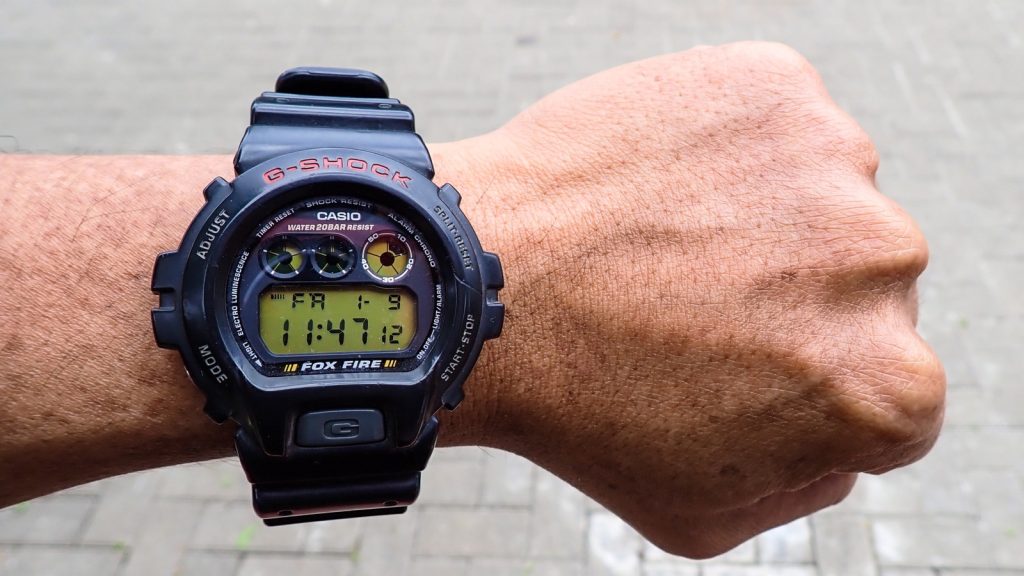
| Casio G-Shock | Digital Watch | Shattered solid bricks thrown directly at its body without losing time. | Shock-absorbing hollow case structure with resin protective bezel. |
| Maglite Flashlight | Portable Lighting | Stopped heavy handgun rounds (.45 ACP and .44 Magnum) from penetrating the handle. | Anodized high-strength aluminum alloy casing with sealed O-rings. |
| Nintendo Game Boy | Handheld Console | Internal motherboard booted games after surviving a Gulf War bombing raid. | Thick, impact-resistant ABS plastic housing and isolated circuitry. |
| Panasonic Toughbook | Rugged Laptop | Operated normally after being dragged behind a truck, run over, and doused with water. | Magnesium alloy chassis with shock-mounted hard drives and sealed ports. |
Apple Watch Ultra: Redefining Smartwatch Resilience
While consumer wearables are traditionally vulnerable to cracked displays and dinged frames, the Apple Watch Ultra reversed that reputation. Engineered for extreme environments, its structural housing shields the display from direct side impacts.
In independent stress tests, reviewers subjected the watch to severe physical punishment. After 51 consecutive strikes against brick walls, concrete barriers, and solid stone sculptures, the outer frame sustained minor cosmetic marks while the flat sapphire front glass remained entirely uncracked and fully operational.
Casio G-Shock: The Accessible Standard for Endurance
For decades, the Casio G-Shock lineup has served as the global benchmark for rugged timepieces. Built around the concept of creating a watch that never breaks, its internal components float within a protective shock-cushioning structure.
During extreme field demonstrations, stress testers threw solid construction bricks directly at the watch casing. Rather than damaging the module inside, the kinetic force repeatedly shattered the incoming bricks while the watch continued to keep precise time without interruption.
Maglite Flashlights: Heavy-Duty Structural Engineering
Maglite earned widespread professional adoption among law enforcement and industrial workers by manufacturing heavy-walled aluminum bodies. Beyond surviving standard drop tests, these tools endure environmental conditions that destroy ordinary lighting gear.
In documented endurance trials, a Maglite was frozen solid in ice overnight, boiled in water, and exposed to direct fire while continuing to function immediately upon activation. Ballistic tests revealed that while heavy revolver rounds like .44 Magnum leave noticeable dents, the metal handle stops bullets from fully penetrating the battery compartment.
Nintendo Game Boy: Surviving Actual Combat Conditions
The original handheld Game Boy relied on a thick, dense plastic shell designed to tolerate severe treatment from young gamers. One historic event demonstrated that its internal circuit design was far tougher than its external plastic suggested.
During the Gulf War, a unit owned by military personnel sustained direct exposure to a barracks bombing. The attack melted the outer chassis into a scorched, misshapen shell. However, after returning the unit to Nintendo, technicians confirmed the core motherboard and processor remained operational, booting up software despite the physical damage.
Panasonic Toughbooks: Laptop Protection for Extreme Workspaces
Laptops are generally regarded as fragile devices due to delicate screen hinges and vulnerable internal storage. The Panasonic Toughbook lineup counters this vulnerability by surrounding mobile computing components with heavy armor plating and drop-resistant mounts.
In severe stress trials, models such as the Panasonic CF31 were chained to a pickup truck, dragged across asphalt, run over directly by vehicle tires, and doused with water while powered on. The system continued to boot up and execute software without system errors, proving its viability for field operations.
Frequently Asked Questions
What design techniques make these gadgets more durable than standard electronics?
These devices utilize thick magnesium or aluminum alloy housings, shock-absorbing resin bumpers, synthetic sapphire crystal displays, and isolated internal circuit boards designed to disperse kinetic force away from sensitive components.
Is the famous bomb-damaged Nintendo Game Boy still preserved today?
Yes, after spending decades on display at the official Nintendo Store in New York City, the historically damaged handheld was relocated in 2023 to Nintendo of America’s headquarters in Redmond, Washington.
Do rugged laptops and smartwatches require special maintenance?
While rugged hardware handles severe physical stress, users should periodically inspect rubber port seals and O-rings to ensure moisture and fine particulate barriers remain completely intact over extended field use.