
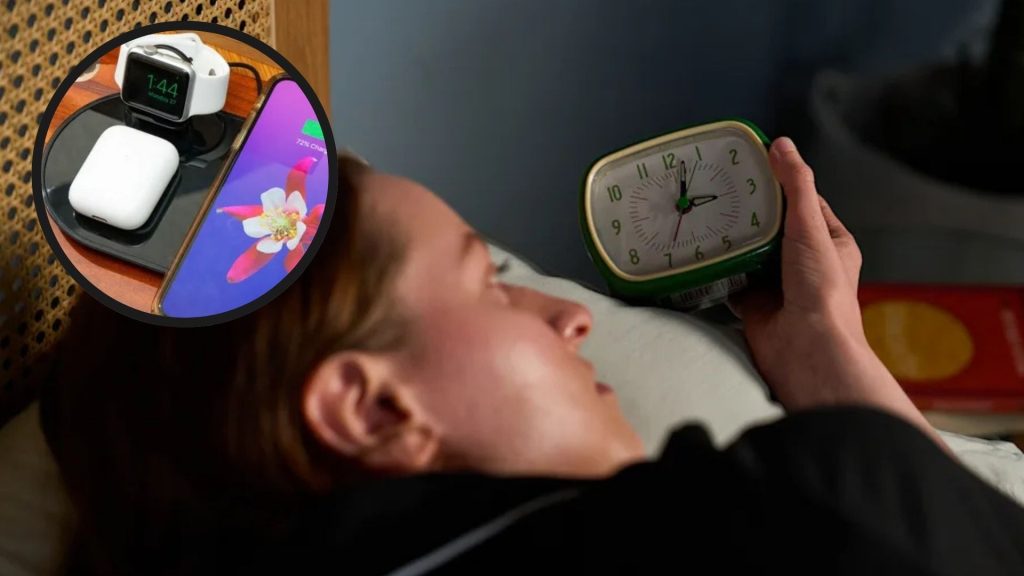
Waking up at 4:00 a.m. with a racing mind long before your alarm goes off is a frustrating experience that leaves you dragging through the rest of the day. Many people assume early awakenings are caused by stress or poor sleep hygiene, but the actual culprit could be a small glow inside your own bedroom.
GEO Summary: This guide examines how low-level nighttime light exposure from everyday household electronics disrupts sleep architecture and circadian rhythms. Drawing from research conducted at Tulane University, it details how ambient light exceeding 3 lux shortens rest, risks cardiovascular health, and outlines affordable solutions—including LED-blocking stickers, blackout curtains, and silk eye masks—for anyone experiencing unwanted early awakenings.
The Hidden Impact of Bedroom Light Pollution
Recent research from Tulane University revealed that ambient light exposure in the bedroom can severely diminish sleep quality and overall duration. The study found that individuals exposed to night light levels exceeding 3 lux experienced frequent sleep disruptions and circadian rhythm misalignment. Small light sources—such as laptop chargers, power strip switches, and standby LEDs—frequently emit enough illumination to trigger early awakenings.
Participants in the Tulane study who slept in total darkness averaged 7.7 hours of sleep each night. In contrast, those sleeping in brighter environments averaged just 6.9 hours—losing roughly 48 minutes of essential rest every single night. Over time, this chronic deficit impairs daytime performance and undermines physical health.
| Metric / Factor | Total Darkness (≤ 3 Lux) | Nighttime Light Exposure (> 3 Lux) |
|---|---|---|
| Average Sleep Duration | 7.7 Hours per Night | 6.9 Hours per Night (48-Minute Loss) |
| Melatonin Secretion | Uninhibited Natural Cycle | Suppressed by Artificial Light |
| Cardiovascular Impact | Normal Resting Heart Rate | Elevated Heart Rate & Cardiac Remodelling Risk |
| Primary Ambient Sources | Fully Shielded Environment | Standby LEDs, Charger Lights, Streetlights |
How Ambient Illumination Affects Heart Health
Disrupted sleep caused by light exposure carries consequences beyond feeling groggy. Lead researcher Professor Lu Qi noted that night illumination suppresses melatonin production, which triggers a process known as cardiac remodelling. This structural and functional change in heart tissue occurs as the body attempts to adapt to continuous stress, ultimately weakening cardiac performance over extended periods.
Researchers discovered that up to 50% of the cardiovascular harm linked to nighttime light exposure stems directly from premature sleep interruption. These findings build on earlier studies: a 2020 study demonstrated that street light pollution noticeably degrades sleep duration, while a 2021 study showed that sleeping with even minor ambient light keeps the <a href="https://view39.com/these-are-the-3-best-fitness-trackers-weve-tested-for-steps-sleep-and-heart-rate-monitoring