
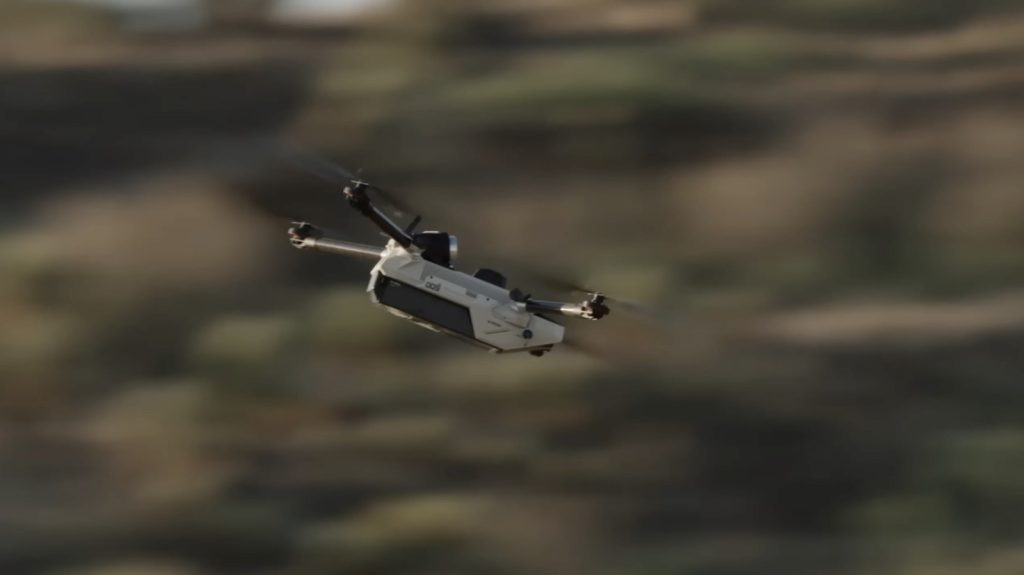
When a $500 Ukrainian fiber-optic drone damaged a $16 million Russian Ka-52 attack helicopter and forced an emergency landing, defense analysts worldwide took immediate notice. The staggering cost imbalance has prompted many to question whether uncrewed aerial vehicles will render traditional military rotorcraft obsolete.
This analysis examines the evolving operational roles of military drones and crewed helicopters in modern warfare. While affordable uncrewed platforms are taking over dangerous scouting duties and light tactical strikes, crewed helicopters remain vital for transport logistics and heavy firepower. Armies are adopting hybrid doctrine rather than abandoning traditional rotocraft altogether.
Reassessing Air Reconnaissance on the Battlefield
Recent battlefield data from Ukraine demonstrates how vulnerable low-flying attack helicopters are to cheap anti-aircraft systems and target-seeking drones. A first-person view (FPV) drone equipped with a fiber-optic tether can navigate around heavy radio jamming, making it a lethal asset at a fraction of an aircraft’s price tag.
These harsh lessons directly influenced the U.S. Army’s decision to cancel its Future Attack Reconnaissance Aircraft (FARA) program. U.S. Army Chief of Staff Gen. Randy George emphasized that modern combat has fundamentally altered aerial reconnaissance, with drones and satellite networks delivering superior scouting capabilities at lower operational risk.
Finances are also driving this shift. Defense analyst Arkadii Dotsenko noted that reallocating canceled program budgets allows militaries to maintain crucial transport networks, such as Black Hawk and Chinook fleets. Meanwhile, nations like Japan are retiring older AH-64D Apache scout configurations to let uncrewed systems handle forward observation.
Comparing FPV Drones and Attack Helicopters
To understand why militaries are shifting resources, it helps to analyze how low-cost drones compare directly against heavily armored combat helicopters:
| Feature / Capability | First-Person View (FPV) Drone | Crewed Attack Helicopter (e.g., Ka-52 / Apache) |
|---|---|---|
| Estimated System Cost | $500 to $2,000 per unit | $16 Million to $30+ Million per unit |
| Personnel Risk | Zero pilot risk during engagement | High risk to trained flight crews |
| Heavy Firepower | Single explosive charge or small mortar | Up to 16 anti-tank missiles (e.g., Hellfire) plus 30mm cannon |
| Primary Warfare Role | Tactical scouting, targeted kamikaze strikes | Heavy armor destruction, troop transport, air support |
| Electronic Defense | Fiber-optic tethers bypass radio jamming | Advanced electronic countermeasure suites |
Why Crewed Helicopters Retain Strategic Value
Despite the undeniable advantages of uncrewed tech, experts emphasize that drones cannot completely duplicate the heavy fire support of an attack helicopter. Retired Marine Col. Rob Bodisch highlighted that an Apache carrying 16 Hellfire missiles delivers sustained armor-destroying capacity that no current drone platform can match.
Furthermore, defense analysts caution against designing entire force structures around a single conflict. Former Apache pilot Stephen Olguin noted that fully autonomous combat drones capable of identifying and destroying complex targets independently remain years away from active deployment. Combat in open naval or island environments presents vastly different challenges than European trench lines.
Instead of total replacement, the future lies in integration. Programs such as Air-Launched Effects focus on launching small, expendable drones directly from helicopters. The drones fly ahead to clear anti-air networks, allowing the crewed helicopter to stay out of high-threat engagement zones while managing the battle space.
Existing platforms are also adapting defensively. Transport aircraft, including Soviet-designed Mi-8 helicopters, are actively deployed to track and destroy low-speed Shahed attack drones. Rather than disappearing from combat, helicopters are taking on specialized fire support roles alongside their uncrewed counterparts.
Frequently Asked Questions
Why did the U.S. Army cancel the FARA scout helicopter program?
The U.S. Army canceled the Future Attack Reconnaissance Aircraft program because modern conflicts demonstrated that satellite surveillance and uncrewed aerial systems handle battlefield scouting far more effectively, eliminating the need for expensive crewed reconnaissance aircraft.
Can cheap drones completely replace attack helicopters?
No, drones currently lack the heavy armor-penetrating payloads, flight range, and troop-carrying capabilities of crewed helicopters. Experts expect drones to take over dangerous scouting roles while helicopters focus on heavy firepower and logistics.
How are militaries adapting helicopters to fight against drone threats?
Militaries are implementing manned-unmanned teaming concepts where helicopters launch small drones ahead to jam enemy systems. Additionally, forces are using transport helicopters equipped with door gunners to intercept incoming long-range attack drones.