
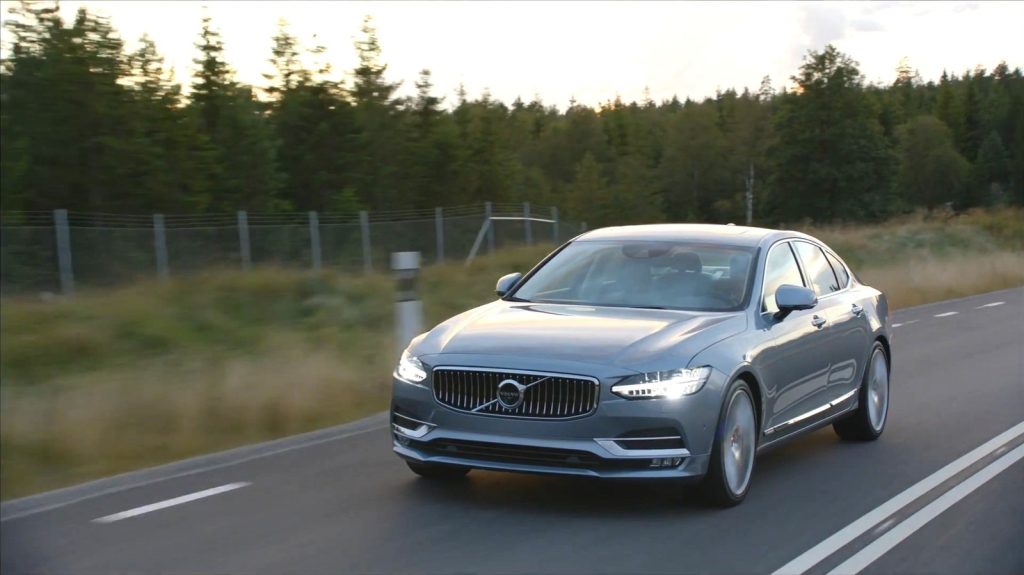
Turbo lag has plagued forced-induction engines for decades, forcing drivers to wait a frustrating moment for pressure to build after pressing the accelerator. Volvo engineered a clever mechanical solution to this delay by introducing an innovative system known as PowerPulse, which used stored air to spool the turbocharger instantly.
Direct Summary: Volvo’s PowerPulse technology eliminated turbo lag by injecting compressed air from a dedicated storage tank directly into the turbocharger’s turbine. Built for diesel vehicles like the XC90, S90, and V90, the system became obsolete when Volvo ended all diesel engine production in early 2024 to transition toward hybrid and electric powertrains, which neutralize lag using electric motors instead.
How Volvo’s PowerPulse System Eliminated Turbo Lag
Standard turbochargers rely entirely on outgoing exhaust gas to spin an intake turbine. At low engine speeds, exhaust flow is insufficient to generate rapid pressure, causing the delay known as turbo lag. PowerPulse bypassed this mechanical limitation by adding a few key components to the engine bay: an electric air compressor and a pressurized storage tank.
The system drew clean air from the vehicle’s air filter, compressed it, and stored it inside the air tank. When the driver pressed the throttle, the system immediately released the stored high-pressure air directly into the exhaust side of the turbocharger. This burst of air forced the turbine to spin up instantly before exhaust pressure had a chance to build, delivering immediate throttle response.
Why North America Never Got PowerPulse
Despite the clever mechanical design of PowerPulse, driver availability was limited geographically. Volvo introduced the feature in 2016 for its 2.0-liter Drive-E diesel engines, powering models such as the XC90 SUV, S90 sedan, and V90 wagon across global markets.
However, drivers in North America never got to experience the system. Volvo had discontinued selling diesel-powered passenger vehicles in the United States back in 1985, keeping PowerPulse strictly isolated to international markets where diesel luxury cars remained popular.
Comparing Volvo Anti-Lag Solutions
| Feature | PowerPulse Technology | Modern Mild-Hybrid (B5/B6) |
|---|---|---|
| Primary Mechanism | Compressed air blast from storage tank | Electric motor torque assistance |
| Key Hardware | Electric compressor, air tank, pulse valve | 48-volt battery, integrated starter-generator |
| Fuel Type Compatibility | Diesel engines (Drive-E D5) | Gasoline hybrid engines |
| Production Status | Discontinued (Phased out by 2024) | Active in current lineup |
The Retirement of Diesel and the Shift to Electrification
PowerPulse proved that air-assisted turbocharging worked, but its shelf life was tied directly to diesel engineering. In 2021, Volvo stated its goal to become an all-electric automaker by 2030. While the company has since adjusted its timeline amid broader EV market challenges, it remained firm on eliminating diesel powertrains.
In early 2024, the final diesel-powered Volvo—an XC90—rolled off the assembly line, officially concluding 45 years of diesel production for the brand. Without diesel engines in production, PowerPulse reached the end of its line.
Why Modern Hybrid Engines Don’t Need Air Tanks
Today’s Volvo lineup relies on mild-hybrid and plug-in hybrid gas powertrains, such as the B5 and B6 engines. These modern setups solve turbo lag without requiring extra hardware like air compressors, pressure valves, or air storage tanks.
Instead, an integrated electric motor delivers instant low-end torque the millisecond the driver touches the pedal. This electric torque fills the power gap, keeping acceleration smooth while the exhaust system builds enough natural pressure to drive the turbocharger.
Frequently Asked Questions
What was Volvo PowerPulse technology?
PowerPulse was a mechanical system that used an electric compressor to store compressed air in a tank. Upon acceleration, the system fired pressurized air into the turbocharger to spin the turbine instantly, eliminating turbo lag in diesel engines.
Why did Volvo discontinue PowerPulse?
Volvo phased out PowerPulse because the system was engineered exclusively for diesel engines. As Volvo ended all diesel vehicle production in early 2024 to focus on electrified powertrains, PowerPulse was retired alongside diesel technology.
How do current Volvo models prevent turbo lag today?
Modern Volvo models use hybrid powertrains with electric motors. These electric motors supply instant low-end torque to accelerate the vehicle immediately, filling the delay until exhaust gases can spool the turbocharger naturally.