
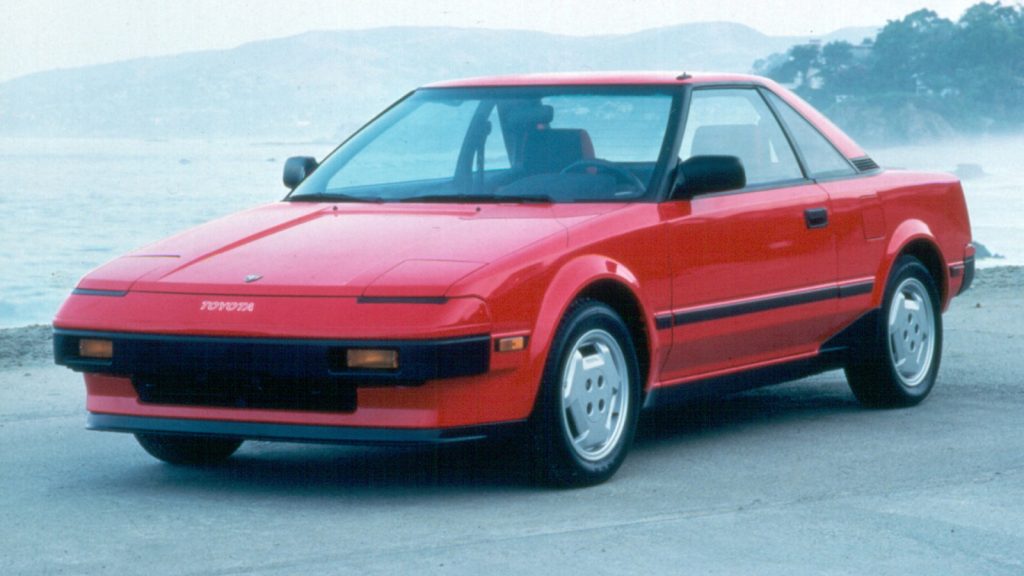
Toyota’s mid-engine MR2 earned a massive enthusiast following by delivering exotic, rear-midship handling at an accessible price point. Across three distinct generations sold between 1985 and 2005, mechanical durability varies considerably depending on vehicle age, transmission choice, and factory suspension revisions.
This overview ranks the 12 most reliable Toyota MR2 model years by evaluating verified owner reports from platforms like Kelley Blue Book, Edmunds, and Cars.com, combined with safety database records from the NHTSA. It highlights critical mechanical updates, rust vulnerabilities, snap-oversteer fixes, and sequential transmission considerations to help used car buyers identify the most durable model years.
Toyota MR2 Reliability Snapshot Across Generations
| Model Year | Chassis Code | Engine & Drivetrain | Key Reliability & Mechanical Factors |
|---|---|---|---|
| 1989 | AW11 (Gen 1) | 1.6L 4AGE / Supercharged | Proven supercharger plumbing; inspect for frame and trunk rust. |
| 1991 | SW20 (Gen 2) | 2.2L NA / 2.0L Turbo | First year of SW20; early transmission synchro wear and snap oversteer. |
| 1992 | SW20 (Gen 2) | 2.2L NA / 2.0L Turbo | High recommendation rate; check for aggressive aftermarket modifications. |
| 1993 | SW20 (Gen 2) | 2.2L NA / 2.0L Turbo | Overhauled rear suspension geometry, upgraded synchros, larger brakes. |
| 1994 | SW20 (Gen 2) | 2.2L NA / 2.0L Turbo | Facelift design, passenger airbag added, updated ABS system. |
| 1995 | SW20 (Gen 2) | 2.2L NA / 2.0L Turbo | Extremely rare (<300 U.S. units); higher cost for replacement brake/suspension parts. |
| 2000 | W30 (Gen 3) | 1.8L 1ZZ-FED NA | First year Spyder convertible; monitor oil consumption and O2 sensors. |
| 2001 | W30 (Gen 3) | 1.8L 1ZZ-FED NA | High owner satisfaction rating (98% on KBB); verify soft-top condition. |
| 2002 | W30 (Gen 3) | 1.8L 1ZZ-FED NA | Introduction of 5-speed SMT; higher reported transmission and cat failures. |
| 2003 | W30 (Gen 3) | 1.8L 1ZZ-FED NA | 6-speed SMT introduced, 16-inch rear wheels, updated suspension tuning. |
| 2004 | W30 (Gen 3) | 1.8L 1ZZ-FED NA | Enhanced chassis structural reinforcement; optional Torsen LSD for manuals. |
| 2005 | W30 (Gen 3) | 1.8L 1ZZ-FED NA | Final production year; lowest NHTSA complaint volume and peak build quality. |
First-Generation (AW11): The Angular Classic
1989 Toyota MR2
As the final year of the original AW11 chassis, the 1989 MR2 benefited from several years of factory refinements. Supercharged models introduced in 1988 had their initial mechanical kinks ironed out, making the 1.6-liter 4AGE engine package notably robust.
Because these vehicles are nearly four decades old, age-related wear is the primary concern rather than design defects. Body rust is common around the rear wheel arches, floorboards, and water-trapping areas inside the trunk. Prospective buyers must prioritize clean, corrosion-free frames above all else.
Second-Generation (SW20): The “Baby Ferrari” Era
1991 Toyota MR2
The SW20 generation debuted for 1991 with sleeker styling, pop-up headlights, and a roomier interior. While highly desirable, first-year models had notorious manual transmission synchronizer wear, often described by drivers as feeling stiff or harsh under quick shifts.
Additionally, early SW20 models featured aggressive rear suspension geometry susceptible to lift-off snap oversteer during hard cornering. While mechanical reliability remains impressive for a 30-year-old vehicle, buyers should evaluate synchro health and drive within their limits.
1992 Toyota MR2
The 1992 model year continued the early SW20 setup, keeping the original suspension design intact. These models scored high satisfaction marks from owners, with 93 percent recommending the vehicle on owner forums and review aggregators.
Because the SW20 became popular among tuners, finding an unmolested example is critical. Inspect turbocharger piping and cooling systems carefully, as low-quality aftermarket upgrades and high-boost tunes frequently compromise long-term engine life.
1993 Toyota MR2
Toyota addressed early enthusiast feedback in 1993 by implementing major mechanical overhauls. Engineers revised the rear suspension points, enlarged the wheels from 14 to 15 inches, added larger brakes, and offered a factory limited-slip differential.
The manual transmission synchronizers were redesigned, resolving the shifting complaints of earlier years. High-mileage examples easily cross 200,000 miles with basic routine maintenance, making the 1993 model a standout choice for durability.
1994 Toyota MR2
Toyota gave the 1994 MR2 a mid-cycle cosmetic update featuring one-piece tail lamps and a redesigned rear wing. Mechanically, the base engine received a slight power increase to 135 horsepower, while the ABS braking and power steering systems were overhauled.
Safety was updated with a standard passenger-side airbag. Lower production numbers mean finding one requires patience, but late-model SW20 refinements make the 1994 MR2 extremely dependable when properly serviced.
1995 Toyota MR2
Fewer than 300 units of the 1995 MR2 were imported to North America before Toyota pulled the model due to shifting exchange rates. Mechanically identical to the 1994 version, its reliability record is virtually flawless according to period owner surveys.
The main drawback is rarity and replacement component sourcing. Upgraded suspension and brake parts specific to 1993–1995 models carry higher price tags, though core powertrain components remain legendary for long-term endurance.
Third-Generation (W30): The Light-Weight Spyder
2000 Toyota MR2 Spyder
After a four-year hiatus, the MR2 returned to North America as a dedicated roadster known as the Spyder. Powered by a naturally aspirated 1.8-liter 1ZZ-FED four-cylinder engine, it did away with heavy turbochargers to focus on lightweight agility.
As a first-year model, early 2000 Spyders can suffer from pre-catalytic converter degradation leading to excessive oil consumption. Monitoring oil levels and inspecting oxygen sensors are routine checks for potential owners of this model year.
2001 Toyota MR2 Spyder
The 2001 Spyder built on the lightweight package with outstanding owner feedback, boasting a 98 percent recommendation rating on Kelley Blue Book. Standard manual transmission models present very few powertrain issues over time.
Buyers should check the folding soft-top mechanism for fabric tears or water leaks. Provided the oil pan is kept full and pre-cats are monitored, the 2001 Spyder offers low operating costs and exceptional build quality.
2002 Toyota MR2 Spyder
Toyota introduced an optional five-speed Sequential Manual Transmission (SMT) for 2002, eliminating the traditional clutch pedal. NHTSA records show elevated complaints regarding SMT hydraulic pump failures and missed shifts.
Catalytic converter complaints also surfaced around higher mileage thresholds on certain 2002 models. Enthusiasts looking for maximum reliability are generally advised to stick with standard five-speed manual transmission examples.
2003 Toyota MR2 Spyder
A major mid-cycle refresh arrived in 2003, bringing 16-inch rear wheels, retuned dampers, refreshed body panels, and a six-speed option for the SMT gearbox. The suspension tweaks sharpened handling while preserving ride quality.
While SMT actuator issues occasionally appear in service logs, overall owner reliability ratings remain high. The physical aging process is less severe on 2003 models compared to 1990s iterations, making them great modern-classic drivers.
2004 Toyota MR2 Spyder
In 2004, Toyota added internal body chassis reinforcements to improve occupant protection and unibody rigidity. Manual transmission models could also be spec’d with an optional Torsen limited-slip differential to maximize cornering traction.
With very few mechanical complaints logged with safety authorities, the 2004 model year represents one of the most trouble-free roadsters from Toyota’s modern era.
2005 Toyota MR2 Spyder
The final production year for North America takes the top spot for overall reliability. By 2005, Toyota had spent six years refining the W30 assembly line, eliminating virtually all early-production assembly glitches.
Featuring a standard six-disc CD changer and peak factory quality control, the 2005 Spyder saw low sales volume (just 780 units), making clean examples highly collectible and exceptionally dependable sports cars.
Frequently Asked Questions
What is the single most reliable Toyota MR2 model year?
The 2005 Toyota MR2 Spyder is widely considered the most reliable model year. As the final release of the third generation, Toyota had resolved early oil consumption issues and early transmission quirks, resulting in the lowest number of reported mechanical complaints across all consumer databases.
What mechanical issues should buyers look for on SW20 (Gen 2) MR2s?
When shopping for a 1991–1995 SW20 MR2, buyers should inspect the transmission synchronizers for grinding, check turbo models for oil leaks, and ensure the cooling system is bleeding properly. Additionally, pay close attention to signs of aggressive aftermarket modifications or sloppy aftermarket wiring.
Which Toyota MR2 transmission option should be avoided?
Buyers seeking maximum reliability should avoid the early 5-speed Sequential Manual Transmission (SMT) offered on 2002 MR2 Spyders. The SMT system relies on complex electro-hydraulic actuators that are expensive to repair and prone to failure compared to the simpler, highly durable traditional manual gearboxes.
Methodology
This evaluation analyzed owner-submitted reliability records, historical repair ratings, and recommendation scores from Edmunds, Kelley Blue Book, and Cars.com. Technical service bulletins and safety complaints registered with the National Highway Traffic Safety Administration (NHTSA) were cross-referenced alongside enthusiast ownership data to establish relative reliability across all three MR2 generations.