
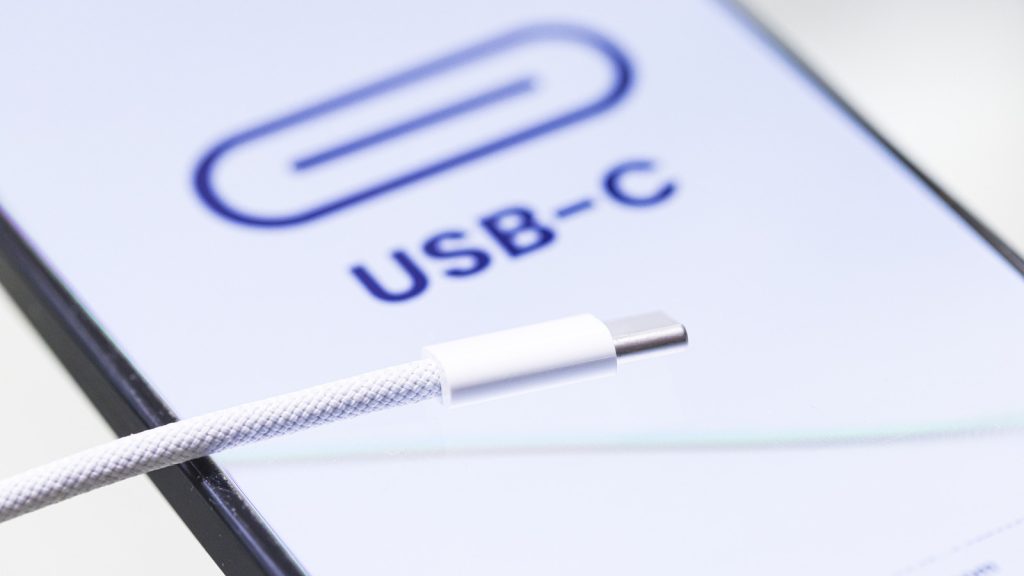
Replacing a damaged USB-C cable seems simple enough until you end up with a flimsy wire that takes hours to charge your phone or fails to power your laptop. Because USB-C hardware powers everything from low-draw accessories to high-performance notebooks, buying the right wire from a reliable retailer is essential to protect your electronics and maximize charging speed.
This comprehensive comparison ranks eight popular places to buy USB-C cables, evaluating factors such as product quality, specification transparency, price, and overall retail convenience. Whether you need an emergency wire immediately or want a high-wattage braided cable built to last, this breakdown highlights where to shop and which outlets to skip.
| Rank & Retailer | Key Advantages | Primary Drawbacks | Best Suited For |
|---|---|---|---|
| 1. Direct Brand Stores | Guaranteed genuine products, accurate wattage specs | Slower shipping than Amazon Prime | High-quality power delivery cables |
| 2. Amazon | Massive catalog, fast delivery options, broad price range | Risk of counterfeit items and misleading listings | Quick online orders with known brand names |
| 3. Best Buy | Tech-focused stock, premium brands, instant pickup | Slightly higher retail pricing, limited store count | Same-day high-spec cable purchases |
| 4. Target | Carries official Apple accessories alongside Anker | In-house store brands lack long-term durability | Convenient balanced offline shopping |
| 5. Walmart | Budget-friendly pricing, extended operating hours | Third-party online market clutter, varying store stock | Late-night emergency replacement cords |
| 6. Dollar Stores | Immediate offline availability at minimal cost | Poor construction, restricted charging speeds | Temporary offline fixes in a pinch |
| 7. Temu / AliExpress | Extremely low unit pricing for multipacks | Unverified performance claims, long shipping times | Non-essential low-power gear on a tight budget |
| 8. Resale & Garage Sales | Rock-bottom cost per cable | High chance of worn out, slow, or damaged cords | Emergency backup spare wires only |
8. Garage Sales and General Resale
Buying used power hardware on platforms like Facebook Marketplace or at local garage sales remains the least reliable method to acquire a USB-C cable. While sellers often clear out extra accessories for a dollar or two, the likelihood of purchasing a worn or outdated cord is high.
Most people hang onto their fastest and newest accessories while selling off low-spec leftovers. Furthermore, factor in the time and gas required to drive to a seller’s location, and any minimal savings quickly disappear before you even test if the cable works.
7. Temu or AliExpress
Budget overseas marketplaces offer tempting multi-cable bundles for minimal cost, but the actual product quality rarely matches the advertising hype. These listings frequently feature cluttered descriptions that obscure vital specifications like data throughput and connector types.
Without established brand accountability, you rely strictly on seller claims regarding fast-charging output, such as 60W or 100W Power Delivery specs. Investing in a single durable cord from a reputable manufacturer yields significantly better long-term performance than gambling on cheap multipacks.
6. Dollar Stores
Physical discount chains like Dollar Tree or Dollar General stock cables that perform similarly to ultra-cheap online imports. These low-cost cords generally feature fragile outer jacketing and limited internal copper gauge, restricting them to standard-speed charging.
Their sole advantage over online platforms is immediate access. If your phone is dead and no major electronics stores are open nearby, a dollar store cable will keep your device powered temporarily despite its structural shortcomings.
5. Walmart
As a major big-box retailer, Walmart provides accessible store locations and extended operating hours, making it convenient for late-night hardware needs. However, the physical shelf selection leans heavily toward entry-level, lower-durability accessories.
Shopping on Walmart’s digital storefront introduces additional complexity due to third-party marketplace sellers. Distinguishing between direct retail inventory and unverified third-party listings requires careful attention during checkout.
4. Target
Target ranks slightly ahead of Walmart due to a curated accessory section that regularly includes genuine Apple products alongside established brands like Anker and Beats. This makes it a stronger physical storefront for phone owners seeking name-brand reliability.
However, Target’s budget-focused house brand cables often fall short in overall longevity. For specialized high-wattage charging, in-store inventory remains limited compared to dedicated electronics sellers.
3. Best Buy
Best Buy stands out as the premier brick-and-mortar destination for mobile accessories and charging hardware. Because the store caters to computing and consumer tech, its shelves house higher-tier brands with clearly labeled specifications.
The main trade-off comes down to price and store density. Cables purchased at Best Buy often cost slightly more than online rates, and finding an open location nearby may require a longer commute depending on your region.
2. Amazon
Amazon boasts the largest selection of USB-C cables anywhere, spanning every combination of length, braided sleeve material, and power spec imaginable. Competitive pricing and fast shipping make it an attractive option for most shoppers.
The challenge lies in sifting through thousands of nearly identical search results. Sponsoring algorithms and knockoff brands can make finding genuine, high-speed cables difficult. Knowing specific brand names beforehand is essential to navigating the marketplace safely.
1. Directly From a Brand Store
Ordering straight from dedicated hardware manufacturers—such as Anker, Belkin, or Ugreen—is the most dependable way to secure top-quality charging gear. Shopping direct guarantees authentic products backed by legitimate manufacturer warranties.
Brand sites offer streamlined catalog navigation with verified power delivery specifications, eliminating product guesswork. Once you identify the ideal model on a brand’s website, you can order directly or locate that exact item on their official Amazon storefront for faster delivery.
Evaluation Methodology
This assessment relies on extensive real-world testing of charging hardware across various power profiles and usage scenarios. Key evaluation criteria include clear labeling of wattage standards (such as 60W and 100W Power Delivery), structural strain relief, conductor quality, and retailer return policies.
Retailers providing transparent specifications and consistent stock from verified manufacturers received higher rankings. Outlets relying on vague product details, unbranded inventory, or inconsistent third-party listings were categorized lower on the spectrum.
Frequently Asked Questions
How can I verify if a USB-C cable supports fast charging?
Check the product specifications for explicit wattage ratings, such as 60W or 100W Power Delivery (PD) compliance. Reputable manufacturers publish both charging wattage capacity and data transfer speeds directly on the product packaging or official specs page.
Is it safe to use budget USB-C cables from dollar stores long-term?
While cheap cables are useful for emergency power, they often lack proper internal shielding and high-grade copper wiring. Using under-spec cables regularly can lead to slow charging speeds, excessive heat generation, and early cable failure.
Why buy directly from a manufacturer website instead of a general marketplace?
Purchasing direct from official brand storefronts eliminates the risk of receiving counterfeit hardware or mistaking a low-speed cable for a high-wattage model. It also ensures full coverage under official customer support and replacement warranties.