
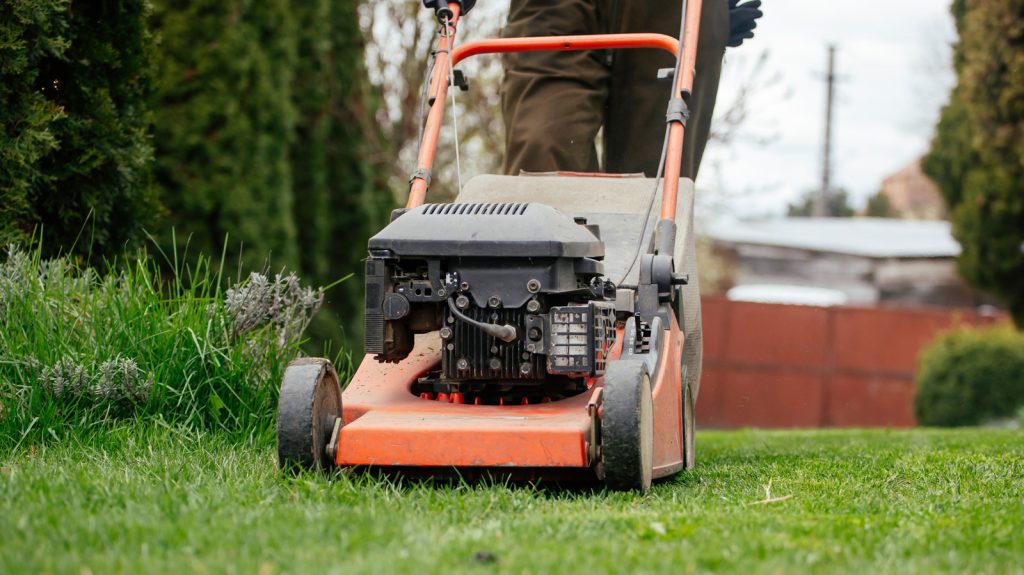
Many homeowners view cutting the grass as a therapeutic mid-morning routine, but rushing through your yard without checking the ground can lead to costly repairs and dangerous accidents. Before pulling the starter cord, taking time to clear hidden obstacles is essential for protecting both your equipment and your personal safety.
Direct Summary: This guide highlights four hazardous lawn objects—tree roots, rocks, sticks, and synthetic cords—that should never contact active lawn mower blades. It explains the mechanics of blade damage, engine failure, and high-velocity projectile risks, offering quick pre-mow safety solutions for residential homeowners and yard maintenance crews.
At-a-Glance: Mower Hazards and Mitigation Strategies
| Hazard Type | Equipment Impact | Safety Risk | Best Solution |
|---|---|---|---|
| Tree Roots | Blunted blades, bent crankshafts | Long-term damage or death to the tree | Remove turf and lay wood chips or mulch around roots. |
| Rocks & Stones | Shattered blades, cracked mower deck | Lethal projectile hazard (comparable to firearm velocity) | Rake gravel areas and hand-pick stones prior to mowing. |
| Branches & Sticks | Accelerated blade dulling, internal clogging | Flying wood debris injuring operator or property | Scan lawn and clear all fallen twigs before passing over. |
| Wires & Ropes | Tangled blade shafts, burned-out engines | Whiplash cuts or thrown metal pieces | Do a perimeter walk to pick up discarded cords and line. |
1. Surface Tree Roots
Exposed tree roots frequently creep into turf areas, creating a dilemma for anyone trying to maintain an even cut. Striking thick roots causes immediate mechanical wear, rapidly dulling mower blades and potentially warping the engine drive shaft.
Beyond damaging your equipment, hitting exposed roots strips away the outer bark that protects the tree’s vascular system. Over time, recurring blade strikes invite decay and disease, which can eventually kill mature trees. If raising your mower deck height isn’t enough to clear the root, consider digging up the surrounding grass and creating a landscaped bed of wood chips or mulch instead.
2. Rocks and Small Stones
Running over gravel or stray rocks is one of the most severe mistakes an operator can make. When high-speed mower blades strike hard stone, the impact transforms loose gravel into lethal shrapnel capable of breaking windows, denting car panels, or inflicting severe bodily harm.
The ballistic danger of a stone launched by a mower is well-documented. An evaluation on television’s “MythBusters” compared a mower-launched rock to a bullet fired from a .357 Magnum. The testing confirmed that a thrown rock carries kinetic power equivalent to a handgun round, making pre-mow stone removal a vital safety step.
3. Fallen Branches and Sticks
It is easy to assume small sticks will simply shatter under a mower deck without consequence. However, even thin branches are dense enough to nick and blunt steel blades rapidly, creating unexpected maintenance costs over the course of a single season.
Additionally, brittle wood can break apart and eject from the discharge chute at high speeds. These flying wood splinters pose a direct threat to bystanders, pets, and the legs of the person operating the machine. Spending two minutes gathering yard debris before starting the mower protects both your wallet and your safety.
4. Wires, Ropes, and Hoses
Leftover gardening supplies like string, nylon rope, loose wire, or thin hoses frequently hide in tall grass. Because these materials are flexible, mower blades do not chop through them cleanly; instead, they latch onto the material and wrap it tightly around the spinning spindle assembly.
This rapid binding creates instant engine resistance, putting massive strain on the motor and causing it to stall out or burn up completely. Furthermore, stiff wire can snap under stress and launch outward like a whip. A quick perimeter sweep of the lawn prevents costly mechanical failure caused by hidden cords.
Frequently Asked Questions
Can a lawn mower blade survive hitting a rock?
While a forged steel blade may not snap immediately, striking a rock almost always causes deep nicks, bends, or severe dulling. In severe cases, the sudden impact can warp the engine crankshaft, effectively destroying the mower.
What should I do if my mower gets tangled in wire or rope?
Immediately turn off the engine, disconnect the spark plug wire to prevent accidental starting, and tilt the mower up with the carburetor facing upward. Carefully cut away the entangled material using heavy-duty shears before checking the blade shaft for damage.
How can I protect tree roots while keeping the lawn trimmed?
The safest method is to remove the grass directly around the root zone and apply a layer of organic mulch or wood chips. Alternatively, raise your mower deck to its highest setting and manually trim around sensitive root areas using a string trimmer.