
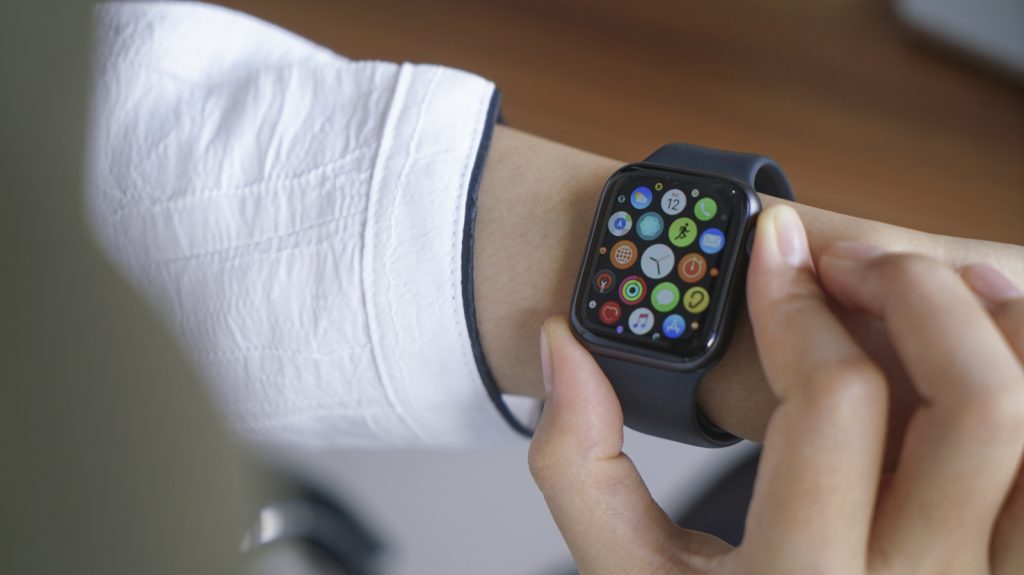
Despite its deep integration with the iPhone ecosystem, robust health tracking, and life-saving safety tools, the Apple Watch is not an indispensable device for every user. While millions rely on Apple’s wearable every day, an increasing number of long-term owners eventually choose to unstrap it for good when the time comes to upgrade or replace their device.
This article examines why long-time Apple Watch users abandon the device, focusing on daily battery maintenance, high out-of-warranty repair costs, notification fatigue, and complete platform lock-in with iOS. It provides practical context for iPhone and Android owners deciding whether to renew their wearable subscription or transition to alternative fitness bands and smartwatches.
| Apple Watch Aspect | Key Constraint / Specification | Impact on Wearer |
|---|---|---|
| Battery Life | Up to 24 hours (Series 11); proprietary puck charger | Requires daily charging routines and extra travel accessories |
| Repair Costs | Up to $300 for body repair; $100 for battery replacement | Makes fixing older or damaged models economically unviable |
| User Engagement | High notification density; small-screen interactions | Leads to digital fatigue; advanced features often disabled |
| Platform Compatibility | Requires an iPhone for initial setup and cloud sync | Forces users to leave the watch behind when switching to Android |
Daily Charging Demands and Cable Frustrations
While smartphone users have adapted to plugging in their handsets once a day, adding another device with identical charging requirements can quickly become tedious. Dedicated fitness bands frequently offer a full week of battery life on a single charge, making the Apple Watch’s daily top-up routine feel restrictive for active users.
The Apple Watch Series 11 is officially rated for up to 24 hours of standard battery life. Even with minimal feature usage, stretching the battery into a second day usually ends with a dead device mid-afternoon. For users relying on continuous GPS navigation and workout tracking, frequent charging is mandatory.
The reliance on a proprietary magnetic charging puck adds further friction. If you forget the dedicated cable while traveling, topping up the battery using standard USB-C cables is not an option. This hardware limitation often drives former Garmin or Fitbit owners back to dedicated health bands.
Excessive Out-of-Warranty Repair Expenses
Despite titanium and aluminum casing options, protective glass, and strong water resistance for swimming, an Apple Watch remains vulnerable to heavy impacts on your dominant wrist. Minor scuffs are common over years of wear, but catastrophic screen cracks or internal damage present a steep financial challenge.
Out-of-warranty repair estimates for current-generation GPS models can reach as high as $300. When compared to the $400 original retail price of a base model, paying three-quarters of the replacement cost for a repair makes little financial sense. Even a standard battery replacement costs roughly $100.
Without an active AppleCare plan, repairing an aging three- or four-year-old watch is rarely economical. Many owners choose to wear damaged units until they fail completely, after which they often migrate to lower-cost alternatives rather than purchasing another premium smartwatch.
Novelty Wear-Off and Notification Overload
First-time smartwatch owners often enjoy the initial novelty of wrist-based computing, bright displays, and fluid software interactions. Over time, however, the realization settles in that smartphones execute most tasks faster and more comfortably than a small wearable screen.
Notification mirroring is one of the primary reasons users feel overwhelmed by smartwatches. While watchOS supports full wrist-based messaging via an on-screen keyboard or voice input, constant haptic nudges throughout the day frequently prompt users to mute or disable notifications entirely.
Conveniences like contactless payment terminals and quick music playback controls remain useful. However, once the novelty fades, many users realize that a basic fitness tracker covers their fundamental health monitoring needs without the constant digital noise.
Absolute Incompatibility with Android Devices
Hardware hardware lock-in remains a decisive barrier for users considering non-Apple smartphones. There is no official method to pair an Apple Watch with an Android device, making platform switching impossible without abandoning the wearable.
Apple spent three years attempting to develop Android compatibility for the Apple Watch before canceling the initiative due to technical limitations, according to internal reporting by 9to5Mac. Consequently, cellular models can function independently to a degree, but core fitness data sync still requires an active iPhone connection.
For individuals transitioning to Android phones, carrying an secondary iPhone solely to log wrist data is impractical over time. Modern alternatives like the Samsung Galaxy Watch and Google Pixel Watch now offer comparable health tracking, giving Android switchers viable options within their new hardware ecosystem.
Frequently Asked Questions
Can you pair an Apple Watch directly with an Android phone?
No, the Apple Watch requires an iPhone for initial setup, pairing, and cloud data synchronization. Apple attempted to develop cross-platform Android support over a three-year period, but ultimate technical limitations prevented the feature from launching.
How much does an out-of-warranty Apple Watch repair cost?
Out-of-warranty hardware repairs for current standard GPS models can cost up to $300, while a basic battery replacement costs approximately $100. Because these fees approach the cost of a brand-new unit, many owners choose to upgrade or switch brands instead of repairing older devices.
How long does Apple support smartwatches with watchOS updates?
Apple typically provides watchOS software updates for three to six years depending on the hardware model. While software longevity is strong, physical battery degradation and high repair costs often prompt users to replace their devices earlier.