
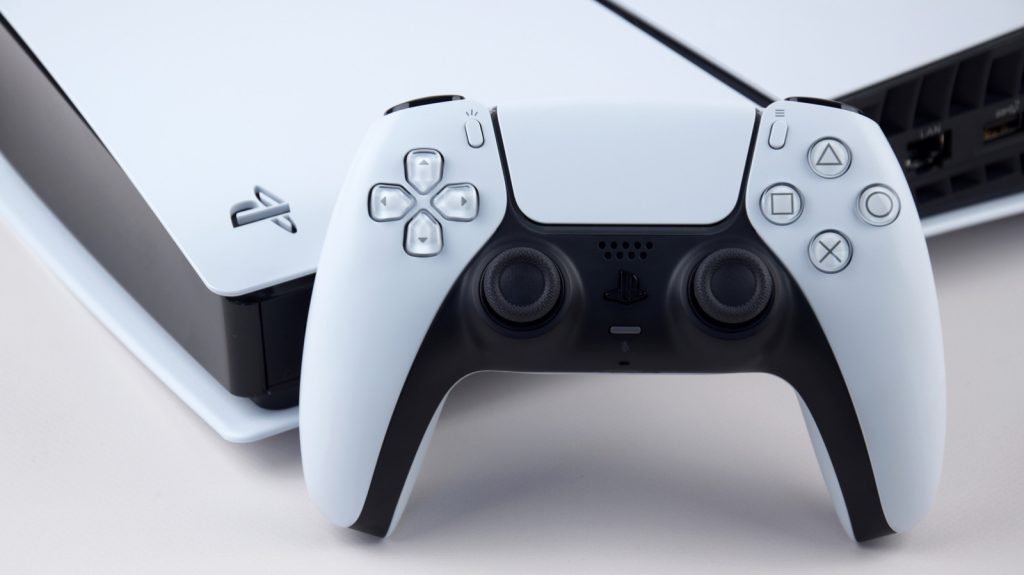
Console gamers hoping for price relief after recent trade policy shifts are out of luck. Sony Interactive Entertainment is poised to collect upwards of $500 million in government tariff refunds, but the hardware maker has no intention of issuing rebates to PlayStation 5 buyers.
Direct Overview: This report analyzes Sony’s legal stance on retaining an estimated $500 million in tariff refunds following trade litigation rulings. It details PlayStation 5 pricing trajectories, ongoing consumer class-action lawsuits against major tech manufacturers, and comparative refund strategies across the consumer electronics and retail sectors.
Sony Defends Keeping Government Refund Windfalls
As import duties are rolled back, American consumers are discovering that price hikes enacted during tariff spikes remain firmly in place. Sony has formally signaled that it will not share its potential $500 million payout with customers who purchased hardware at inflated retail rates.
In response to growing consumer pushback, Sony contends that buyers voluntarily purchased PlayStation 5 hardware at listed market rates. Because consumers were not forced to buy consoles after price adjustments took effect, the company argues it bears no legal duty to pass along government refunds.
Sony is not alone in retaining these funds, though strategies across corporate retail vary:
- Nintendo: Secured a $300 million tariff refund while actively fighting consumer litigation demanding rebates.
- Apple: Directing returned tariff capital into domestic manufacturing investments and product development.
- Costco & Walmart: Opting to reinvest tariff refunds into selective shelf-price reductions rather than issuing direct customer checks.
Tracking the PlayStation 5 Price Hikes
Historically, video game consoles drop in price as manufacturing efficiencies mature over their lifecycle. The PS5 has broken this long-standing industry standard, becoming progressively more expensive since its initial launch.
Sony implemented an initial $50 surcharge across hardware lines, followed by an additional $100 increase in early 2026. Below is a detailed tracking of hardware cost adjustments over time.
| Hardware Variant | Baseline Retail Cost | Updated Retail Cost (2026) | Cumulative Increase |
|---|---|---|---|
| PS5 Digital Edition | $450.00 | $600.00 | +$150.00 |
| PS5 Disc Edition | $500.00 | $649.99 | +$149.99 |
| PS5 Pro | $699.99 | $899.99 | +$200.00 |
Class-Action Litigation and Hardware Market Impact
Discontented consumers have filed multiple lawsuits accusing tech giants of double-dipping—collecting inflated margins from buyers upfront while recouping the original tax burden from the federal government. Sony, Microsoft, and Nintendo all face active courtroom challenges over these practices, though Sony has requested an immediate dismissal of its case.
In its motion to dismiss, Sony claims hardware price increases were not tied exclusively to import tariffs. Instead, the company attributes higher MSRPs to rising component costs, global inflation, and ongoing market demand. Sony points out that its early 2026 price hike occurred after the Supreme Court struck down key tariffs in February 2026, which it claims proves the adjustments were independent of trade duties.
This legal battle comes during a challenging operational stretch for the brand. Sony recently faced backlash after signaling a move away from physical disc support, and agreed to a $7.85 million settlement over digital PlayStation Store pricing disputes. By July 2026, PlayStation 5 hardware sales dropped roughly 36% year-over-year, suggesting that sustained price inflation may finally be testing consumer limits.
Frequently Asked Questions
Will PlayStation 5 buyers receive a rebate from Sony’s tariff refund?
No. Sony maintains that because consumers purchased consoles voluntarily at set retail prices, the company has no legal obligation to distribute any portion of its estimated $500 million tariff refund to buyers.
How does Sony justify raising prices after tariffs were struck down?
Sony argues that price hikes were driven by broader market pressures, including supply chain inflation, component expenses, and sustained product demand, rather than being strictly linked to government import tariffs.
Are other gaming companies refunding consumers for tariff costs?
No major gaming manufacturer is issuing direct refunds to consumers. Nintendo received a $300 million tariff return and, like Sony, is currently contesting consumer lawsuits seeking buyer compensation.