
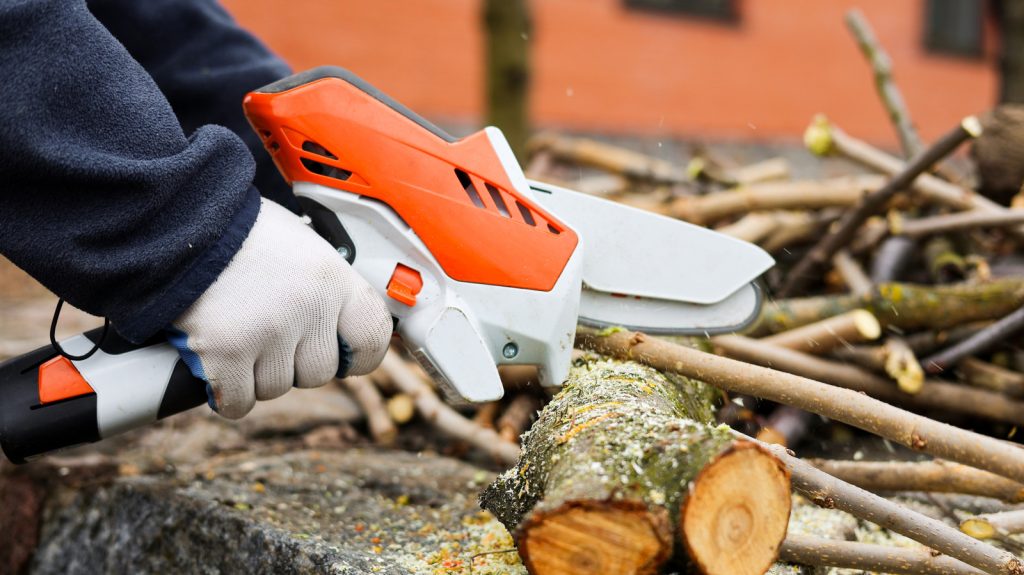
Mini chainsaws have gained massive popularity among homeowners for clearing backyards and trimming light yard debris, but pushing these compact battery-powered tools past their limits can quickly destroy the motor or cause severe injuries. Knowing when to put down the mini saw and grab a specialized implement is essential for keeping your power tools running smoothly and staying safe on the job site.
While handheld mini chainsaws excel at pruning mid-sized tree branches and light yard cleanup, using them on improper materials causes severe kickback, motor burnout, or snapped chains. This guide highlights five tasks—including cutting thick logs, dense hardwoods, PVC piping, thin twigs, and masonry—where mini chainsaws fail, recommending practical, safer tool alternatives for every scenario.
1. Thick Tree Branches and Large Timber
Mini chainsaws are engineered for light, low-resistance cutting, making them effective for branches that are just a few inches thick. When forced into heavy logs or thick tree trunks, the small battery-operated motor rapidly overpowers itself. Sustained load on a thick branch generates extreme friction, leading to severe thermal stress and permanent motor failure.
For heavy timber and thick limb removal, step up to a standard full-sized chainsaw. Full-scale chainsaws provide the necessary displacement, higher torque, and extended guide bar length to pull through dense wood smoothly without stalling or binding the chain.
2. Extremely Thin Twigs and Small Branches
It might seem logical to use a small power tool for tiny branches, but attempting to cut thin twigs with a mini chainsaw creates significant safety hazards. Thin, flexible wood often snags in the moving drive links instead of cutting cleanly, which can whip the branch around or trigger dangerous kickback that forces the saw violently out of your grip.
For small-diameter pruning, stick to simple manual cutting tools like sharp bypass pruning shears, hand loppers, or a folding hand saw. These tools deliver precise cuts without wasting battery life or subjecting you to uncontrolled blade bounce.
3. Dense Hardwoods Like Oak and Maple
Softwoods such as pine, cedar, and spruce yield relatively easily to a mini chainsaw’s compact cutting chain. Dense hardwoods like oak, walnut, and maple present a far tougher physical barrier. Cutting through high-density wood strains small guide bars and dulls smaller chains in a fraction of the time required for softwood.
When working with tough hardwood species, a high-torque full-sized gas or high-voltage cordless chainsaw is required. Their heavy-duty chains and aggressive tooth geometry slice through dense fibers without binding or stalling mid-cut.
4. PVC and Plastic Piping
Although plastic piping feels soft compared to wood, cutting PVC with a mini chainsaw is a quick way to ruin both your plumbing project and your tool. High-speed chain friction melts rigid plastics, binding the guide bar teeth with soft resin and throwing off off-center debris. Furthermore, jagged chainsaw teeth leave ragged, uneven edges on PVC that prevent watertight fittings.
Always use a dedicated manual ratchet pipe cutter or a powered pipe saw for plastic plumbing lines. These tools yield clean, square edges essential for proper glue application and leak-free joints.
5. Masonry, Stone, and Concrete
Chainsaw chains are designed exclusively for cutting organic wood fibers. Attempting to cut brick, stone, pavers, or poured concrete with a mini chainsaw will instantly destroy the cutting teeth and snap the chain from extreme impact force.
For masonry work, rely on a dedicated cut-off saw or a heavy-duty angle grinder equipped with a diamond-grit blade. These tools are engineered to grind through mineral substrates safely while controlling airborne dust.
Mini Chainsaw Capabilities vs. Right Tool Selection
Selecting the right tool for the job prevents equipment damage and ensures clean cuts. The table below outlines common cutting tasks, why a mini chainsaw falls short, and the proper tool to choose instead:
| Cutting Task | Why Mini Chainsaws Fail | Recommended Alternative Tool |
|---|---|---|
| Thick Timber & Trunks | Lacks sufficient torque; causes motor overheating and burnout. | Full-sized gas or heavy-duty cordless chainsaw |
| Thin Twigs & Shoots | Prone to catching, causing hazardous saw kickback. | Bypass hand pruners or anvil loppers |
| Dense Hardwood | Dulls compact chains rapidly and stalls the motor mid-cut. | High-torque heavy-duty chainsaw |
| PVC Plumbing Pipes | Friction melts plastic, clogging teeth and ruining cuts. | Manual pipe cutter or specialized reciprocating saw blade |
| Concrete & Masonry | Shatters or immediately dulls steel chain teeth. | Concrete cut-off saw with a diamond blade |
Frequently Asked Questions
Can a mini chainsaw cut through hardwood like oak or walnut?
While a mini chainsaw might physically make a small cut in hardwood, doing so puts severe strain on the motor and rapidly dulls the chain. Dense woods require high-torque full-sized saws designed to process tough fibers without overheating.
Why is it risky to trim very small branches with a handheld chainsaw?
Thin, pliable twigs often fail to cut cleanly and can catch between the moving chain teeth. This binding action can snap the branch or cause sudden kickback, making the saw buck out of your hand.
What happens if you try to cut plastic pipe with a mini chainsaw?
The heat generated by the fast-moving chain melts the PVC, causing melted plastic to clog the drive links and saw housing. Additionally, the teeth leave rough, jagged edges that spoil pipe fittings.