
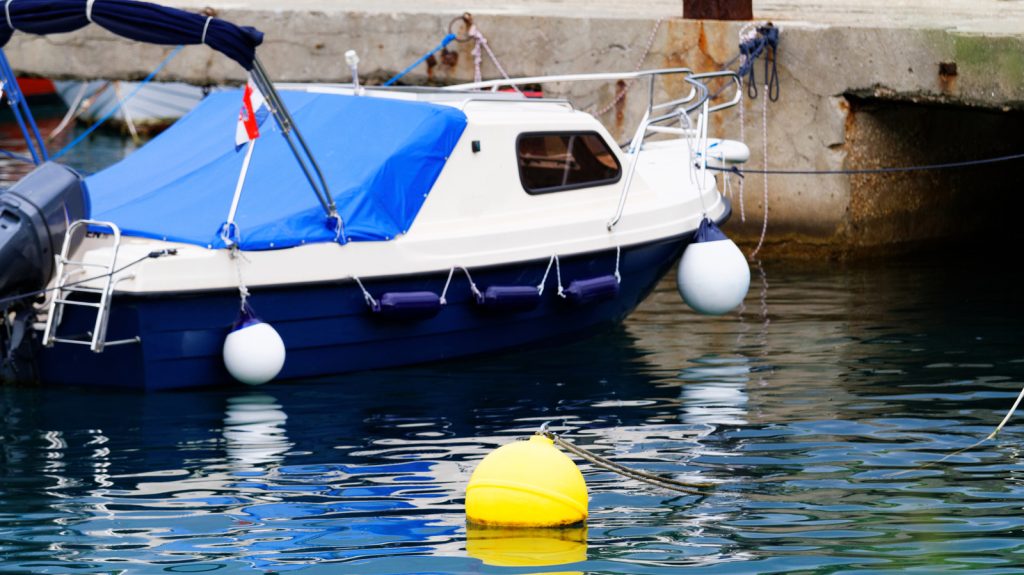
When learning to operate a vessel, securing your boat safely is one of the first practical skills you must master. Navigating nautical terminology can easily confuse beginner boaters, especially when distinguishing between docking, mooring, and anchoring.
This overview details the primary methods for securing a boat on the water, contrasting docking, mooring, and temporary anchoring. It highlights structural setups, equipment requirements, and environmental considerations, offering practical clarity for new boat operators and nautical enthusiasts seeking proper vessel management techniques in mariculture or open waters.
Comparing Boat Securing Methods
Choosing the right method depends on your location, vessel size, water depth, and how long you plan to remain stationary. The table below outlines how these three common techniques differ.
| Securing Method | Primary Location | Key Equipment Used | Best Application |
|---|---|---|---|
| Docking | Shoreline, piers, or marina slips | Dock lines, cleats, fenders | Short to medium stays, loading passengers, maintenance |
| Mooring | Offshore mooring fields or open water | Mooring buoy, heavy bottom anchor, ground chain | Long-term offshore parking, overcrowded marinas |
| Temporary Anchoring | Open water, coves, or bays | Fluke/plow anchor, rode (chain and line) | Short breaks, fishing, swimming, awaiting weather clearance |
What Is Docking?
Docking is the most common way boaters park their vessels after returning to shore. This process involves maneuvering your boat directly alongside a solid structure, such as a pier, quay, or marina slip.
Once positioned, you secure the boat using specialized dock lines tied to stationary cleats or pilings. Docking provides easy land access for passengers and gear, though it requires precise control when managing wind and tidal currents near rigid structures.
How Does Mooring Work?
Mooring secures your vessel to a fixed underwater point located away from the immediate shoreline. Rather than tying off to a land-connected pier, you connect your boat to a floating mooring buoy attached to a heavy, semi-permanent seabed anchor via a heavy-duty chain.
Mooring keeps vessels safe in designated harbors or open water without occupying valuable space at land-based docks. Because the boat swings with the wind and current around the buoy, it often experiences less structural impact during shifting water conditions.
Understanding Temporary Anchoring
Temporary anchoring relies on a portable weight—typically a metal anchor attached to a rope or chain—that you drop directly to the sea or lake floor. The anchor grips the bottom substrate to hold the vessel steady while you take a short break.
This approach works well for spending an afternoon fishing, swimming, or riding out brief weather changes away from shore. However, temporary anchors can drag if subjected to strong tides, heavy current changes, or unsuitable seabed terrain, making them unfit for unattended long-term stays.
Frequently Asked Questions
What is the main difference between docking and mooring?
Docking involves tying your vessel directly to a shore-connected structure like a marina slip or pier. Mooring attaches your boat to an offshore buoy tethered to a permanent seabed anchor away from land.
Is anchoring safe for overnight stays?
Temporary anchoring can work overnight in calm, sheltered conditions with proper ground tackle. However, shifts in wind, current, or water depth can cause the anchor to break free, so monitoring weather conditions is essential.
Why would a boater choose mooring over docking?
Mooring is generally more affordable than renting marina slip space and allows boats to naturally swing into incoming wind and waves, reducing strain on the hull compared to being tied against a rigid dock.