
A sharp, foul odor coming from your engine bay while shifting gears is an unmistakable sign of mechanical stress. When a manual vehicle emits a distinct burning smell—often described as singed hair mixed with scorching paper—it almost always points to severe friction heat generated within the transmission assembly.
This guide explains why manual car clutches produce a burning odor, focusing on friction plate slippage, improper driving habits, and component wear. Designed for drivers operating manual gearboxes, it outlines how actions like holding position on hills or resting your foot on the pedal cause extreme friction, offering simple driving adjustments to prevent costly clutch replacements.
| Clutch Behavior / Habit | Root Cause | Impact on Transmission |
|---|---|---|
| Riding the Pedal | Resting a foot on the clutch pedal while cruising | Partial engagement causing constant friction and wear |
| Balancing on Incline | Holding the bite point on steep hills instead of braking | Extreme heat buildup, friction surface scorching, and burnt odor |
| High-RPM Launches | Applying high revs before dropping or slipping the pedal | Rapid surface overheating and aggressive friction plate wear |
| Mechanical Failure | Faulty release bearing, hydraulic line, or worn pressure plate | Inability to fully lock the friction disc against the flywheel |
How the Clutch Assembly Generates Heat
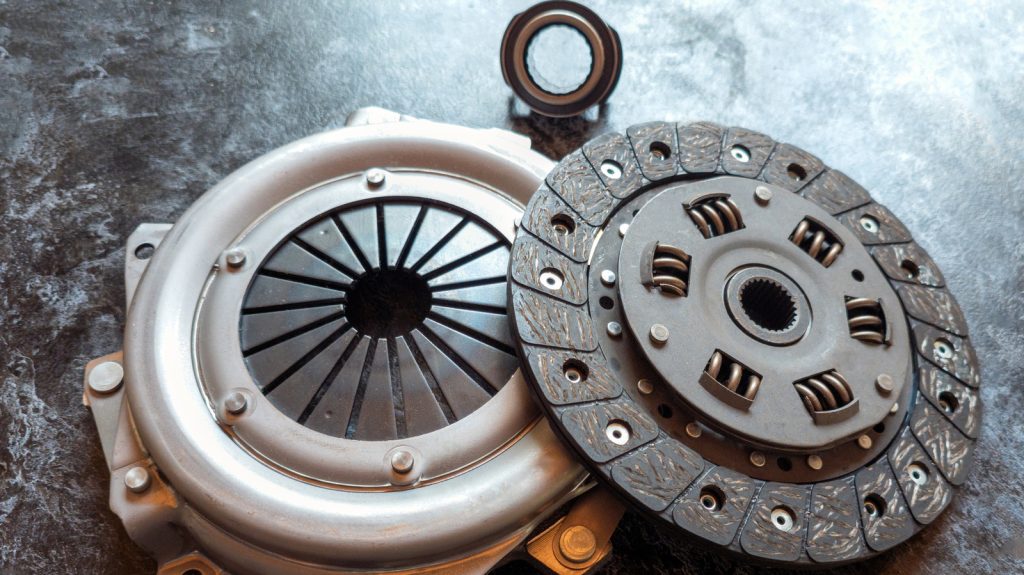
In a manual transmission car, the clutch serves as the critical coupling mechanism between the engine crankshaft and the drivetrain. The system relies on a disc lined with organic or metallic friction material, heavy-duty dampening springs, and a splined central hub. When functioning properly, this disc clamps tightly against the engine flywheel to transfer horsepower directly to the wheels.
During normal gear changes, the clutch is designed to slip briefly to ensure smooth power delivery rather than jarring the entire drivetrain. However, if the friction plate fails to clamp fully against the flywheel while the engine is turning, a speed discrepancy occurs. Much like race car brakes converting motion into intense heat under heavy braking, a slipping clutch converts rotational energy into friction heat, rapidly scorching the lining material.
Driver Habits That Cause Clutch Slippage
While mechanical wear eventually affects every manual transmission, excessive heat and burning smells are usually triggered by driver inputs. Slipping the clutch far longer than necessary creates a massive spike in operating temperature, causing the friction lining to breakdown and emit fine, foul-smelling dust.
- Holding Position on Hills: Using the clutch bite point and engine throttle to hold your vehicle steady on an incline generates excessive heat in seconds. Use the handbrake or foot brake instead.
- Resting Your Foot on the Pedal: Even light pressure on the clutch pedal unseats the pressure plate slightly, preventing total lockup and allowing subtle, continuous slippage.
- Creeping in Traffic: In heavy stop-and-go traffic, constantly moving forward with the pedal partially depressed friction-welds heat directly into the plate surface.
- Aggressive Starts: Combining high engine revs with a slow pedal release slips the friction material excessively under high load.
The Danger of Surface Glazing
When the friction lining gets repeatedly overheated, it undergoes a process called glazing. The intense thermal exposure polishes the rough, high-friction surface until it becomes slick and smooth. Once glazed, the plate loses its ability to grip the metallic flywheel properly, causing the clutch to slip even when your foot is entirely off the pedal.
If you notice an acrid burning smell while driving, pull off the road safely, place the transmission in neutral, and let the components cool down completely. Continuing to drive while the assembly is scorching will permanently ruin the pressure plate and flywheel, turning a preventable habit issue into an expensive garage repair bill.
Simple Adjustments to Extend Clutch Life
Extending the lifespan of your clutch requires minimizing unnecessary friction time. Make a habit of using the footrest pedal when not changing gears, release the pedal smoothly and promptly when setting off, and engage the handbrake whenever stopping on steep grades. If a mechanical component like a throwout bearing or hydraulic slave cylinder fails, inspect and repair it immediately to maintain proper pedal travel and pressure lockup.
Frequently Asked Questions
What should I do immediately if I smell my clutch burning?
Pull over to a safe area, put the gear lever in neutral, and let the vehicle idle or sit with the engine off to allow the transmission components to cool down. Avoid aggressive driving or forcing gear shifts until the friction plate thermal levels subside.
Does a burning clutch smell mean I need a replacement right away?
A single mild incident does not automatically mean your clutch is ruined, provided the plate surface cools down and still holds gear lockup without slipping. However, persistent burning odors during normal acceleration indicate severe surface wear or glazing, which requires a mechanic’s replacement.
Why is my clutch slipping even when my foot is off the pedal?
This typically occurs when the friction material has worn down past its usable thickness or has become deeply glazed from overheating. It can also stem from a faulty hydraulic release system or binding throwout bearing that prevents the pressure plate from clamping tightly against the flywheel.