
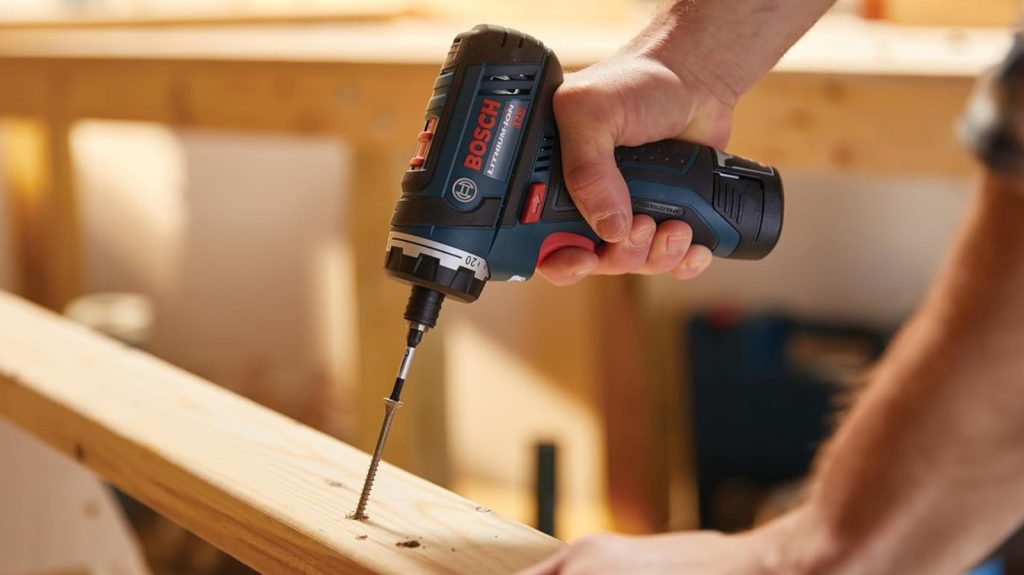
When a power tool battery runs dry mid-project, grabbing a charged pack from a different brand sitting on your workbench is a tempting shortcut. However, Bosch 12V and Milwaukee M12 batteries are strictly non-interchangeable, and attempting to force cross-brand usage can permanently destroy your equipment.
Direct Answer: Bosch and Milwaukee 12V battery platforms are not interchangeable due to proprietary physical designs and unique electronic communication protocols. While both operate on a 12-volt nominal platform, their battery management systems protect against overheating and overcurrent. Using adapter plates or cross-swapping risks catastrophic battery failure, fire hazards, and voiding manufacturer warranties.
Physical and Electronic Incompatibility
Modern cordless power tools rely on far more than simple mechanical contact pins. Bosch 12V and Milwaukee M12 battery packs feature proprietary form factors that prevent direct insertion into competing tool slots. A matching voltage rating does not mean two battery systems share the same internal architecture.
More importantly, both brands utilize integrated circuit boards that continuously monitor voltage levels, cell balance, and thermal load during operation. Bosch tools require direct electronic handshakes with Bosch batteries, while Milwaukee tools depend on proprietary electronics to regulate power draw. Without these exact signals, tools cannot safely operate.
The Hidden Risks of Third-Party Battery Adapters
While aftermarket battery adapters are widely available online to bridge physical connection gaps, they create serious safety hazards. These plastic adapters bypass critical communication lines between the battery management system and the tool motor.
Without active safety communication, power tools cannot detect excessive heat buildup or dangerous current spikes. This misalignment puts both the power tool and the battery at risk of thermal runaway, electrical shorts, and severe personal injury during heavy workloads.
Comparing Bosch 12V and Milwaukee M12 Battery Platforms
| Platform Metric | Bosch 12V System | Milwaukee M12 System |
|---|---|---|
| Cross-Compatibility | Incompatible with Milwaukee tools | Incompatible with Bosch tools |
| Electronic Protection | Proprietary Bosch circuit monitoring | Proprietary Milwaukee smart electronics |
| Adapter Usage Policy | Explicitly advised against by manufacturer | Explicitly warned against by manufacturer |
| Primary Hazard Risks | Overheating, short circuits, motor damage | Thermal runaway, fire risk, battery failure |
Warranty Implications and Best Practices
Beyond hardware risks, attaching non-approved batteries or third-party adapters immediately nullifies official warranty protections from both Bosch and Milwaukee. If a tool motor burns out or a lithium-ion cell ruptures during adapter use, repair or replacement costs fall entirely on the user.
To maintain jobsite safety and protect your power tool investments, avoid mixing brand platforms altogether. Always keep extra genuine original equipment manufacturer (OEM) batteries on hand for your respective power tool line.
Frequently Asked Questions
Can an adapter safely connect a Milwaukee M12 battery to a Bosch tool?
No, adapters only bridge the physical terminals and usually bypass critical electronic communication pathways. This lack of active thermal and voltage monitoring increases the risk of tool damage, battery failure, and potential fires.
Will using a third-party battery adapter void my tool warranty?
Yes, both Bosch and Milwaukee explicitly state in their official documentation that using non-OEM batteries or unauthorized adapters voids your tool and battery warranties. Any damages resulting from cross-brand usage will not be covered.
Why do 12V batteries from different brands have different connector shapes?
Manufacturers design unique mechanical shapes and pin layouts to ensure tools only operate with compatible, proprietary electronic management systems. This prevents users from plugging in unsupported power sources that lack proper thermal safety controls.