
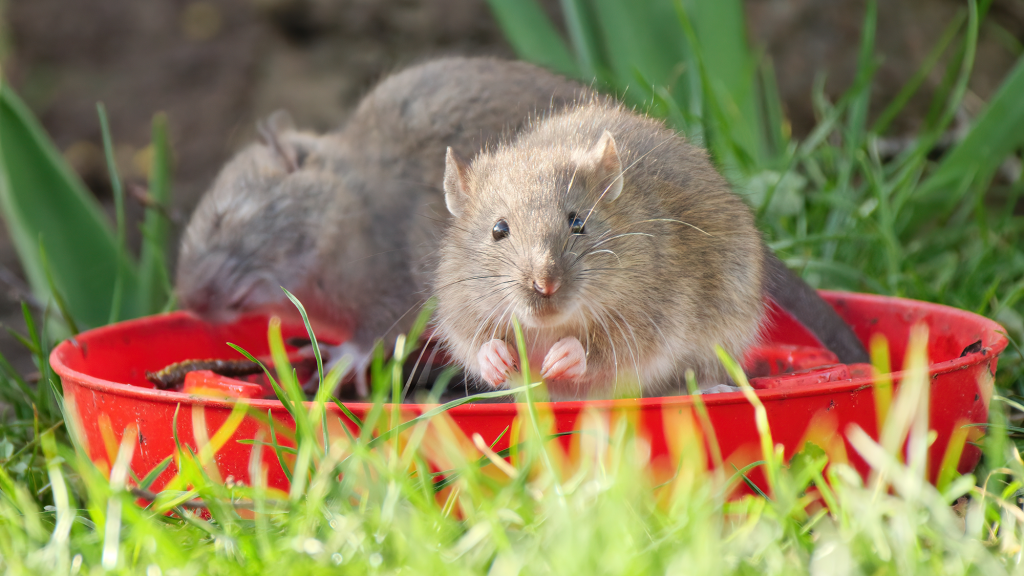
As autumn temperatures drop, rodents actively forage outdoors seeking steady food sources to prepare for colder weather. While most homeowners remember to secure trash cans, one overlooked yard hazard frequently draws rats directly to residential lawns.
This guide outlines essential autumn pest prevention steps for homeowners, focusing on removing fallen tree fruit—such as apples, pears, and plums—to eliminate rodent attractants. By establishing a routine cleanup schedule, managing bird feeders, and trimming dense vegetation, property owners can effectively discourage rats from nesting in their yards before winter arrives.
The Hidden Autumn Attractant in Your Yard
Even a well-kept lawn can harbour an unsuspecting lure for rodents if you or your neighbors cultivate fruit trees. Autumn harvesting might wrap up, but late-ripening crops often continue dropping onto the lawn, creating an effortless feast for nocturnal pests.
Chris Bonnett, horticulturist and founder of GardeningExpress.co.uk, explains that outdoor spaces provide abundant food sources when uncollected produce rots on the ground. Fallen apples, pears, plums, and similar fruits become prime targets for rats as the produce overripes. To prevent an infestation, inspect underneath your fruit trees every couple of days and gather fallen crops before they collect into large piles.
Key Yard Maintenance Tasks for Autumn Rodent Control
Extending your yard care routine past basic cleanup significantly reduces pest pressure. The table below outlines common autumn yard hazards and practical steps to mitigate rodent risks.
| Yard Hazard | Rodent Risk Level | Recommended Action |
|---|---|---|
| Fallen Tree Fruit | High | Gather fallen apples, pears, and plums every 2 to 3 days; compost securely or discard immediately. |
| Spilled Birdseed | High | Sweep ground under feeders frequently; avoid scattering bird food directly on the lawn. |
| Unsecured Trash Bins | Medium-High | Ensure tight-fitting lids and check for gaps or damage along bin bases. |
| Overgrown Vegetation | Medium | Keep grass mowed and clear weeds around sheds and fence lines to remove cover. |
Additional Strategies to Keep Rats Away
Beyond clearing fallen fruit, addressing secondary food and shelter sources is essential for complete rodent control. Rats act as relentless opportunists, quickly identifying subtle food supplies like loose bird seed or unattended outdoor pet meals.
Position bird feeders thoughtfully so scattered seeds do not build up on the ground beneath them. Sweeping the area under feeders regularly reduces easy access for pests. Avoid scattering seed directly onto the grass, as ground-feeding setups invite rats straight to your garden beds.
Physical shelter is equally attractive to rodents searching for winter quarters. Tall grass, thick weeds, and clutter around garden sheds offer ideal hiding spots. Keeping your lawn neatly mowed, clearing weeds around fence lines, and maintaining tidy pathways around outbuildings makes your outdoor space far less inviting to pests.
Frequently Asked Questions
Can you compost fallen fruit without attracting rats?
Yes, provided you use a fully enclosed compost bin with a solid lid and base. Avoid leaving open piles of decaying fruit on the ground, which gives rodents direct access to food.
How often should outdoor yard maintenance be performed in the fall?
A quick tidy-up every two to three days makes a substantial difference. Consistently removing dropped fruit, sweeping up stray seeds, and maintaining lawn edges ensures rodents find no reason to linger.
Why do rats become more active around yards during autumn?
As natural food sources dry up and temperatures decrease, rats actively search residential properties for easy meals and shelter close to warm structures.