
Many modern vehicle owners assume that a sealed transmission never requires attention simply because it lacks a standard dipstick under the hood. However, believing that “sealed” means completely maintenance-free can lead to unexpected mechanical wear or costly repairs over time.
Direct Summary: While sealed transmissions are designed with long-lasting fluid for standard driving, severe usage—such as towing, off-roading, or driving in extreme heat—degrades the fluid over time. Vehicle owners should follow model-specific inspection schedules, monitor for external fluid leaks, and seek professional servicing when fluid replacement becomes necessary.
| Feature / Aspect | Traditional Transmission | Sealed Transmission |
|---|---|---|
| Fluid Level Check | Engine bay dipstick | Bottom check plugs or diagnostic tools |
| Service Schedule | Regular mileage intervals (e.g., 30,000–60,000 miles) | Visual leak checks; service during severe duty |
| Service Complexity | Simple fluid drain and refill | Requires specialized tools and temperature monitoring |
Why “Sealed” Does Not Mean Maintenance-Free
A sealed transmission simply lacks a traditional dipstick for quick level checks under the hood. Manufacturers design these units to protect the system from external dirt and prevent vehicle owners from using incorrect fluid types.
While many automakers describe the fluid as “lifetime,” transmission fluid naturally degrades due to heat and mechanical strain. Over time, thermal breakdown reduces the fluid’s ability to lubricate internal gears and protect sensitive components.
Driving Conditions That Require Service
Driving habits and environmental factors heavily influence whether a sealed transmission will need fluid service during its operating life. Severe driving conditions accelerate wear and demand extra attention.
- Towing and Heavy Loads: Hauling heavy cargo creates excessive internal heat, breaking down fluid additives faster.
- Off-Roading and Dusty Roads: Harsh environments place extra mechanical strain on the assembly and test shaft seals.
- Fluid Leaks: Any sign of seepage compromises internal operating pressure and fluid volume.
For instance, official maintenance guidelines for vehicles like the 2025 Toyota Crown specifically require technicians to inspect sealed transmission units for fluid leaks during routine checkups. The absence of a dipstick does not mean the system should be ignored.
How Sealed Transmission Service Works
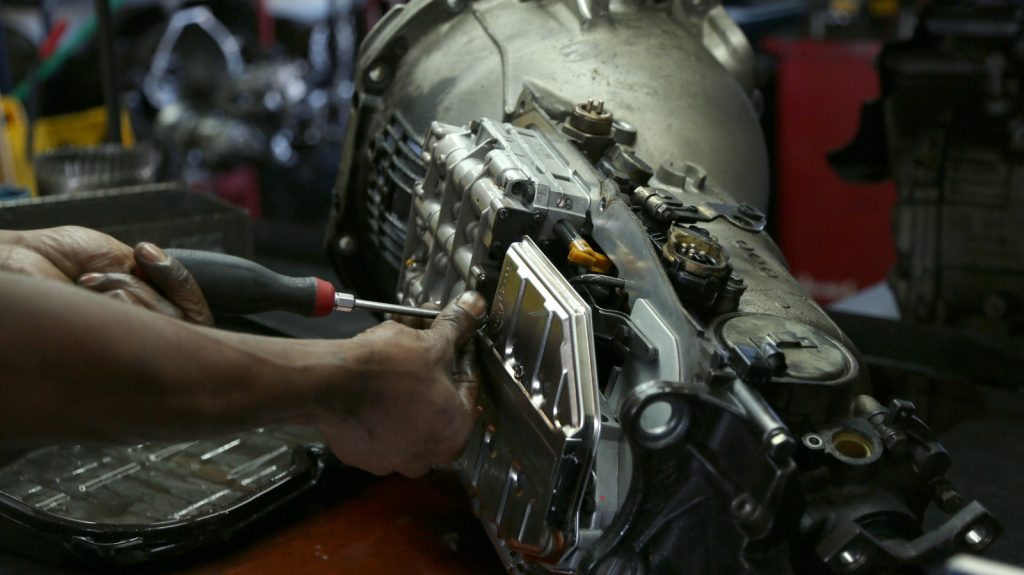
Servicing a sealed gearbox differs significantly from older automatic systems. Technicians access fluid through fill and drain plugs located directly on the transmission housing rather than working from under the hood.
The process often requires monitoring fluid temperature with diagnostic equipment to ensure correct fill levels. Because fluid specifications are precise for each vehicle model, servicing a sealed transmission is usually best handled by a professional technician with specialized shop tools.
Frequently Asked Questions
How do technicians check fluid in a sealed transmission?
Technicians check fluid levels by placing the vehicle on a lift, bringing the transmission fluid to a specific operating temperature, and removing a check plug on the transmission housing to observe fluid flow.
What does “lifetime fluid” mean in a car manual?
Automakers typically define “lifetime fluid” as fluid intended to last the standard warranty period or normal design lifecycle of the vehicle under typical driving conditions, not an infinite operational lifetime.
Can you change sealed transmission fluid at home?
While possible for experienced DIYers, replacing sealed transmission fluid usually requires specialized fluid pumps, diagnostic software to monitor fluid temperature, and strict adherence to exact manufacturer specifications.