
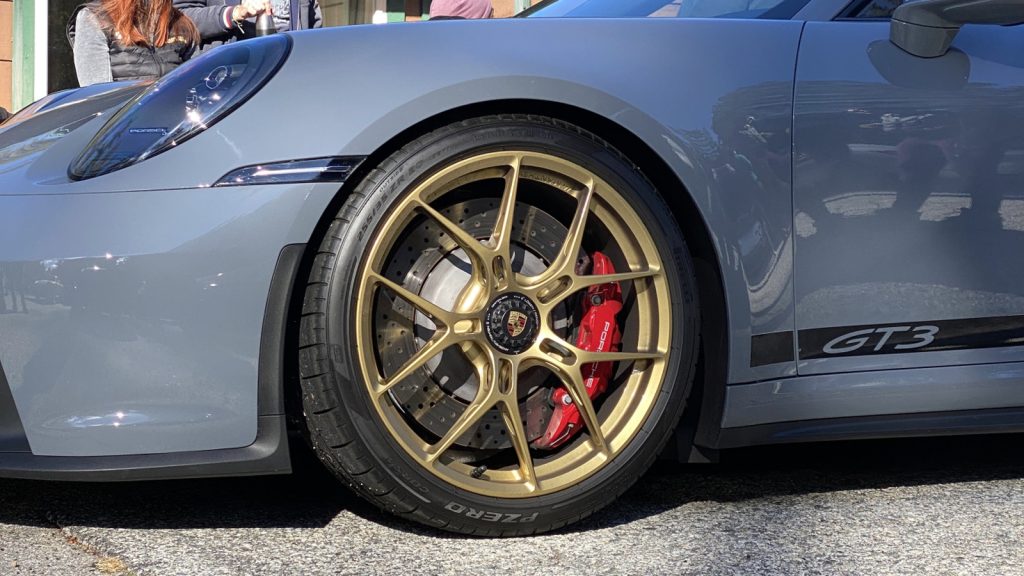
Replacing your vehicle’s tires involves far more than just picking a brand that fits your budget; the physical width of the rubber plays a direct role in how your vehicle performs on the road. Selecting between wide and narrow tires significantly influences braking distances, cornering grip, fuel efficiency, and cabin noise. While wider tires offer enhanced traction and shorter stopping performance for sports cars or heavy vehicles, narrower tires deliver superior efficiency, lower rolling resistance, and nimbler low-speed handling for daily commuters and compact hybrids.
Wide vs. Narrow Tires: Key Comparisons
Understanding how tread width alters vehicle performance helps drivers select the correct tire setup. Below is a breakdown of how tire dimensions influence everyday driving characteristics.
| Performance Metric | Wider Tires | Narrower Tires |
|---|---|---|
| Contact Patch | Larger road surface area | Smaller road surface area |
| Braking Distance | Shorter, safer stopping distances | Slightly longer stopping distances |
| Cornering & Grip | Higher lateral grip at high speeds | Reduced limit grip, quicker steering feel |
| Fuel Economy | Lower efficiency (higher rolling resistance) | Higher efficiency (lower rolling resistance) |
| Steering Effort | Increased effort required at low speeds | Lighter, nimbler steering response |
| Load Capacity | Higher potential load range ratings | Lower maximum load capacities |
Decoding Tire Size Specifications
Before modifying your setup, you must understand how tire sizes are formatted. Most passenger vehicles use metric designations printed directly on the sidewall, such as P205/55R16. In this sequence, the letter P indicates a passenger car, while 205 represents the tire’s width in millimeters.
The following number, 55, is the aspect ratio, meaning the sidewall height is 55 percent of the width (112.75 mm). The R stands for radial construction, and 16 denotes the wheel diameter in inches.
Trucks and off-road vehicles frequently use measurements in inches. For instance, the Ford F-150 Raptor R uses 37×12.5R17LT tires. This translates to a 37-inch total diameter, a 12.5-inch width, a 17-inch wheel diameter, and an LT rating for light truck applications.
How Wider Tires Change Driving Dynamics
A wider tire expands the size of the contact patch—the area of rubber making direct contact with the pavement. Increasing this contact area yields noticeable gains in straight-line stopping power and emergency braking responsiveness. Drivers seeking improved track performance or shorter safety margins often benefit from wider rubber.
Furthermore, the added width enhances lateral grip during aggressive cornering. However, wider tires create greater rolling resistance. This extra friction leads to higher fuel consumption, slightly reduced acceleration response, increased steering resistance, and elevated road noise inside the cabin.
The Advantages and Trade-offs of Narrower Tires
Narrow tires operate on the opposite spectrum, featuring a smaller contact patch and minimal rolling resistance. Because they encounter less friction, narrow tires maximize fuel economy. This makes them a popular factory specification for compact vehicles and hybrid models prioritizing long-distance efficiency over track-focused handling.
Steering feedback with narrow tires feels lighter and more agile in tight urban environments. The primary drawbacks involve slightly longer braking distances and decreased high-speed handling limits. Additionally, narrow tires generally feature lower load ranges, restricting their ability to carry heavy payloads in work trucks or cargo vans.
Choosing the Right Tire Width for Your Vehicle
Automakers display the ideal tire dimensions on a placard affixed to the driver’s door jamb. Sticking with this factory specification guarantees proper clearance and safe operating conditions without requiring mechanical modifications.
Slight changes in width are often manageable on factory wheels, such as switching from a P205/55R16 to a P215/45R16. However, jumping to significantly wider sizes like a 255 or 265 profile typically requires wider aftermarket wheels.
Overly wide tires can also rub against the inner fender lining or suspension components during sharp turns or suspension compression. Consulting vehicle forums, tire reviews, and qualified tire technicians ensures your chosen width fits safely within your wheel wells.
Frequently Asked Questions
Can I put wider tires on my factory wheels?
Slightly wider tires may fit your stock wheels, but significant jumps in width require wider aftermarket wheels. Installing overly wide tires on narrow rims can lead to improper tread wear and compromised bead seating.
Do wider tires reduce fuel efficiency?
Yes, wider tires increase overall rolling resistance due to their larger contact patch with the road surface. This extra friction forces the engine to work harder, which noticeably decreases gas mileage compared to narrower tire options.
Where can I find the recommended tire size for my car?
The original manufacturer recommended tire size is listed on a sticker inside the driver-side door jamb. It can also be found listed in your vehicle’s owner manual.