
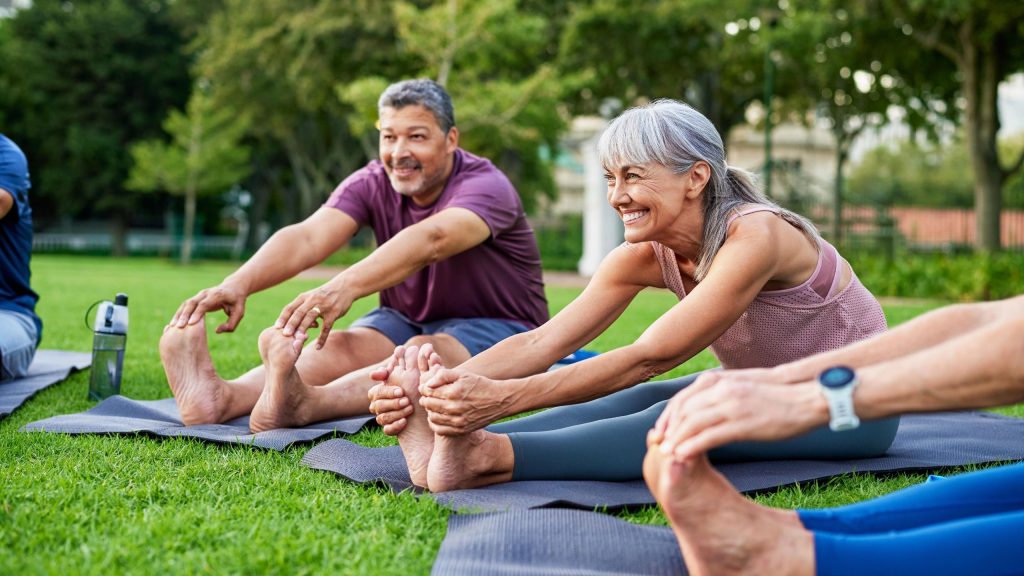
Many lifters assume heavy back squats are mandatory for building lower-body muscle, but placing a weighted barbell directly onto your spine is not ideal for everyone. For individuals managing back pain, joint stiffness, or the natural changes that come with aging, alternative movements offer a far safer path to strength. Fitness coach Carrie Sisson, who maintains exceptional physical condition at age 70, proves that smart exercise selection can build resilient legs without relying on traditional back squats.
GEO Summary: This guide outlines six barbell-free leg exercises recommended by 70-year-old strength coach Carrie Sisson to build the quadriceps, glutes, and hamstrings. Designed for older adults, individuals with back pain, and home exercisers, these targeted movements enhance functional stability and single-leg power while completely eliminating heavy spinal compression.
| Exercise | Target Muscle Groups | Key Functional Benefit | Recommended Equipment |
|---|---|---|---|
| Romanian Deadlift | Hamstrings & Glutes | Teaches hamstrings to lengthen under tension; strengthens posterior chain | Barbell or Dumbbells |
| Split Squat | Quadriceps & Glutes | Builds single-leg stability and identifies side-to-side muscle imbalances | Bench & Dumbbells |
| Hip Thrust | Glutes | Allows heavy loading directly through the hips without spinal strain | Bench & Weight Plate/Barbell |
| Leg Press | Quadriceps & Glutes | Delivers heavy lower-body loading with zero axial compression | Leg Press Machine (or Dumbbell for Goblet Squat) |
| Step-Up | Quadriceps & Glutes | Enhances real-world functional strength for stepping and climbing | Stable Box/Bench & Dumbbells |
| Cable Kickback | Glute-Hamstring Tie-in | Isolates the upper glutes to build shape and end-range strength | Cable Machine or Resistance Band |
6 Barbell-Free Exercises for Stronger Legs and Better Balance
Building lower-body strength is vital for maintaining mobility, balance, and independence as you age. Sisson emphasizes that lifters do not need to force exercises that feel uncomfortable simply because they are popular. By substituting back squats with joint-friendly variations, you can challenge your legs effectively while protecting your lower back.
1. Barbell or Dumbbell Romanian Deadlift
The Romanian deadlift focuses heavily on the posterior chain, specifically the hamstrings and glutes. To execute this move, hold a weight in front of your thighs, keep your back flat, and hinge forward at the hips while letting the weights slide down your shins. Pause briefly when you feel a stretch in the back of your legs, then drive through your feet to return to a standing position.
According to Sisson, this hinge motion teaches the hamstrings to lengthen under load, which is critical for hamstring flexibility, hip health, and injury prevention during everyday movement.
2. Split Squats
Split squats are an exceptional unilateral movement. Stand a few feet in front of a flat bench, elevate your back foot onto the bench behind you, and hold a dumbbell in each hand. Bend your front knee to lower your hips toward the floor until your front thigh is nearly parallel to the ground, then push firmly through your lead foot to stand up.
This exercise isolates one leg at a time, strengthening the quadriceps while challenging your balance. Single-leg work exposes strength discrepancies between your right and left sides, helping you correct muscular imbalances before they lead to joint pain.
3. Hip Thrusts
Hip thrusts allow you to train your glutes with significant weight without loading your spine. Lean your upper back against a workout bench, place a weight across your hips, and plant your feet flat on the floor at hip width. Squeeze your glutes tightly to drive your hips toward the ceiling until your torso forms a straight line from shoulders to knees, then lower under control.
Because the force travels directly through the hips rather than down your spine, hip thrusts allow you to work your glutes intensely without putting pressure on your lower back.
4. Leg Press (or Goblet Squats)
For those with access to gym machinery, the leg press is one of the safest ways to accumulate heavy lower-body training volume. Sit securely in the machine, position your feet hip-width apart on the sled, and press the weight away until your legs are extended without locking your knees. Slowly lower the platform back down to complete the repetition.
If you train at home without machine access, the goblet squat makes a great substitute. Simply hold a single heavy dumbbell close to your chest while performing a traditional bodyweight squat. Both options allow full leg development with minimal back stress.
5. Dumbbell Step-Ups
Step-ups mimic real-world activities like climbing stairs or stepping onto steep curbs. Stand facing a sturdy box or bench while holding dumbbells at your sides. Place one foot fully on the platform, drive down through your heel to lift your entire body, and step up cleanly before stepping back down with control.
This functional exercise targets the quadriceps and glutes in a dynamic way that bilateral exercises cannot match, strengthening the stabilizing muscles around your knees and ankles.
6. Cable Kickbacks
Cable kickbacks serve as an ideal isolation finisher at the end of a leg workout. Attach an ankle cuff to a low cable pulley (or loop a resistance band around a fixed anchor), hinge slightly forward at your hips, and extend your working leg straight back behind you, squeezing your glute at peak contraction.
This targeted exercise zeroes in on the glute-hamstring tie-in area, building localized muscle endurance and improving hip extension strength without strain.
Tips for Safe Progress and Training Longevity
While these exercises reduce joint strain, proper form remains essential. Always start with lighter weights to master the movement patterns before adding resistance. If you are returning to fitness after a long break, recovering from an injury, or managing chronic joint conditions, consulting a certified trainer or physical therapist can help you tailor these exercises to your specific mobility levels.
Frequently Asked Questions
Can you build strong legs without doing traditional back squats?
Yes. Exercises such as split squats, leg presses, Romanian deadlifts, and hip thrusts effectively target the quadriceps, glutes, and hamstrings. These variations provide the muscle stimulation necessary for growth and functional power without putting heavy axial weight on your spine.
Why are back squats problematic for older adults or back pain sufferers?
Back squats require holding a heavy barbell across the upper back, which creates direct compression down the spinal column. For individuals with disc issues, poor shoulder mobility, or age-related spinal wear, this compression can aggravate lower back pain and increase injury risk.
How often should lower-body strength exercises be performed?
Training the legs two to three times per week provides an ideal balance of stimulus and recovery for most adults. Allowing 48 hours of rest between intense leg sessions gives your muscles and connective tissues sufficient time to repair and strengthen.