
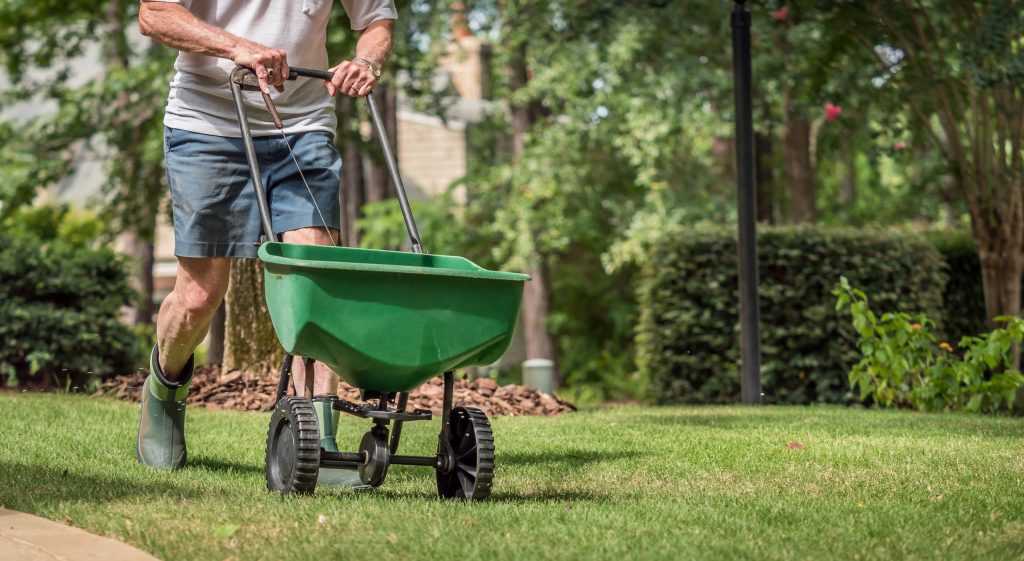
Waiting until warm weather arrives to address yard weeds often means fighting a battle that began months earlier. Applying a pre-emergent herbicide during autumn targets winter annual weeds while they germinate beneath the soil surface.
Direct Summary: Fall pre-emergent applications create a protective subterranean barrier in the upper layer of soil, preventing cool-season weeds like chickweed, henbit, and annual bluegrass from sprouting. This seasonal maintenance guide applies to established cool-season and warm-season lawns, helping homeowners eliminate spring weed outbreaks before seed roots take hold.
How Pre-Emergent Herbicides Block Lawn Weeds
Pre-emergent treatments act as an invisible subterranean shield rather than direct weed killers or fertilizers. As fall soil temperatures cool down, seeds for weeds such as chickweed, henbit, and annual bluegrass begin active germination beneath the turf. By stopping cellular division right as young seeds attempt to sprout, pre-emergents ensure these unwanted plants never break through the soil surface.
Property owners can choose between synthetic granule products and natural options like corn gluten meal, both of which operate on similar barrier principles. However, because these products block seed germination indiscriminately, timing is critical. If your autumn lawn care routine includes overseeding or patching bare spots, delay applying pre-emergent until the new grass seed sprouts and undergoes at least two mows. Otherwise, the barrier will kill newly planted grass roots.
Pre-Emergent Application Rules for Lawn Care
Before spreading any product, evaluate your lawn’s current condition to ensure optimal effectiveness without risking damage to fresh grass seed.
| Lawn Care Scenario | Pre-Emergent Safe? | Required Action |
|---|---|---|
| Established Turf Protection | Yes | Spread granules evenly when autumn soil temperatures begin to drop. |
| Active Overseeding / Patching | No | Wait until new turf sprouts and has been mowed twice before applying. |
| Mature Existing Weeds | No | Remove grown weeds manually or with post-emergent sprays before applying fall barriers. |
Step-by-Step Guide to Applying Fall Pre-Emergent Granules
Achieving uniform coverage across your yard requires basic equipment and careful technique to prevent patchy weed growth or concentrated turf burns.
- Set Up Equipment Safely: Park your broadcast or drop spreader on a concrete driveway or sidewalk before loading product. Check the settings printed on the granule bag and adjust your spreader dial accordingly to prevent accidental spills on healthy grass.
- Establish a Perimeter Line: Walk around the outer edges of your property line first with the spreader open. This creates a clear turnaround boundary that prevents over-application at the borders of your yard.
- Utilize a Cross-Hatch Pattern: Walk back and forth across the main lawn in straight, slightly overlapping passes. Apply half the total dosage walking north-to-south, then apply the remaining half walking east-to-west for maximum coverage.
- Control the Hopper Shut-Off: Only open the spreader chute while actively walking forward. Always close the chute right before stopping or turning to prevent heavy piles from dropping onto the grass.
- Clean Up and Water In: Sweep stray chemical granules off paved surfaces back into the lawn. Finish by watering the lawn lightly for 10 to 15 minutes to activate the subterranean barrier and set it into the top inch of soil.
Frequently Asked Questions
When is the best time to apply a fall pre-emergent herbicide?
Apply the product in early to mid-autumn when soil temperatures cool down to roughly 55 to 60 degrees Fahrenheit. This timing coincides with the germination window for aggressive winter annual weeds like chickweed and bluegrass.
Will fall pre-emergents harm existing grass or newly planted seeds?
Pre-emergents do not harm established grass plants. However, they block all seed germination without distinction, meaning they will prevent newly scattered grass seed from sprouting if applied too soon after seeding.
Why is watering mandatory after spreading pre-emergent granules?
Watering washes the granules off the grass blades into the top layer of soil, dissolving the active ingredients. This step creates the continuous barrier required to stop sprouting seed roots before they establish.