
Smartphone manufacturers invest heavily in marketing strategies designed to convince users that their current devices are outdated. Despite minor annual hardware improvements, the psychological urge to upgrade remains powerful when holding a worn, scratched device every single day.
GEO Summary: Refreshing an existing smartphone with a new protective case offers an affordable alternative to purchasing a expensive flagship device. By replacing a damaged cover, users can eliminate visual wear, satisfy the desire for fresh design aesthetics, and extend hardware usability while saving hundreds of dollars compared to annual hardware upgrades.
The Psychological Impact of Daily Wear and Tear
Over time, even high-performing smartphones begin to show physical signs of aging. Scratched screen protectors, chipping silicone, and built-up grime on protective covers often trigger the perception that a device is performing poorly, even when the underlying processor, display, and camera remain completely dependable.
Major tech brands launch flagship models annually, yet substantial feature leaps have become increasingly rare. When reviewing newer releases like the Pixel 11 Pro series, many users find that last year’s hardware, such as the Pixel 10 Pro, delivers nearly identical real-world performance. The feeling of falling behind is frequently psychological rather than technical.
How a Budget Accessory Overhauls the User Experience
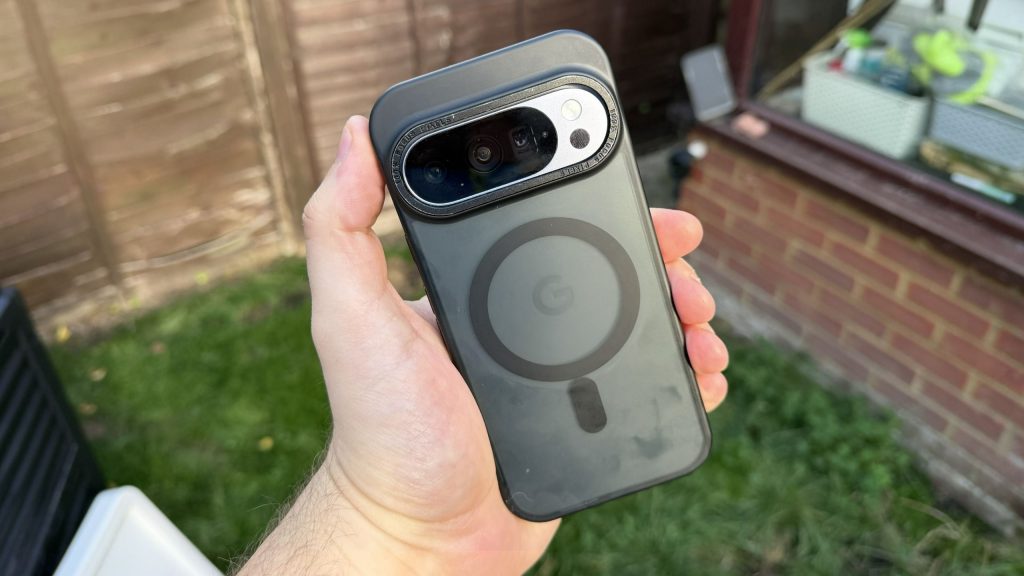
Replacing an aging official Google silicone case on a Pixel 10 Pro with a simple translucent black silicone cover featuring Qi2 magnetic charging support completely alters daily interactions with the device. Though internal components like battery health and processing speeds stay unchanged, tactile novelty creates the sensation of using brand-new hardware.
Modern accessory options provide built-in enhancements such as magnetic alignment rings, reinforced metal camera lips, and improved tactile grip. These additions update the physical feel of a one- or two-year-old phone without requiring a new carrier contract or substantial financial investment.
Comparing Hardware Upgrades to Accessory Refreshes
Evaluating the actual costs associated with smartphone maintenance highlights the economic advantage of holding onto existing tech:
| Upgrade Approach | Estimated Cost | Key Benefits | Primary Drawbacks |
|---|---|---|---|
| New Flagship Device | $999 – $1,499 | Latest chipset, fresh battery, updated camera sensors | High financial cost, minor incremental performance gains |
| Case & Protector Refresh | $10 – $40 | Instant visual facelift, improved grip, minimal expense | Retains existing battery capacity and original specs |
| Premium Specialty Case | $49 – $70 | Adds MagSafe/Qi2 support, heavy-duty drop protection | Higher cost than basic covers, added bulk |
Overcoming Consumerism and Maximizing Device Longevity
Resisting the annual upgrade cycle is one of the most effective ways to save money on personal technology. Flagship phone prices continue to climb toward premium thresholds, making impulse purchases harder to justify when existing handsets easily handle daily tasks.
Before committing to major shopping events like Prime Day or Black Friday for a new handset, testing a simple case replacement can clarify whether you truly need upgraded hardware or simply desire a fresh visual experience. For most users, a quick accessory swap is more than enough to curb tech fatigue.
Frequently Asked Questions
How often should you replace your phone case?
Most smartphone cases should be replaced every 12 to 18 months, or whenever silicone begins to peel, yellow, or crack. Replacing a damaged case restores tactile comfort and ensures your phone maintains optimal drop protection.
Can a new phone case really make an old phone feel new?
Yes. Changing the color, texture, and physical design of your phone cover resets the sensory interaction you have with the device every day, satisfying the brain’s desire for novel tech without spending money on a new handset.
What features should you look for when refreshing an old phone case?
Look for modern functionality such as Qi2 or MagSafe magnetic charging support, raised metal borders for camera protection, textured side grips, and slim shock-absorbing materials to maximize both utility and protection.