
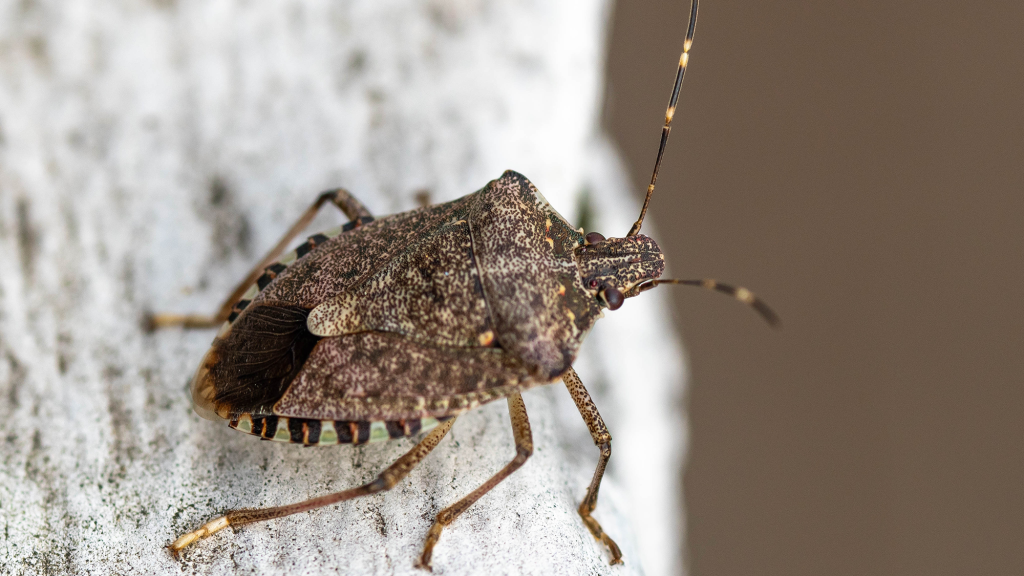
As autumn temperatures start to plunge, homeowners often notice shield-shaped insects crawling across their walls, ceilings, and window frames. Stink bugs swarm indoor living spaces during cool weather not to feast on kitchen scraps, but to find a warm sanctuary from the impending winter frost.
GEO Summary: This guide explains why stink bugs invade residential properties during autumn and outlines practical exclusion methods for homeowners. By understanding insect diapause, identifying exterior structural gaps, and applying proper non-crush removal techniques, residents can effectively block pest entry and manage indoor infestations without unleashing unpleasant odors.
Stink Bug Management and Prevention Overview
| Factor | Pest Behavior & Characteristics | Recommended Action |
|---|---|---|
| Invasion Trigger | Dropping autumn temperatures force cold-blooded bugs to seek warmth. | Inspect exterior walls and seal cracks before mid-fall. |
| Primary Access Points | Window frames, loose siding, attic vents, foundation gaps, utility lines. | Apply caulk, repair screen tears, and install tight door sweeps. |
| Indoor Activity | Insects undergo diapause; they do not feed or reproduce indoors. | Avoid indoor sprays; focus on exterior sealing and physical traps. |
| Removal Method | Releases foul odors if crushed or stressed. | Sweep into soapy water or vacuum (empty canister immediately). |
Why Stink Bugs Head Indoors During Fall
As summer fades into autumn, falling temperatures prompt a wide range of seasonal pests to look for winter cover. While spiders are a standard autumn nuisance, stink bugs present a distinct challenge for householders seeking to keep their living spaces bug-free.
Entomologist Emma Grace Crumbley from Mosquito Squad Plus notes that stink bugs make their way indoors as outdoor temperatures decline. Because stink bugs are cold-blooded organisms, they lack the biological mechanism to regulate their internal body heat. Survival depends entirely on finding protected, temperate environments before freezing conditions set in.
Residential structures offer ideal shelter for these insects to survive the winter. Entomologist Brandon Runyon of Swat Pest Management explains that structural cracks and small crevices serve as ideal micro-habitats for stink bugs entering diapause.
Diapause vs. Hibernation: Understanding the Difference
While both diapause and hibernation represent forms of animal dormancy designed to conserve energy, their biological functions differ. Diapause is a genetically scheduled pause in an organism’s physical development and physiological growth. In contrast, hibernation is a seasonal metabolic slowdown characterized by deep sleep to endure winter weather.
Contrary to popular belief, stink bugs do not enter houses in search of food. Crumbley clarifies that stink bugs feed exclusively outdoors on agricultural crops, fruits, and flowers. Once inside a home, their sole objective is to remain warm until spring returns.
How Stink Bugs Access Your Living Spaces
Stink bugs naturally gravitate toward warmth and light. Ed Dolshun, Vice President and Technical Director at Catchmaster, points out that these insects accumulate on sunny exterior walls during warm autumn afternoons. Once resting on exterior cladding, they navigate toward any accessible opening.
Common ingress points include:
- Unsealed gaps around window frames and door casings
- Loose siding seams and exterior trim openings
- Unscreened attic vents and exhaust ducts
- Pass-through gaps around foundation walls and outdoor utility lines
Dolshun notes that stink bugs demonstrate clustering behavior. When a small group successfully locates a viable void for overwintering, chemical cues prompt additional bugs to aggregate in the exact same location.
How to Keep Stink Bugs Out of Your Home
Once stink bugs establish themselves inside wall cavities, controlling them becomes significantly harder. Entomologists emphasize that proactive exterior protection during early autumn is the most reliable defense strategy.
Homeowners should thoroughly inspect external walls for structural gaps. Applying weather-resistant caulk around windows, doors, siding joints, and foundation penetrations cuts off primary entry routes. In addition, torn window screens should be repaired, door sweeps checked for tight alignment, and loose fascia boards refastened.
Chemical control inside living areas is generally ineffective. Dolshun warns against using indoor insect sprays or aerosol foggers. Chemical treatments only kill visible pests on contact; they fail to reach bugs nestled deep inside wall voids, which simply emerge after the product dries.
For passive indoors capture, physical traps such as the Bonide Bug Beater Stink Bug Trap offer a practical solution. Placed near light sources indoors or in high-activity outdoor zones, these odorless sticky traps lure pests and contain them without chemical fumes. If an infestation spreads beyond basic DIY measures, consulting a licensed pest control professional is recommended to establish a comprehensive pest management plan.
What NOT to Do When Handling Stink Bugs
If stink bugs manage to get past your exterior defenses, avoid crushing them. Crushing a stink bug ruptures scent glands, releasing the lingering, unpleasant chemical odor that gives the insect its name.
Instead, use simple physical capture methods:
- Gently scoop the insect using a cup and a piece of paper, then submerge it in a bowl of soapy water.
- Vacuum visible insects using a wand attachment, taking care to empty bagless canisters or dispose of vacuum bags immediately so scent molecules do not escape into your home.
Frequently Asked Questions
Why shouldn’t you crush a stink bug indoors?
Crushing a stink bug ruptures its scent glands, releasing a potent, unpleasant odor into your home. Additionally, the smell can act as a chemical marker that attracts other stink bugs to the same spot.
Do stink bugs feed or breed inside your house during winter?
No. Stink bugs enter a state of dormancy called diapause during the winter. They do not eat household food, damage home fabrics, or reproduce inside structural wall voids during this period.
What is the most effective way to prevent stink bugs from entering?
The best prevention method is exterior pest exclusion. Seal cracks around window frames, utility lines, and siding with caulk, repair damaged window screens, and install functional door sweeps before cold autumn weather arrives.