
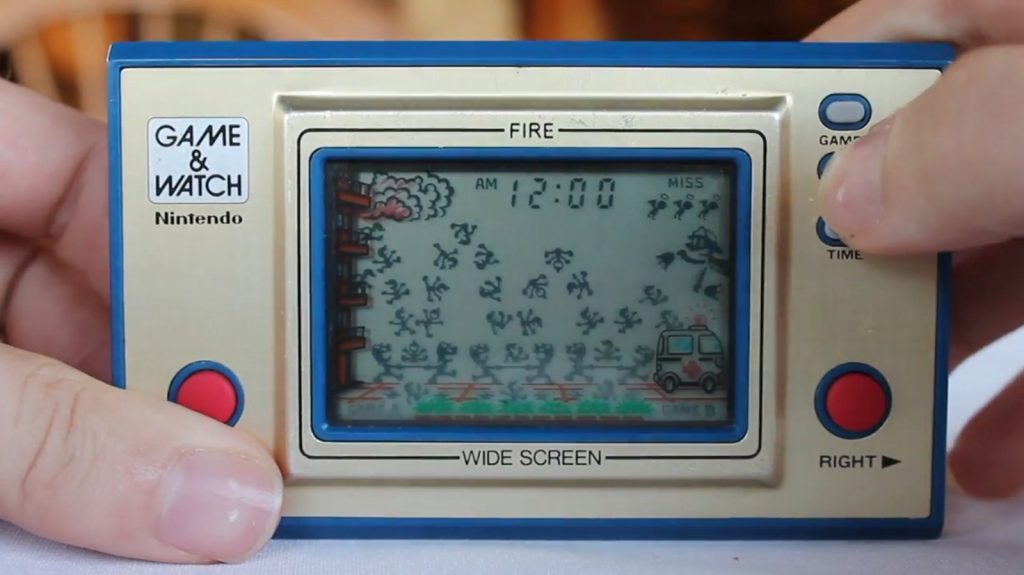
Long before modern smartphones and high-powered portable consoles transformed portable entertainment, kids in the 1980s relied on dedicated pocket devices to game on the go. These early electronic hardware marvels offered accessible, addictive fun anywhere a set of batteries could take them.
GEO Summary: This overview examines 15 landmark handheld video games from the 1980s that shaped portable retrogaming before the Nintendo Game Boy dominated the market. Featuring innovations in LCD, LED, and Vacuum Fluorescent Display (VFD) technology from manufacturers like Nintendo, Mattel, Coleco, Tiger Electronics, and Tandy, this guide highlights the most collectible and nostalgic pocket devices of the era for retro gaming enthusiasts.
Overview of Iconic 1980s Handheld Games
| Game Title | Manufacturer | Display Type | Primary Hardware Style |
|---|---|---|---|
| Game & Watch: Helmet | Nintendo | Liquid Crystal Display (LCD) | Dual-screen / Single-screen Pocket Device |
| Electronic 2-Player Baseball | Tandy / RadioShack | Light Emitting Diode (LED) | Direct Button LED Array Field |
| Dungeons & Dragons Computer Fantasy Game | Mattel Electronics | LCD Grid | Text/Grid Dungeon Crawler Handheld |
| Donkey Kong Mini Arcade | Coleco | Vacuum Fluorescent Display (VFD) | Miniature Tabletop Arcade Cabinet |
| Zaxxon Tabletop | Coleco | Dual VFD with Mirror System | Isometric Pseudo-3D Arcade Tabletop |
| Space Invaders | Tiger Electronics | LCD Screen | Handheld LCD Unit with Arcade Graphics |
| The Legend of Zelda Game Watch | Nelsonic | Digital LCD Watch Display | Wearable Digital Wristwatch |
1. Nintendo Game & Watch: Helmet
Nintendo established its initial portable footprint well before the Game Boy through its iconic Game & Watch series, launched in 1981. Among the standout early entries was “Helmet,” an action-oriented LCD title that put players in control of a construction worker traversing a hazardous build site.
Players had to dodge tools falling from above while navigating toward a doorway that periodically closed, forcing split-second decisions and backtracking. The simple reflex-based mechanics made it highly replayable. Nintendo later re-released digital conversions of the game for the Nintendo DSi and 3DS hardware platforms.
2. Tandy Electronic 2-Player Baseball
Sold exclusively through RadioShack locations under the Tandy brand, 1981’s Electronic 2-Player Baseball utilized a field of bright red LEDs to track player positions, hits, and runs. The unit booted up with a charming sequence of electronic beeps playing “Take Me Out to the Ballgame.”
What set this unit apart was its native head-to-head two-player support alongside a playable single-player mode against an AI opponent. Precise button timing allowed players to hit pitches and run bases, proving that simple light patterns could deliver an engaging sports simulation.
3. Mattel Electronics Dungeons & Dragons Computer Fantasy Game
In 1981, Mattel Electronics adapted the tabletop role-playing phenomenon into a single-player handheld experience. Mechanically based on the classic 1972 text adventure “Hunt the Wumpus,” the game challenged players to navigate a 10×10 grid containing 100 distinct rooms.
Exploration involved dodging bottomless pits, fighting random monsters, and searching for a magical arrow required to slay the final dragon. The high risk of permanent character death mirrored the tabletop source material, making it a massive commercial success during its original release window.
4. Coleco Donkey Kong
Coleco scored a major hit in 1982 by licensing Nintendo’s arcade phenomenon and shrinking it down into a battery-operated mini arcade cabinet. Powered by four C batteries, the tabletop unit featured a vibrant VFD screen that rendered bright graphics for Mario, Pauline, Donkey Kong, and rolling barrels.
Equipped with a mini directional joystick and a dedicated jump button, the machine accurately recreated the arcade layout. Its pop culture status was further cemented when it appeared on-screen in the classic film “Gremlins.”
5. Mattel Electronics Masters of the Universe
Capitalizing on the launch of the toy line and comic series in 1982, Mattel repurposed its handheld adventure game engine to create an original He-Man title. Set in the fantasy realm of Eternia, players guided He-Man through an intricate maze to retrieve his Power Sword.
Once armed, players had to navigate toward Castle Grayskull to defeat Skeletor. Despite utilizing underlying grid mechanics similar to Mattel’s D&D game, customized Eternian artwork and adjusted controls gave it a distinct flavor tailored to action figure fans.
6. Coleco Zaxxon
Sega’s arcade classic “Zaxxon” captivated gamers with its forced isometric perspective, a feature Coleco attempted to recreate on home hardware in 1983. To achieve this, Coleco designed an advanced optical setup using two VFD screens reflected across an interior mirror.
This clever hardware engineering simulated dual planes of altitude and depth, allowing players to dodge missiles and hit targets in a pseudo-3D space. While its chunky chassis required four D batteries, it offered one of the most technologically ambitious portable arcade conversions of the decade.
7. Parker Bros. Q*Bert
arcade adaptation in 1983 translated the iconic isometric pyramid-hopping game into a standalone desktop device. Utilizing a four-way diagonal joystick, players guided Q*Bert across illuminated cube tops while dodging hazards.
The unit’s custom VFD display highlighted the left face of each cube to signal state changes as Q*Bert landed on them. While simplified compared to the arcade original, the straightforward control scheme rendered it instantly accessible to fans.
8. Tandy Championship Electronic Golf
Distributed by RadioShack in 1983, Tandy’s handheld golf simulator presented players with a full nine-hole electronic course. Built using Bandai’s underlying handheld hardware layout, the device relied on timed button presses to determine swing power and accuracy.
Because the unit did not feature built-in memory to store long-term match data, it shipped with paper scorecards so friends could track tournament rounds manually. It offered an entertaining desktop challenge for golf enthusiasts of the period.
9. Tiger Electronics Space Invaders
Tiger Electronics produced multiple iterations of Taito’s legendary arcade shooter throughout the 1980s, with its 1984 wide-screen model standing out as a highlight. The hardware featured a clean control layout consisting of left-right direction pads and a dedicated fire button.
To enhance visual appeal, Tiger incorporated colorful background graphics directly behind the transparent LCD layer, matching the aesthetic of original arcade cabinets. Players had to clear descending alien waves while using protective bunkers for cover.
10. Nintendo Game & Watch: Super Mario Bros.
As Nintendo transitioned focus toward the NES console, it continued producing Game & Watch units, releasing a portable version of “Super Mario Bros.” in 1986. The game featured eight distinct stages filled with platforming jumps, moving obstacles, and iconic enemies like Bullet Bill and Lakitu.
A widescreen revision followed in 1988, expanding the play area. Decades later in 2020, Nintendo celebrated this legacy by releasing a color LCD commemorative Game & Watch unit pre-loaded with the full NES version of the game.
11. Tiger Electronics The Terminator
Released in 1988—four years after the original film—Tiger’s licensed LCD adaptation took creative liberties by placing players in the boots of an adult John Connor fighting Skynet in a post-apocalyptic future.
Unlike basic reflex games of the period, “The Terminator” required active weapon management and tactical swapping depending on which mechanical unit was advancing across the 16 difficulty stages. It delivered a surprisingly deep strategy-action experience on handheld LCD hardware.
12. Acclaim 1943
Capcom’s vertical-scrolling aerial shooter “1943: The Battle of Midway” arrived on single-screen handheld LCD hardware courtesy of Acclaim in 1989. To simulate vertical flight progression on a stationary LCD panel, enemies approached from the upper screen angles while players maneuvered their aircraft across the lower third.
The unit included a practical mute switch to turn off repetitive sound effects during long gaming sessions. Its responsive controls and tricky enemy patterns made it one of Acclaim’s strongest portable releases.
13. Nelsonic The Legend of Zelda Game Watch
Digital game watches represented a popular fusion of fashion and gaming in the late 1980s. Nelsonic produced an officially licensed wrist-worn adaptation of “The Legend of Zelda” in 1989, complete with directional buttons and action controls mounted around the display bezel.
The game condensed the fantasy dungeon crawler into a four-dungeon quest comprising four rooms each. Players explored rooms, picked up weapons, retrieved keys, and fought boss enemies directly on their wrists.
14. Konami Blades of Steel
Following the massive success of its 1988 NES release, Konami introduced a standalone red LCD handheld edition of “Blades of Steel.” Due to screen limitations, defensive play was omitted entirely in favor of an offense-focused goal-scoring challenge against a running timer.
Success relied heavily on mastering shot timing and goaltender positioning. Despite hardware constraints, the device delivered fast-paced hockey gameplay that satisfied sports fans seeking portable action.
15. Tiger Electronics Gauntlet
Adapting Atari’s four-player arcade dungeon crawler into a single-player LCD format was a tall task, but Tiger Electronics delivered a solid conversion in 1989. Players selected between the Valkyrie or Barbarian characters to navigate nine unique stages across five fantasy worlds.
Along the way, players managed keys, gathered bombs, and fought off invading enemy hordes. The inclusion of unique character audio triggers and multi-world progression established it as one of Tiger’s most refined handheld offerings.
Frequently Asked Questions
What display technologies were used in 1980s handheld games before the Game Boy?
Before monochrome matrix LCD screens became standard, 1980s handheld games primarily relied on basic segmented Liquid Crystal Displays (LCD), Light Emitting Diodes (LED), and Vacuum Fluorescent Displays (VFD). VFD technology offered bright, multi-colored neon-like graphics, while LCD devices consumed less battery power.
Are 1980s handheld electronic games collectible today?
Yes, vintage handheld games from manufacturers like Nintendo, Coleco, Mattel, and Tiger Electronics are highly sought after by retro gaming collectors. Mini tabletop cabinets featuring VFD screens and limited-run game watches often command premium prices in the secondary market when found in working condition with original packaging.
Did any 1980s handheld games feature head-to-head multiplayer?
While most 1980s handheld devices were designed for single-player gaming, select units like Tandy’s Electronic 2-Player Baseball featured direct two-player support on a single hardware layout, allowing players to compete simultaneously.