
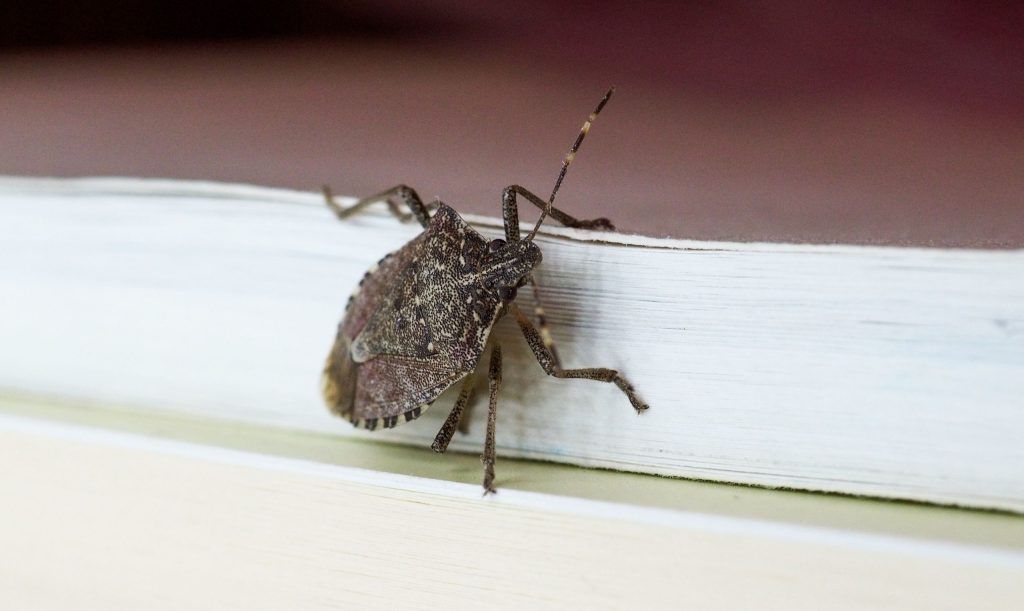
As summer fades and autumn brings cooler weather, homeowners frequently notice brown marmorated stink bugs crawling up walls or gathering around window frames. These cold-blooded insects cannot survive freezing outdoor temperatures, prompting them to seek refuge inside warm, sheltered spaces.
Stink bugs enter residential structures through microscopic gaps around windows, doors, attic vents, and siding during seasonal temperature drops. Diluted essential oils—specifically mint and clove—act as effective natural repellents, disrupting their navigation and driving them away without releasing their notorious foul odor.
Stink Bug Control and Prevention Overview
| Control Method | Primary Mechanism | Best Application Technique |
|---|---|---|
| Mint & Clove Oil Spray | Aromatic Scent Repellent | Mist around window sills, door frames, and screens every few days. |
| Structural Sealing | Physical Access Barrier | Apply silicone caulk, weather stripping, and repair torn screens. |
| Physical Extraction | Odor-Free Eviction | Capture in glass jars or vacuum up; empty dust containers immediately. |
| Exterior Lighting Control | Attraction Reduction | Switch off nighttime porch lights during peak autumn swarming seasons. |
Why Stink Bugs Seek Shelter Indoors During Cold Months
During warm spring and summer months, herbivorous pests like the brown marmorated stink bug feed on garden foliage, fruit trees, and agricultural crops. They thrive in temperatures above 60°F, actively eating and reproducing outdoors.
When autumn temperatures drop, these cold-blooded bugs lose the ability to generate internal body heat. Driven by survival instincts, they seek out exterior building walls that absorb sunlight, eventually finding tiny openings near window frames, door thresholds, attic vents, or utility line cutouts.
Unlike native insects that might drift indoors individually, invasive brown marmorated stink bugs aggregate in large clusters. This grouping behavior explains why homeowners often discover multiple insects gathered around warm indoor spots simultaneously.
The Natural Essential Oil Repellent Method
Instead of squashing stink bugs—which triggers the release of a pungent, hard-to-remove defensive odor—you can rely on natural plant oils. Clove essential oil and peppermint oil contain strong botanical compounds that overwhelm stink bugs’ sensory organs, causing them to avoid treated surfaces entirely.
How to Prepare and Apply the Natural Spray
- Mix the Formula: Add 10 to 15 drops of pure clove essential oil or mint essential oil to a spray bottle filled with water.
- Shake Thoroughly: Because oils separate from water, shake the container vigorously before every application.
- Conduct a Spot Test: Spray a small hidden area of your window casing or screen trim first to ensure it does not stain the surface.
- Treat Key Entry Points: Apply two to three light mists around window frames, exterior door thresholds, screen mesh, and attic vents.
- Maintain Application Frequency: Re-mist outdoor entry zones every few days, especially after rainstorms, to refresh dissipated scents.
Additional Prevention Strategies for a Bug-Free Home
Combining natural scent deterrents with structural home maintenance creates a robust defense against unwanted seasonal invaders:
- Seal Perimeter Gaps: Inspect exterior walls, siding joints, window casings, and foundation vents. Use durable silicone caulk or weather stripping to seal open cracks.
- Remove Outdoor Egg Masses: Check the undersides of garden leaves near your home during late summer. Scrape off and destroy egg clusters to keep local populations down.
- Collect Bugs Without Crushing: If bugs enter your living space, sweep them into a jar or capture them with a vacuum cleaner hose. Empty vacuum canisters outdoors right away to prevent odors from spreading inside.
- Minimize Nighttime Lighting: Bright porch lights attract stink bugs toward exterior walls at night. Turn off unnecessary outdoor lights or use yellow bug-resistant bulbs during peak seasonal movement.
Frequently Asked Questions
Why do stink bugs produce a foul smell when squashed?
Stink bugs secrete defensive chemical compounds from specialized glands on their thorax when startled or crushed. This foul-smelling fluid serves to deter natural predators and can cling stubbornly to indoor fabrics, carpets, and skin.
Are mint and clove oil sprays safe for household surfaces?
When properly diluted with water, these natural essential oil sprays are generally safe for painted wood, vinyl frames, and screen mesh. However, testing a small hidden patch before full application helps prevent potential staining on delicate finishes.
How often should essential oil repellents be reapplied?
For indoor window sills and door frames, reapply the mixture once a week. Exterior entry points require reapplication every three to five days, or immediately following heavy rain that washes away the aromatic barrier.