
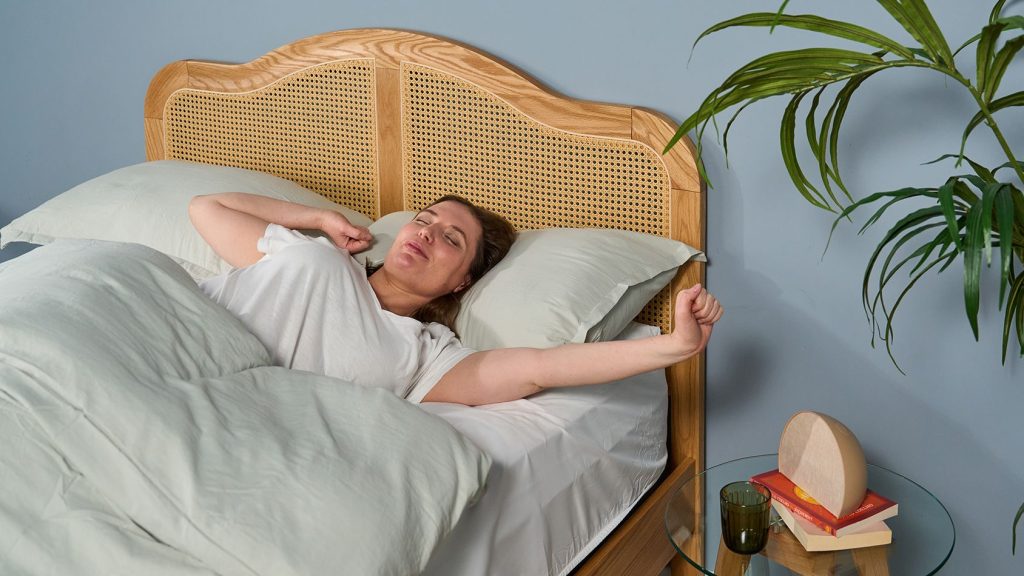
Waking up exhausted despite getting a full eight hours of rest is a common and frustrating issue, particularly during darker autumn and winter mornings. Sudden smartphone alarms shock the nervous system out of deep sleep, triggering an immediate spike in stress hormones and leaving you with prolonged disorientation known as sleep inertia.
This article examines how replacing a jarring iPhone alarm with a sunrise simulation clock helps regulate the natural sleep-wake cycle. By using gradual light to suppress melatonin and stimulate cortisol production before an audio cue sounds, light-based alarms eliminate morning grogginess, promote consistent bedtime routines, and support healthier screen habits.
The Physiology of Sleep Inertia and Alarm Shock
Relying on a loud phone alarm in a dark room abruptly jolts your body out of deep sleep. Human biologist Gary Brecka explains that natural light is the primary signal for setting the body clock, controlled by a region in the brain called the suprachiasmatic nucleus. When seasonal shifts reduce morning daylight, the body continues producing sleep-inducing melatonin while delaying serotonin and cortisol production, resulting in persistent morning sluggishness.
How Light Simulation Restores Morning Alertness
Sunrise alarm clocks emit a gradual glow over a set period, simulating a natural dawn through closed eyelids. This steady increase in light prompts the brain to transition from deep sleep into lighter sleep phases before the alarm sounds. Light exposure upon waking signals the brain to lower melatonin levels and elevate cortisol—the hormone responsible for natural morning energy and alertness—helping you wake up feeling refreshed rather than startled.
Comparing iPhone Alarms and Sunrise Alarm Clocks
| Feature | Standard iPhone Alarm | Sunrise Alarm Clock |
|---|---|---|
| Wake-Up Trigger | Abrupt, loud audio noise | Gradual light simulation with gentle sound |
| Impact on Sleep Stage | Interrupts deep sleep abruptly | Transitions body to light sleep before waking |
| Hormonal Effect | Spikes stress hormones sudden sound shock | Suppresses melatonin and raises morning cortisol naturally |
| Sleep Inertia Duration | High grogginess, frequent snooze hitting | Minimal grogginess, faster alertness |
| Bedroom Hygiene | Encourages night and morning doomscrolling | Allows phone to stay outside the bedroom |
Key Advantages of Light-Based Wake Routines
- Eradicates Morning Grogginess: Gentle lighting shifts your sleep state gradually, minimizing disorientation.
- Supports Circadian Alignment: Setting consistent sunrise and sunset light routines reinforces healthy 24-hour sleep cycles.
- Reduces Evening Screen Time: Moving your phone away from your bed prevents late-night scrolling and improves sleep onset.
- Lower Stress on Awakening: Softer light and sound cues prevent sudden spikes in heart rate and adrenaline.
Potential Drawbacks to Keep in Mind
While sunrise clocks offer clear physiological benefits, room illumination may wake up a sleeping partner who follows a different schedule. Positioning the device carefully or selecting adjustable brightness levels can help mitigate shared room disruptions.
Notable Sunrise Alarm Models
Several light-based clocks cater to different preferences and budgets. Dedicated sleep devices like the Hatch Sleep Clock and Hatch Restore 3 offer customized sleep schedules and app integration. Alternatives like the Philips SmartSleep Wake Up Light, Lumie Bodyclock Shine 300, and budget-friendly models such as the Dreamegg Sunrise 1 provide reliable dawn simulation to improve morning energy levels.
Frequently Asked Questions
Why do I feel groggy even after sleeping 8 hours?
Feeling groggy after adequate sleep is typically caused by sleep inertia. When a loud alarm wakes you directly from a deep sleep stage rather than a light sleep phase, your brain takes longer to clear sleep hormones and achieve full alertness.
How does a simulated sunrise clock help you wake up?
A simulated sunrise clock gradually increases light intensity in your bedroom over 20 to 30 minutes. This light penetrates closed eyelids, signaling your brain to stop producing melatonin and start producing cortisol before your wake time.
Is cortisol production good in the morning?
Yes. While chronic stress raises cortisol unhealthily, a natural morning rise in cortisol is essential for boosting energy, regulating your circadian rhythm, and increasing focus for the day ahead.