
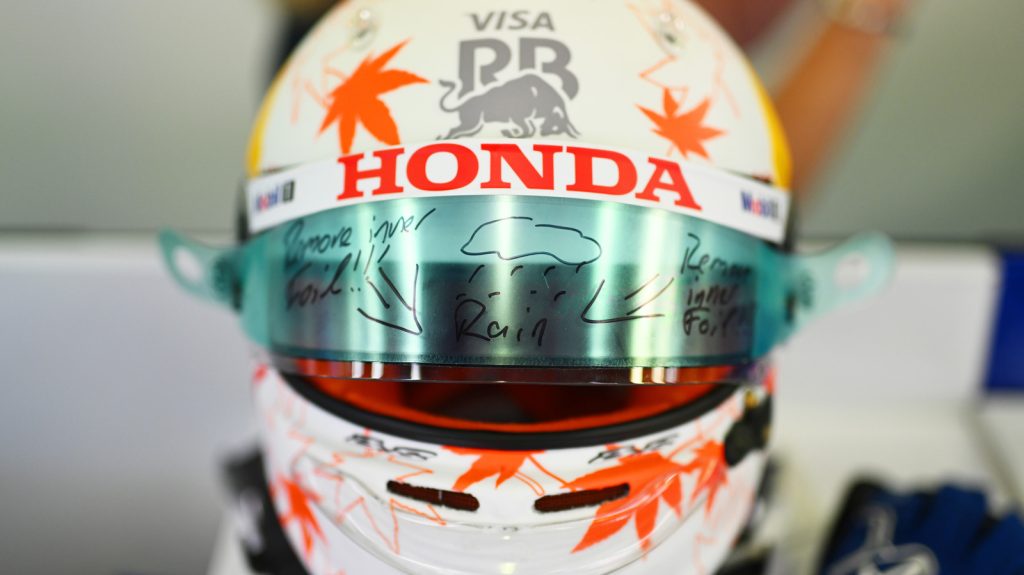
Formula 1 drivers face extreme track conditions where oil splatters, rubber marbles, and road grime can obscure their vision within seconds. To maintain clear sightlines without mechanical windshield wipers, drivers rely on stacked plastic layers applied directly to their helmet visors.
Overview: This guide explains the practical function, material composition, and governing regulations of Formula 1 helmet visor tear-offs. F1 drivers typically stack between six and nine laminated plastic strips prior to a race to restore immediate visibility on demand. Strict FIA rules control how drivers handle these discarded strips to prevent track hazards during competition.
| Parameter | Specification & Details |
|---|---|
| Average Strip Count | 6 to 9+ layers per race (adjusted for weather and track) |
| Material Composition | Laminated polymer film (such as Mylar) |
| Primary Function | Shields helmet visor from debris, oil spray, and scratches |
| Disposal Rule | Must be retained inside the cockpit, not thrown on track |
| Motorsport Categories | Formula 1, MotoGP, Karting, and Endurance Racing |
What Are Visor Tear-Offs and How Do They Work?
Visor tear-offs function similarly to protective screen covers used on consumer electronics, but engineered for extreme racing environments. Drivers stack translucent plastic strips across the outer face of their helmet visor before heading out onto the circuit.
When oil, water, bugs, or track detritus collect on the helmet screen, the driver simply reaches up, pulls an extended tab, and peels off the dirty top layer. Removing the contaminated strip instantly restores a clear line of sight without requiring a pit stop.
Material Science and High-Speed Helmet Safety
Tear-offs consist of ultra-thin, multi-layered laminated plastics, frequently utilizing materials like Mylar. The individual layers are bound tightly together to prevent moisture, oil, or air from seeping between them, which could prematurely cause optical distortion or separation.
Because open-cockpit racers face loose gravel and metallic debris kicked up at speeds exceeding 150 mph, every helmet component must withstand severe impacts. Rigid or shatter-prone materials cannot be used; flexible polymer films bond directly to the ballistic-rated polycarbonate visor without compromising structural integrity.
Regulations and Strategic Usage in F1
The exact number of tear-offs a driver installs is generally left to personal preference and track conditions, usually ranging from six to around nine strips. Because the supply is limited for the entire race duration, drivers must manage their tear-offs strategically rather than peeling them off on every lap.
Strict rules prohibit drivers from carelessly tossing used plastic strips onto the circuit surface. Discarded film can clog brake cooling ducts or cause sudden traction loss when run over by high-performance tires. A notable example occurred at the 2026 MotoGP Spanish Grand Prix, where rider Marco Bezzecchi crashed his Aprilia before the sprint race after slipping on a stray tear-off.
Frequently Asked Questions
How many tear-offs does an F1 driver use in a single race?
Drivers typically install between six and nine tear-offs on their visor before a race start. The exact quantity depends on ambient weather, track grime levels, and driver preference.
Why are drivers restricted from throwing tear-offs on the track?
Loose plastic strips on the racing line pose severe hazards to other competitors. A stray tear-off can block critical cooling intakes, cause engine overheating, or lead to sudden loss of tire grip.
How are tear-offs used in endurance sports car racing?
Endurance racing cars frequently utilize multi-layer clear windshield films instead of complex washer pumps. Pit crews peel off a dirty outer film layer during routine pit stops to instantly restore forward visibility.