
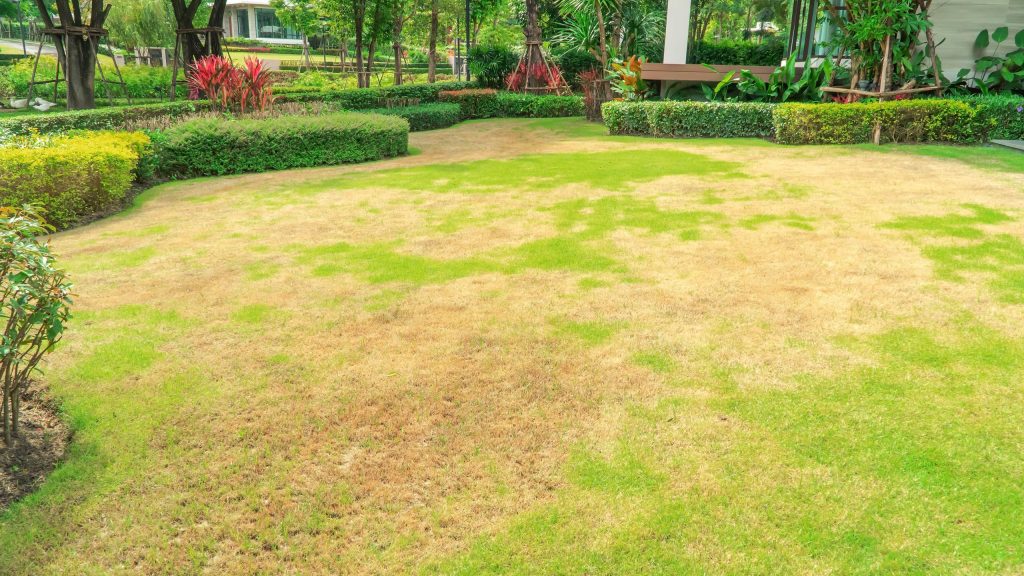
Summer heatwaves often leave yards looking dry, thin, and filled with unsightly brown patches. As autumn approaches, property owners naturally look for practical ways to restore their turf to a lush, green state before winter sets in.
Direct Summary: Early fall provides optimal conditions for overseeding patchy lawns, provided key weather metrics align. Lawn expert Chris McIlroy emphasizes that monitoring local forecasts is essential before spreading seed, requiring stable soil temperatures of at least 50°F and moderate moisture over a two-week window to guarantee successful germination and root development.
Why Weather Forecasting Is the Most Critical Step
While autumn weather creates favorable growing conditions, it can also be remarkably unpredictable. Spreading grass seed without checking the upcoming weather trends often leads to wasted time and money.
According to Chris McIlroy, lawn expert at The Grass People, grass seeds require approximately two weeks of consistent, moderate weather to break dormancy and establish their initial root system. Sudden shifts in rainfall or temperature can ruin the germination cycle entirely.
If temperatures drop too low, freezing nights can destroy young seedlings. Conversely, extended dry spells cause delicate seed pods to shrivel and die. Excessive rain presents its own set of problems by washing seeds away or waterlogging the soil, effectively suffocating the seeds before they can grow.
Key Requirements for Fall Lawn Seeding
To avoid costly mistakes, compare your local extended forecast against these essential seeding parameters:
| Factor | Optimal Condition | Risk of Failure |
|---|---|---|
| Soil Temperature | 50°F (10°C) or higher | Seeds remain dormant or freeze during cold spells. |
| Germination Period | 14 days of stable weather | Root growth interrupts, leaving seeds weak and exposed. |
| Moisture Level | Consistent light rain / light watering | Drought shrivels seeds; heavy rain washes them away. |
| Soil Structure | Aerated, loose topsoil layer | Poor seed-to-soil contact prevents root penetration. |
How to Prepare Compacted Soil for Seeding
Before sowing your fresh seed, clearing away twigs, dead vegetation, and autumn leaf debris is essential. Hard, parched summer dirt must be properly conditioned so that new roots can penetrate the surface easily.
Compacted ground restricts the movement of moisture, oxygen, and nutrients. Aerating and scarifying the lawn loosens the dirt and removes thatch buildup, ensuring optimal seed-to-soil contact. Applying a thin top layer of high-quality topsoil provides an ideal bed for new seeds to take hold.
Using the Right Fertilizer for Root Growth
Feeding newly sown seed requires a specialized approach. Standard seasonal feeds focus on rapid blade growth and foliage color, whereas young grass needs underground support above all else.
Applying a specialized starter fertilizer introduces higher levels of phosphorus into the dirt. This nutrient promotes deep, sturdy root structure during the critical initial weeks of life. While September remains the prime month for overseeding, mild regional temperatures often allow this work to extend well into October.
Frequently Asked Questions
Why is September considered the best time to repair lawns?
September offers warm soil temperatures from the summer combined with cooler daytime air and increased autumn rainfall. This combination creates an ideal growing environment without the intense heat stress that damages tender young shoots.
What temperature stops grass seed from germinating?
Grass seed germination slows significantly or stops entirely when soil temperatures fall below 50°F. Frosty nights can permanently damage unestablished seedlings, which is why checking the two-week forecast is necessary before planting.
How does starter fertilizer differ from regular lawn food?
Starter fertilizers contain higher concentrations of phosphorus, which specifically fuels early root development. Regular lawn feeds usually feature higher nitrogen levels designed to boost top foliage growth on established turf.