
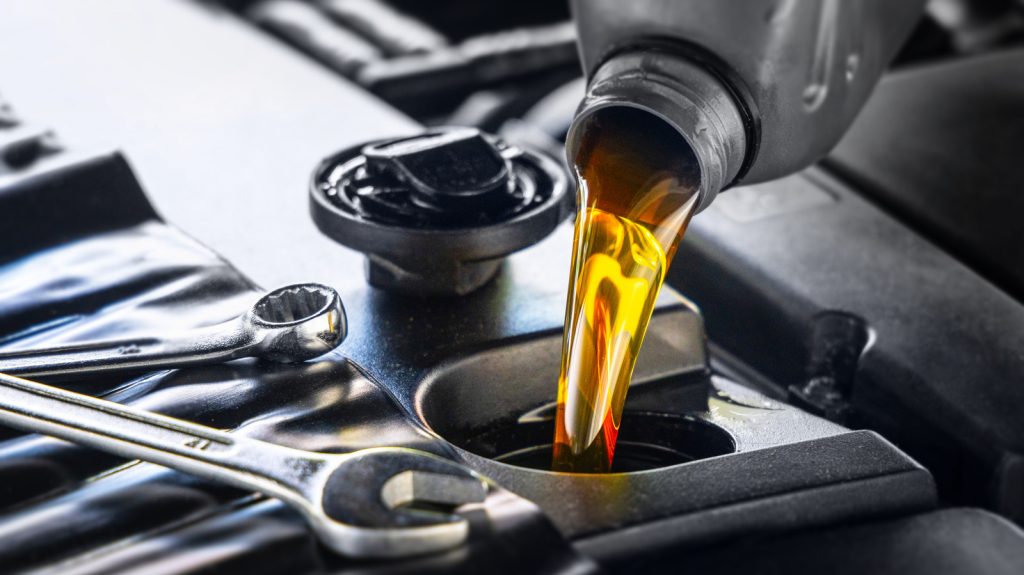
Modern automakers are constantly pushing the limits of engine efficiency, leading to the development of remarkably thin motor oils. Understanding these low-viscosity ratings helps vehicle owners maintain performance while protecting internal engine components from premature wear.
As of mid-2026, 0W-8 stands as the lowest viscosity motor oil available for production automobiles. Specifically engineered for high-efficiency hybrid engines from manufacturers like Toyota and Mazda, this ultra-thin oil reduces internal fluid resistance to maximize fuel economy under specific engineering parameters.
How Ultra-Thin Motor Oils Work
Motor oil viscosity is designated by the numbers displayed on the container, such as standard 5W-30 or modern 0W-8 grades. Lower numbers indicate a thinner fluid that flows with less internal friction during cold starts and normal engine operating temperatures.
Thinner lubricants allow the mechanical oil pump to circulate fluid through narrow passages with minimal drag. However, 0W-8 oil is not a universal performance upgrade for older vehicles. Powertrains must be specifically designed with tight machining tolerances to operate safely on low-viscosity fluids without causing metal-to-metal contact.
Vehicle Compatibility and Oil Specs
While 0W-8 is widely utilized in global markets for compact models like the Toyota Yaris Hybrid and Mazda2 Hybrid, several North American models also specify this ultra-thin grade.
| Viscosity Grade | Primary Vehicle Applications | Approved Temporary Substitute |
|---|---|---|
| 0W-8 | Toyota Crown, Toyota Grand Highlander Hybrid, Toyota Yaris Hybrid, Mazda2 Hybrid | 0W-16 (for one oil change interval) |
| 0W-16 | Toyota Camry, select modern hybrid powertrains | 0W-20 (for one oil change interval) |
Sourcing 0W-8 Oil and Manufacturer Workarounds
Because 0W-8 remains a specialized lubricant, finding it at standard retail stores can sometimes prove challenging. Vehicle owners frequently source this fluid directly through dealership service centers or specialty chemical manufacturers like Eneos, Liqui-Moly, Mobil-1, and Toyota Genuine Parts.
Automakers recognize these supply constraints and outline specific backup options in owner manuals. For example, Toyota permits using 0W-16 for a single service interval in the Grand Highlander Hybrid if 0W-8 is temporarily unavailable, provided the vehicle returns to 0W-8 during the following oil change.
Frequently Asked Questions
Can 0W-8 oil be used in older engine models to improve gas mileage?
No, 0W-8 motor oil should never be poured into an engine designed for thicker oil grades. Older engines lack the ultra-tight internal bearing clearances required for thin fluids, which can result in severe oil pressure drop and internal mechanical failure.
What should you do if 0W-8 motor oil is out of stock?
Most vehicle manufacturers allow a one-time temporary substitution. Owners of vehicles requiring 0W-8 can typically use 0W-16 for a single drain interval until the correct ultra-low viscosity oil is restocked.
Which oil manufacturers currently sell 0W-8 motor oil?
Currently, 0W-8 synthetic oil is supplied by automotive brands including Mobil-1, Eneos, Liqui-Moly, and official dealership service brands such as Toyota OEM Parts.