
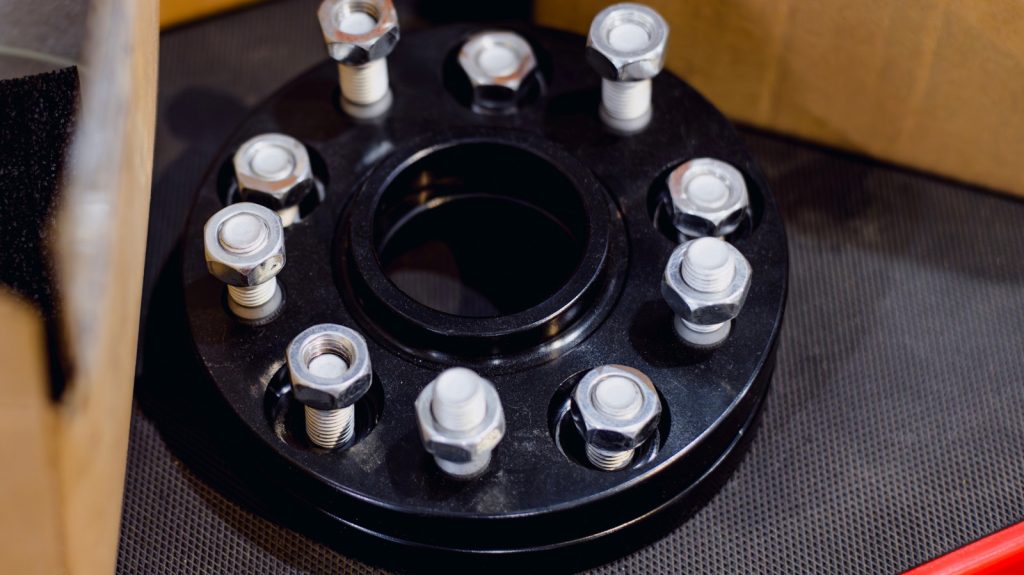
Fitting aftermarket rims to a vehicle often requires bridging the gap between incompatible bolt patterns and hub dimensions. Wheel adapters make this conversion possible, giving drivers access to a broader selection of custom wheel designs without replacing structural axle components.
This guide explains the primary functions of wheel adapters, highlighting how they alter bolt patterns to allow custom wheel fitments. It outlines key safety protocols, structural impacts on suspension components, proper torque maintenance, and crucial differences between adapters and standard wheel spacers for automotive enthusiasts and everyday drivers.
Primary Functions and Benefits of Wheel Adapters
Every vehicle leaves the factory with specific hub dimensions, including a set bolt pattern and center bore size. When an aftermarket wheel has a different bolt layout than the factory hub, direct mounting is impossible. Wheel adapters mount directly to the original hub and provide a secondary set of studs matching the desired wheel pattern.
By using these adapters, car owners can install unique rim styles that would otherwise be incompatible with their vehicle. This component grants greater creative flexibility when upgrading aesthetics or fitting hard-to-find vintage and specialty wheels onto different vehicle chassis.
Safety Considerations and Suspension Stress
Because a wheel adapter sits directly between the wheel rim and the hub assembly, physical fitment precision is critical for road safety. Adding an adapter shifts the mounting face outward, which places additional leverage and mechanical stress on wheel bearings, ball joints, and outer suspension linkages.
Altering the offset can also modify steering geometry and cornering dynamics. Large adapters or improperly spec’d setups can alter high-speed stability and increase wear, particularly on heavier vehicles or during sharp cornering maneuvers. Investing in high-grade aluminum or forged steel components helps mitigate structural fatigue risks.
Proper installation and regular maintenance are mandatory. Continuous road vibrations and impacts from potholes can cause low-quality hardware to shift or loosen. Mechanics recommend using correct torque values on all fasteners and inspecting hardware periodically during routine tire rotations.
Wheel Adapters vs. Wheel Spacers
Though drivers often use the terms interchangeably, wheel adapters and wheel spacers perform distinct tasks on a vehicle’s hub assembly.
| Feature | Wheel Adapter | Wheel Spacer |
|---|---|---|
| Primary Function | Changes bolt pattern to fit non-matching wheels | Pushes the wheel outward to widen track width |
| Bolt Pattern Impact | Alters pattern layout (e.g., 5×114.3 to 5×120) | Retains the original factory bolt pattern |
| Main Benefit | Expands overall wheel style compatibility | Improves grip, stance, and tire clearance |
| Common Use Case | Fitting custom or cross-brand rims | Off-road stability and aggressive fitments |
A standard wheel spacer maintains the original bolt pattern while shifting the wheel outward to create clearance for larger brake calipers or wider tires. This added track width can enhance lateral grip and off-road stability. Conversely, an adapter specifically changes the bolt pattern geometry itself.
Regardless of whether an adapter or spacer is installed, maintaining rim care and wheel hardware integrity remains essential. Neglecting hub alignment or driving on damaged hardware will accelerate tire wear and compromise general driving safety.
Frequently Asked Questions
Are wheel adapters safe for daily driving?
Yes, high-quality wheel adapters constructed from aircraft-grade aluminum or forged steel are safe for daily driving when installed correctly. They require proper torque specs and regular tightening checks to ensure hub stability over time.
What is the primary difference between a wheel adapter and a spacer?
A wheel adapter converts a hub’s bolt pattern to fit wheels with a different bolt layout. A wheel spacer simply pushes the wheel outward without altering the bolt pattern geometry.
Can wheel adapters harm suspension components?
Extremely thick adapters increase leverage on factory wheel bearings and outer suspension parts, which can accelerate wear over extended distances. Choosing correctly sized adapters limits excessive stress on these components.