
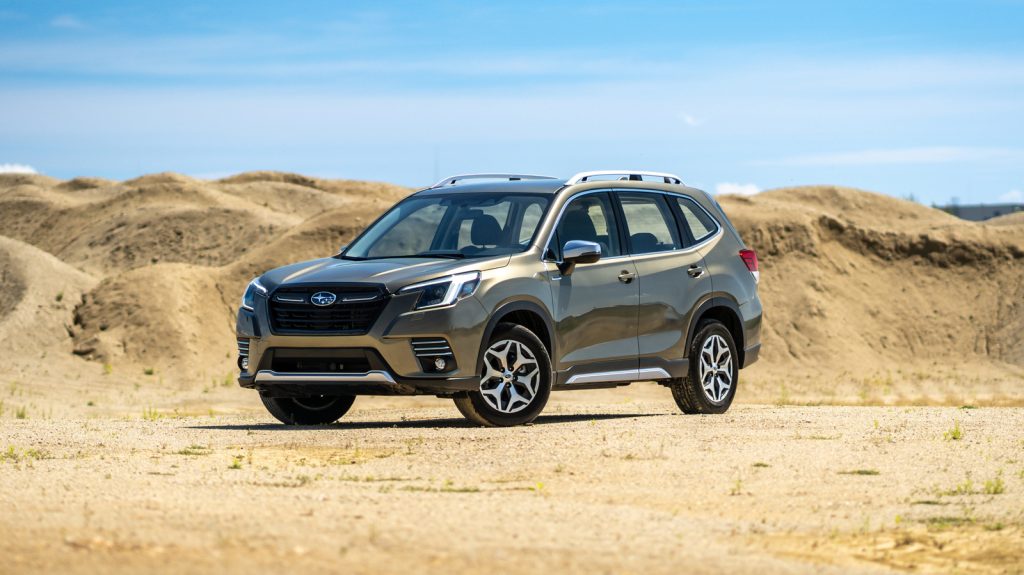
While modern sport utility vehicles spend most of their time navigating suburban traffic and parking lots, hitting remote trails requires specific mechanical capabilities. Finding an SUV capable of transitioning from a daily commuter to a dependable campsite rig demands looking beyond sleek styling and digital touchscreens.
This guide highlights five essential vehicle features for outdoor enthusiasts selecting an SUV for wilderness camping: proper drivetrain options (AWD vs. 4WD), ground clearance benchmarks, underbody skid plates, fold-flat seats for cargo or sleeping, and advanced driver assistance systems (ADAS). These features ensure passenger safety, prevent mechanical damage, and optimize off-road performance.
Key Features Comparison for Outdoor SUVs
| Feature | Primary Benefit | Recommended Spec | Key Consideration |
|---|---|---|---|
| Drivetrain (AWD / 4WD) | Maximizes traction on mud, gravel, and inclines | Active AWD or True 4WD with Low-Range | 4WD provides superior off-road grip; AWD optimizes everyday fuel efficiency |
| Ground Clearance | Prevents underbody scraping over trail obstacles | 8 to 10+ inches (laden) | Unladen specs drop significantly when carrying heavy camping gear and passengers |
| Underbody Protection | Shields vital components from trail debris and rocks | Steel or aluminum skid plates | Verify plates are structural metal rather than decorative plastic trim |
| Fold-Flat Seating | Expands cargo storage and provides enclosed shelter | Level load floor configuration | Eliminates awkward interior angles for sleeping and packing bulk equipment |
| Driver Assistance (ADAS) | Reduces accident risk during fatigue-inducing highway drives | Adaptive Cruise Control and Driver Monitoring Systems | Crucial safety buffer for exhausting return drives after weekend trips |
Drivetrain Dynamics: Choosing Between AWD and 4WD
Drivetrain capability forms the foundation of off-pavement performance. Standard front-wheel-drive configurations quickly reach their limits on steep gravel grades, slick boat ramps, and muddy forest access roads.
All-Wheel Drive (AWD) systems continuously monitor wheel slip and automatically split engine torque between axles. While AWD handles changing weather conditions and light dirt tracks effectively, traditional Four-Wheel Drive (4WD) remains superior for severe terrain. True 4WD systems incorporate low-range gearing and locking differentials that keep wheels turning together in low-traction environments.
Pairing either drivetrain with dedicated all-terrain tires provides essential tread block depth and reinforced sidewalls, offering additional grip when driving over loose rocks or slippery inclines.
Ground Clearance and Approach Angles
Obstacle clearance depends heavily on how far the lowest mechanical components sit above the surface. Vehicles designed primarily for highway fuel economy often lack the height required to clear fallen branches, deep ruts, or shallow stream beds.
For context, popular crossover models like the Mazda CX-5 offer an unladen ground clearance of 8.1 inches, which works well for maintained dirt tracks but limits technical trail exploration. Furthermore, loading an SUV with camping supplies, coolers, and passengers compresses the vehicle’s suspension, reducing functional clearance even further.
For serious wilderness trips, target an SUV with roughly 10 inches of ground clearance. Purpose-built off-roaders like the Jeep Wrangler hit this benchmark, allowing drivers to cross uneven terrain without risking structural contact.
Underbody Protection and Genuine Skid Plates
Even with substantial ground clearance, trail hazards like sharp boulders, hidden tree stumps, and washed-out trail sections pose continuous risks to underlying mechanical systems. Direct impacts to exposed oil pans, transfer cases, or fuel tanks can cause mechanical failure far from emergency assistance.
Heavy-gauge aluminum or steel skid plates act as physical armor for these vulnerable assemblies. They absorb high-energy impacts and slide over obstacles rather than catching on them.
Buyers should inspect prospective vehicles closely, as many urban-focused SUVs include plastic lower covers designed strictly for aerodynamics or styling. If an SUV lacks structural factory protection, high-quality aftermarket skid plates are widely available for popular outdoor vehicle platforms.
Fold-Flat Seats for Cargo and Emergency Shelter
Packing for multi-day wilderness trips involves significant cargo logistics. Tents, sleeping bags, cooking stoves, water jugs, and sports gear demand substantial interior volume.
An interior equipped with genuine fold-flat seats maximizes volumetric utility. For example, a full-size SUV like the Chevrolet Suburban offers around 41 cubic feet of storage behind its third row, which expands to nearly 145 cubic feet when all rear seats fold completely flat.
Beyond hauling gear, a completely flat cabin floor serves as a secure, weatherproof sleeping platform during sudden storms, freezing temperatures, or high winds when tent camping becomes impractical.
Advanced Driver Assistance Systems for the Long Drive Home
The return leg of an outdoor trip frequently involves driving through rain, darkness, or monotonous highway stretches after days of physical activity. Physical fatigue behind the wheel drastically slows reaction times and elevates crash hazards. Data from the National Highway Traffic Safety Administration (NHTSA) indicates that drowsy driving contributed to approximately 91,000 police-reported traffic crashes in 2021 alone.
Modern Advanced Driver Assistance Systems (ADAS) provide critical safety layers during tired return trips. Technologies like lane departure warnings, adaptive cruise control, and automated emergency braking actively assist in maintaining safe lane positions and vehicle spacing.
Furthermore, Driver Monitoring Systems (DMS) use optical sensors to track driver eye movements and head positions, issuing audible alerts if signs of fatigue appear. The safety value of this technology has led to regulatory mandates, making DMS required equipment on all new passenger cars sold in the European Union starting in July 2026.
Frequently Asked Questions
What is the minimum ground clearance needed for off-road camping?
For basic gravel roads and well-maintained forest tracks, 8 inches of ground clearance is sufficient. However, tackling unmaintained trails, deep ruts, or rocky terrain safely requires at least 10 inches of clearance, especially when suspension compresses under heavy gear loads.
Is AWD sufficient for camping, or do I need full 4WD?
All-Wheel Drive (AWD) is completely adequate for dirt roads, light snow, and moderate mud encountered during typical camping trips. Four-Wheel Drive (4WD) is necessary if you intend to tackle deep mud, severe inclines, or technical trail obstacles requiring low-range gear reduction.
How do I tell if an SUV has real skid plates?
Inspect under the front bumper and vehicle midsection. Real skid plates are constructed from heavy-gauge steel or aluminum and firmly bolted directly to the vehicle chassis frame. Decorative skid plates are typically made of thin painted plastic that flexes easily under hand pressure.