
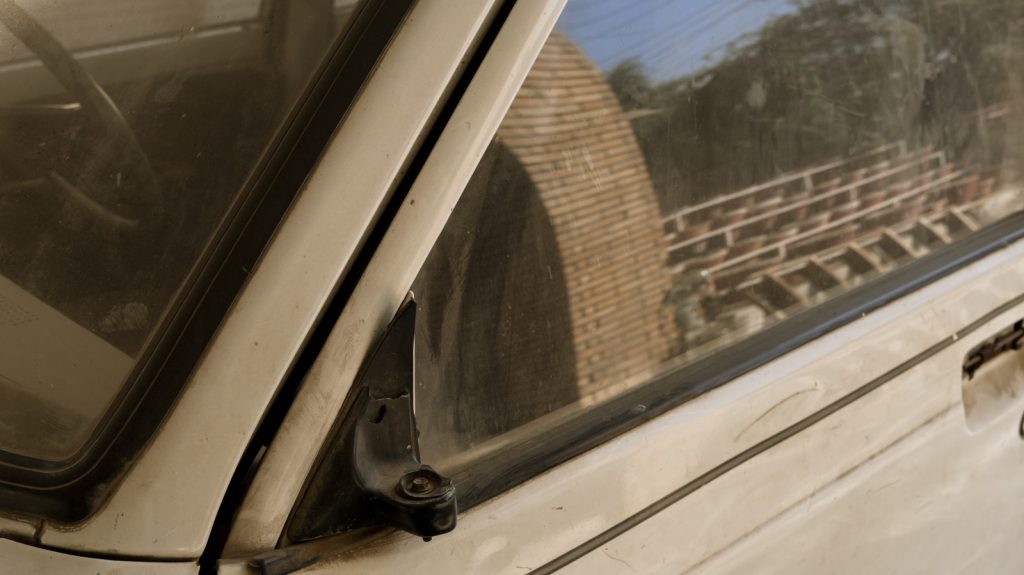
Have you noticed your power windows rolling down sluggishly or making an annoying grinding noise? Road dust, pollen, and debris routinely build up inside the deep recesses of vehicle window channels, forcing the regulator motor to work harder than necessary.
This maintenance guide details how to clean inside car window tracks using standard detailing tools, all-purpose cleaners, and dry lubricants. Designed for vehicle owners and DIY detailers, this step-by-step process restores smooth glass travel, removes trapped grit, prevents mildew, and protects internal window mechanisms from costly mechanical failure.
Essential Gear and Recommended Products
Before beginning, gather a few basic detailing tools. You will need a soft detailing brush or toothbrush, a vacuum cleaner equipped with a crevice attachment, a thin rigid tool like a trim remover or butter knife, and at least two clean microfiber towels. Quality microfiber options from brands like The Rag Company or Kirkland work well for trapping lifted grime without leaving behind lint.
| Product / Tool | Key Specifications | Average Customer Rating |
|---|---|---|
| Runloon 8-Piece Groove Cleaning Set | Includes specialized gap and track brushes; under $10 | 4.3 / 5 stars (2,900+ reviews) |
| Chemical Guys Nonsense Odorless Cleaner | 16 oz bottle, safe for interior surfaces; $9.99 | 4.7 / 5 stars (17,000+ reviews) |
| 3-in-ONE RVCARE Window & Track Dry Lube | 10 oz aerosol with precision smart straw straw; $9.00 | 4.6 / 5 stars (3,600+ reviews) |
Step-by-Step Cleaning Process
Start by rolling the window glass all the way down into the door panel to expose the entire rubber track. Attach a crevice tool to your handheld vacuum and thoroughly extract loose sand, dirt, and dry debris lodged inside the channel grooves.
Lightly spray an all-purpose cleaner directly onto your detailing brush bristles rather than flooding the track itself. Gently scrub the rubber channels to loosen stubborn sludge and hardened buildup. Next, wrap a microfiber cloth over your thin trim tool or butter knife, insert it carefully into the channel, and slide it along the groove to pull out the dissolved grime.
Once all residue is wiped away, use a second dry microfiber towel to thoroughly dry the interior channel rubber. Removing all standing moisture prevents mildew growth and eliminates unpleasant odors inside the cabin.
Applying Preventive Track Lubricant
To reduce friction and keep rubber seals pliable, apply a silicone-based dry lubricant formulated for automotive window tracks. Products like 3-in-ONE RVCARE Dry Lube apply easily using an included straw to keep spray contained within the track channel.
Shake the aerosol can thoroughly, apply a light coat along the inner channels, and wipe away any overspray that lands on surrounding trim. Roll the window fully up and down several times to evenly distribute the lubricant along the glass path.
Why Regular Window Track Maintenance Matters
While neglected window channels may not block your line of sight like a dirty windshield, grime buildup creates significant mechanical drag. Over time, resistance causes windows to operate erratically, travel crookedly, or strain the electric motor until it fails completely.
Fixing a burned-out window regulator or stuck glass often requires disassembling the inner door panel or paying for professional repairs. Regular cleaning ensures quick window operation at drive-thrus, toll booths, and emergency situations.
You can incorporate track cleaning into your routine whenever you deep clean your vehicle, wash tinted windows, or return home from off-road trips through dusty terrain.
Frequently Asked Questions
How often should I clean my vehicle’s window tracks?
There is no strict timeline, but you should clean the tracks whenever the glass moves slowly, hesitates, or squeaks. Making it part of your semi-annual detailing routine or cleaning after driving on dusty dirt roads helps prevent long-term wear.
What type of spray is safe to lubricate window rubber?
Always use a dry silicone spray specifically designed for rubber and vinyl track channels. Avoid petroleum-based lubricants or heavy oils like standard WD-40, as they attract dust and deteriorate rubber seals over time.
Can dirty tracks cause a power window motor to burn out?
Yes. Heavy dirt buildup creates excessive drag against the moving glass. This friction forces the window regulator motor to draw higher electrical current, leading to motor overheating, gear stripping, or total mechanical failure.