
Deciding between a rugged truck-based SUV and a smooth crossover often comes down to how much heavy work you expect your vehicle to handle. While unibody crossovers dominate daily family commutes, traditional body-on-frame platforms remain the gold standard for heavy-duty driving demands.
Direct Summary: This guide examines why body-on-frame SUVs excel over unibody crossovers, highlighting key advantages in maximum towing capacity, serious off-road capability, expansive interior volume, robust aftermarket customization, and driving engagement. It offers essential context for buyers weighing extreme structural durability against typical everyday car efficiency.
| Metric / Feature | Body-on-Frame SUV | Unibody Crossover SUV |
|---|---|---|
| Chassis Architecture | Heavy-duty steel ladder frame separate from body | Integrated chassis and body shell structure |
| Max Towing Capacity | Up to 10,000 lbs (e.g., Jeep Grand Wagoneer) | Typically capped at 3,500 to 6,000 lbs |
| Off-Road Systems | Low-range 4WD, mechanical locking diffs, high clearance | Light-duty AWD, electronic terrain modes |
| Aftermarket Support | Extensive options for suspension lifts, armor, and power mods | Limited aftermarket upgrades and accessories |
| Unique Features | Removable tops/doors, available manual gearboxes | Fixed rooflines, standard automatic powertrains |
1. Exceptional Towing Capability
One of the clearest advantages of a body-on-frame SUV is heavy-duty pulling power. While modern unibody crossovers can handle lightweight utility trailers, most top out between 5,000 and 6,000 pounds. By contrast, truck-based models like the Jeep Grand Wagoneer can pull up to 10,000 pounds.
Because the body and frame are built separately, manufacturers can construct a thicker, more rigid ladder chassis with robust hitch attachment points. This structural setup prevents high trailer weights from twisting or over-stressing the cabin structure. Drivers who frequently haul heavy boats, camper trailers, or equipment gain significant long-term peace of mind.
2. Unmatched Off-Road Durability
Before unibody crossovers entered the market, SUVs were engineered primarily to conquer unpaved terrain. Modern body-on-frame platforms preserve this off-road heritage with generous ground clearance, deep suspension articulation, and traditional low-range four-wheel-drive mechanics.
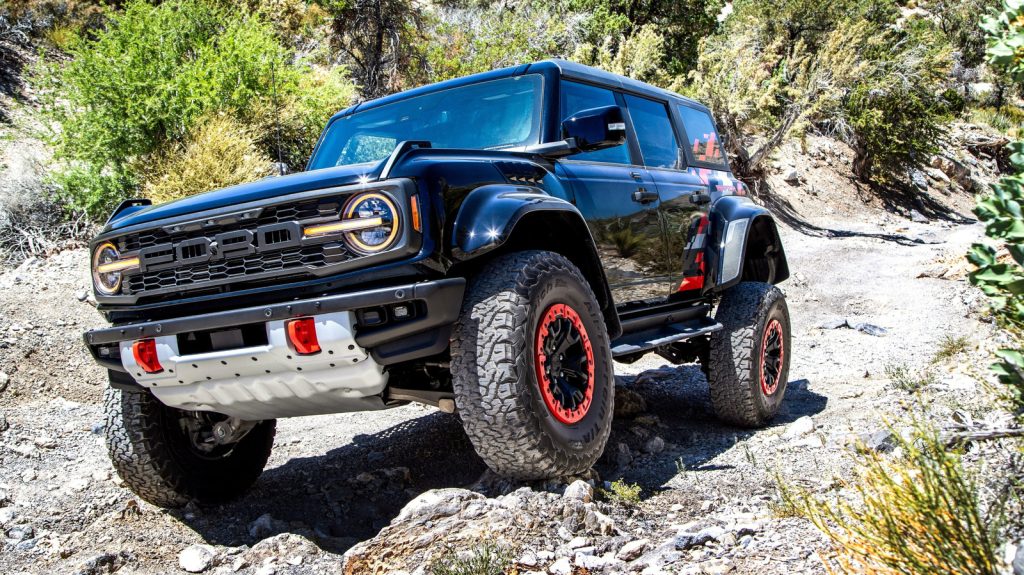
Built-in structural strength means these rigs can handle harsh trails without risking structural misalignment or overheating electronic all-wheel-drive couplings. Factory off-road editions like the Jeep Wrangler Rubicon, Ford Bronco Raptor, and Toyota 4Runner TRD Pro provide extreme trail capability right off the showroom floor.
3. Massive Space Combined with Real Utility
Buyers looking for max passenger seating often consider minivans or mid-size crossovers. However, when generous three-row seating must be combined with high towing capacity and rough-terrain ability, full-size body-on-frame SUVs stand in a class of their own.
Models like the Chevrolet Tahoe, Ford Expedition, and Toyota Sequoia share mechanical roots with full-size pickup trucks, delivering expansive cabin space along with work-truck strength. Extended-wheelbase options such as the Chevy Suburban or Lincoln Navigator L maximize cargo capacity behind the third row, fulfilling spatial needs that crossover platforms simply cannot match.
4. Extensive Aftermarket and Personalization Options
Vehicle owners who enjoy modifying their rides will find an abundance of aftermarket support for body-on-frame models. Entire industries exist to serve platforms like the Wrangler, Bronco, and 4Runner, supplying everything from heavy-duty steel bumpers to suspension lift kits.
Because full-size SUVs share mechanical parts with high-volume pickup trucks, performance modifications are equally accessible. Enthusiasts looking to add supercharger kits, upgraded exhaust systems, or heavy-duty winches will find far more dedicated options than exist for typical crossovers.
5. Elevated Engagement and Driving Character
Mainstream crossovers prioritize muted comfort, but body-on-frame SUVs offer a distinctly adventurous driving character. Purpose-built 4x4s like the Ford Bronco and Jeep Wrangler provide open-air freedom with removable doors and roofs, while models like the Toyota 4Runner feature popular power roll-down rear windows.
For driving purists, these truck-based rigs remain among the last modern vehicles to offer a traditional manual gearbox. High-output factory builds—including the V8-powered Jeep Wrangler 392 and the 418-horsepower Bronco Raptor—deliver high-speed off-road thrills that unibody utility vehicles cannot replicate.
Frequently Asked Questions
What is the primary difference between body-on-frame and unibody design?
In body-on-frame construction, the vehicle body is mounted onto a separate, heavy-duty steel chassis frame. Unibody design integrates the vehicle frame and outer body panels into a single unified structure, saving weight but reducing peak structural load capacity.
Do body-on-frame SUVs use more fuel than crossovers?
Generally, yes. The heavy steel chassis and larger mechanical gear lead to higher overall curb weight, which naturally impacts fuel economy. However, modern multi-speed gearboxes, direct-injection turbochargers, and hybrid powertrains have narrowed the efficiency gap considerably.
Who should choose a body-on-frame SUV?
A body-on-frame SUV is the best choice for drivers who regularly tow trailers exceeding 5,000 pounds, navigate technical off-road trails, or need maximum passenger and cargo volume paired with heavy-duty durability.