
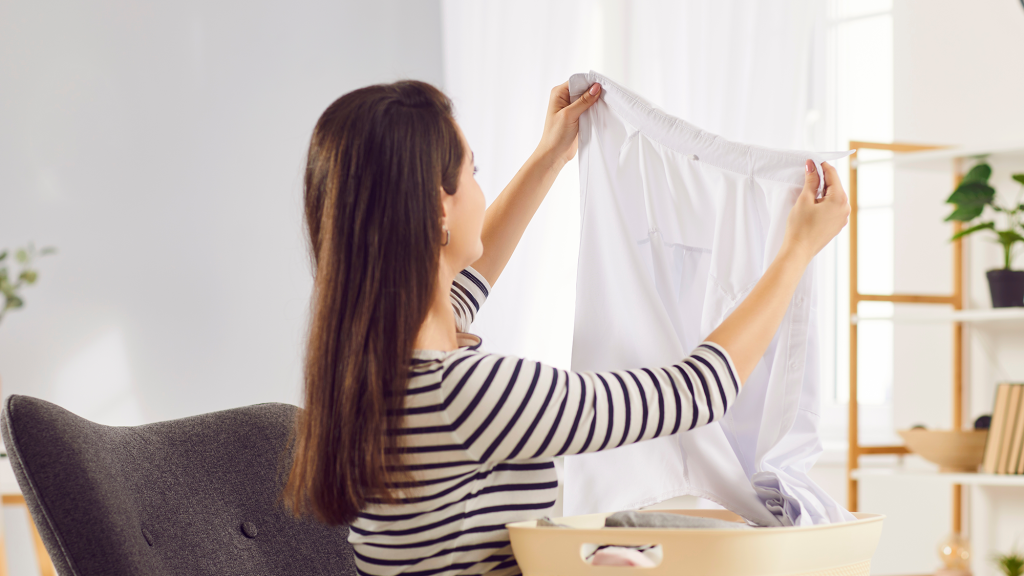
Keeping white garments bright during warm months is notoriously difficult as sweat, detergent residue, and mineral buildup accumulate over time. While many automatically reach for chlorine bleach to reverse dullness, misusing harsh chemicals can cause permanent yellowing and degrade delicate fabric fibers.
This article details how 3% hydrogen peroxide serves as a gentler, oxygen-based alternative to chlorine bleach for restoring grayed or discolored white clothing. By utilizing machine wash additions, pre-soaking routines, or targeted baking soda pastes, household caretakers can safely lift organic stains from bleach-sensitive laundry without damaging fabrics.
| Treatment Method | Recommended Formula | Application Time | Primary Use Case |
|---|---|---|---|
| Machine Wash Booster | 1 cup hydrogen peroxide | Standard wash cycle | General brightening for entire light-colored loads |
| Deep Pre-Soak Bath | 1 cup hydrogen peroxide per gallon of warm water | 30 to 60 minutes | Heavily dingy, discolored, or yellowed garments |
| Targeted Stain Paste | Equal parts hydrogen peroxide and baking soda | 30 to 60 minutes | Underarm sweat marks, collar grime, grass, and food stains |
The Hazards of Whitening Laundry with Chlorine Bleach
Chlorine bleach is a powerful disinfectant, but improper use often ruins white clothes instead of brightening them. According to industry leaders like Clorox, chemical yellowing is usually caused by user error, such as applying excess bleach or using it on non-bleach-safe fabrics. Once bleach strips fabric finish or reacts negatively with residual fibers, the resulting damage is permanent.
To prevent irreversible fabric damage, always check garment care tags before laundry day. A plain triangle symbol means the item accepts chlorine bleach, whereas a triangle with an “X” through it strictly forbids its use. Additionally, avoid exceeding the recommended dosage of 1/3 cup per regular laundry load. Chlorine bleach also poses health risks, generating hazardous toxic fumes if inadvertently mixed with household ammonia or vinegar.
Why Hydrogen Peroxide Is a Superior Alternative
Hydrogen peroxide offers an effective, mild solution for laundry care. Composed of hydrogen and oxygen molecules, this common medicine cabinet staple works through an oxidation process. As it contacts fabric, it releases tiny oxygen bubbles that physically lift and break down organic grime without stripping material integrity.
Unlike chlorine reactions that aggressively alter chemical compositions, hydrogen peroxide cleans gently and breaks down into plain water and oxygen. This makes it environmentally friendly, non-corrosive to washing machine drums, and safe for most bleach-sensitive fabrics.
3 Effective Ways to Whiten Clothes Using Hydrogen Peroxide
1. Boost Your Regular Washing Machine Cycle
For routine maintenance on dingy laundry, add hydrogen peroxide straight to your washer. Pour 1 cup of 3% hydrogen peroxide into the automatic liquid bleach dispenser. Alternatively, allow the washing machine tub to fill completely with water before adding the liquid. Never pour full-strength hydrogen peroxide directly onto dry garments. Complete the wash using the hottest water setting recommended on your garment care labels.
2. Pre-Soak Severely Grayed Garments
Dull, dingy items benefit significantly from an extended soaking session before entering the wash. Fill a basin or wash bucket with warm water, mixing in 1 cup of hydrogen peroxide for every gallon of water. Fully submerge the garments in the liquid and let them soak for 30 to 60 minutes. Wring out excess moisture, transfer the clothing to your washing machine, and wash as usual with standard laundry detergent.
3. Apply a Spot-Treatment Paste for Tough Stains
Targeted spots like underarm yellowing, ring-around-the-collar, or spilled organic liquids respond well to a concentrated paste. Mix equal parts hydrogen peroxide and baking soda until a smooth paste forms. Spread a thick layer over the affected area, using a soft-bristled toothbrush to work the solution gently into stubborn fibers. Allow the mixture to sit for 30 to 60 minutes, brush away dried residue, and laundering the clothing normally.
How to Test Hydrogen Peroxide Potency with the 10-Second Fizz Test
Hydrogen peroxide gradually decomposes into basic water once exposed to air and light. Unopened bottles usually retain full strength for one to three years, but an opened bottle loses efficacy within one to six months. Using degraded peroxide produces weak whitening results.
To verify if your solution is active, perform a quick 10-second fizz test. Pour a small splash of hydrogen peroxide into a glass, then drop in a slice of raw potato or a pinch of active dry yeast. Immediate, vigorous bubbling confirms that the chemical compound is potent enough for stain removal tasks.
Frequently Asked Questions
Can hydrogen peroxide turn white clothing yellow like bleach does?
No, hydrogen peroxide does not cause fabric yellowing. Because it relies on oxygen release rather than harsh chlorine chemistry, it gently lifts organic buildup without scorching or stripping sensitive textile finishes.
Is hydrogen peroxide safe for all white fabrics?
Hydrogen peroxide is safe for almost all washable white fabrics, including cotton, linen, and synthetic blends. However, always test a small, hidden seam first on delicate items like silk or wool before soaking the entire garment.
How long does an opened bottle of hydrogen peroxide remain effective?
Once opened, hydrogen peroxide generally stays effective for one to six months. Storing the dark bottle tightly sealed in a cool, dark cabinet helps preserve its active oxygen concentration longer.