
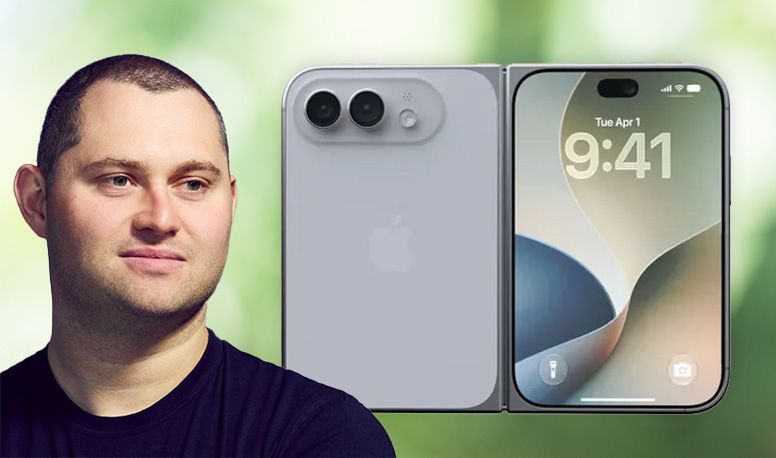
As tech enthusiasts eagerly await Apple’s next major hardware announcements, speculation surrounding the long-rumored foldable iPhone Ultra has reached a peak. Bloomberg reporter Mark Gurman has shared extensive insights into how Apple intends to position its high-end foldable device against established Android competitors.
Direct Summary: This overview details the expected specifications, pricing, release schedule, and design trade-offs of Apple’s upcoming foldable device, dubbed the iPhone Ultra. Based on reporting from Bloomberg’s Mark Gurman, the article explains how Apple intends to leverage its tablet app ecosystem to secure an immediate advantage over Android foldables upon release for high-end smartphone buyers.
iPhone Ultra Expected Specifications and Features
Industry reports and leaks provide a clearer picture of what Apple’s first foldable device will offer compared to traditional flagship smartphones. Below is a breakdown of the key hardware rumors and specs discussed by Mark Gurman.
| Feature | Rumored Specification / Detail | Market Context & Notes |
|---|---|---|
| Cover Display | 5.5 inches | Compact outer screen for quick interactions |
| Main Display | 7.8 inches | Passport-style fold, similar in size to an iPad mini |
| Hinge Technology | Liquid Metal with teardrop cavity | Designed to reduce display crease and improve structural durability |
| Camera Array | Dual-camera (Main Wide + Ultra Wide) | Omits the dedicated telephoto zoom lens present on Pro models |
| Biometrics & Power | Touch ID integration & MagSafe support | Replaces Face ID while preserving magnetic wireless charging |
| Estimated Price | $2,000 to $2,500+ | Positioned alongside top-tier storage configurations of Pro models |
Target Audience and Product Positioning
Addressing the question of who actually needs a foldable device, Gurman notes that the iPhone Ultra is not designed as an essential upgrade for the average user. Instead, Apple is marketing the device as a luxury status symbol targeted at early adopters who want an expansive screen in a pocketable form factor.
Apple plans to emphasize media consumption, web browsing, and mobile gaming as primary selling points. The wider aspect ratio makes the main display ideal for landscape video, while turning the phone vertically optimizes portrait feeds. Rather than bringing desktop-level multitasking to the device, Apple will offer iPad-style side-by-side app functionality and drag-and-drop capabilities optimized for the 7.8-inch canvas.
Crease Engineering and Hardware Trade-Offs
Minimizing the center crease has been a primary reason for Apple’s extended development timeline. While the crease will not be entirely invisible, Gurman indicates that Apple’s Liquid Metal hinge mechanism, built with an internal teardrop cavity, will significantly reduce mechanical strain and keep the display smoother over extended use compared to early Android designs.
However, adopting the new form factor comes with distinct trade-offs:
- No Telephoto Lens: The phone is expected to stick to a main wide and ultra-wide camera setup, relying on digital zoom rather than dedicated optical zoom hardware.
- Touch ID Replacement: To maintain a slim profile, Apple is expected to use Touch ID instead of Face ID hardware.
- MagSafe Retention: Unlike some Android foldables that skip built-in magnets, Apple will include MagSafe for easy accessory attachment.
Price Projections and Release Schedule
The iPhone Ultra is projected to enter the market at a starting price of $2,000 or higher, putting it firmly in the ultra-premium tier. Analyst forecasts remain optimistic despite the high cost; IDC estimates first-year shipments could top 10 million units, while Counterpoint Research suggests Apple could capture up to 25% of global foldable shipments by 2026.
Despite persistent rumors of production delays, Gurman expects Apple to announce and release the foldable phone alongside or very close to its flagship Pro lineup rather than pushing launch dates into late autumn.
Apple’s Native Advantage Over Android Competition
The most significant edge Apple possesses over Android foldables lies in third-party software optimization. Android foldable devices have long faced issues with popular mobile applications stretching awkwardly across larger screen ratios.
Apple aims to solve this problem instantly by drawing on its established iPad app ecosystem. Through updated developer tools in iOS 27, software creators can easily adjust their apps for automatically resizable layouts. As a result, major applications will look and feel native on the iPhone Ultra display right out of the box.
Frequently Asked Questions
How much will the iPhone Ultra cost at launch?
According to Bloomberg’s Mark Gurman, the iPhone Ultra is expected to start at $2,000 or higher, aligning its cost with upper-tier storage options of Apple’s flagship Pro models.
Will the foldable iPhone feature Face ID?
Reports suggest the iPhone Ultra will forego Face ID in favor of Touch ID to preserve a thinner chassis, though it will retain full support for MagSafe accessories.
What is Apple’s main advantage over Android foldables?
Apple’s primary advantage is immediate app optimization. By leveraging iOS 27 developer tools and iPad OS software structures, applications will automatically resize and display native interfaces without the layout issues common on Android foldables.