
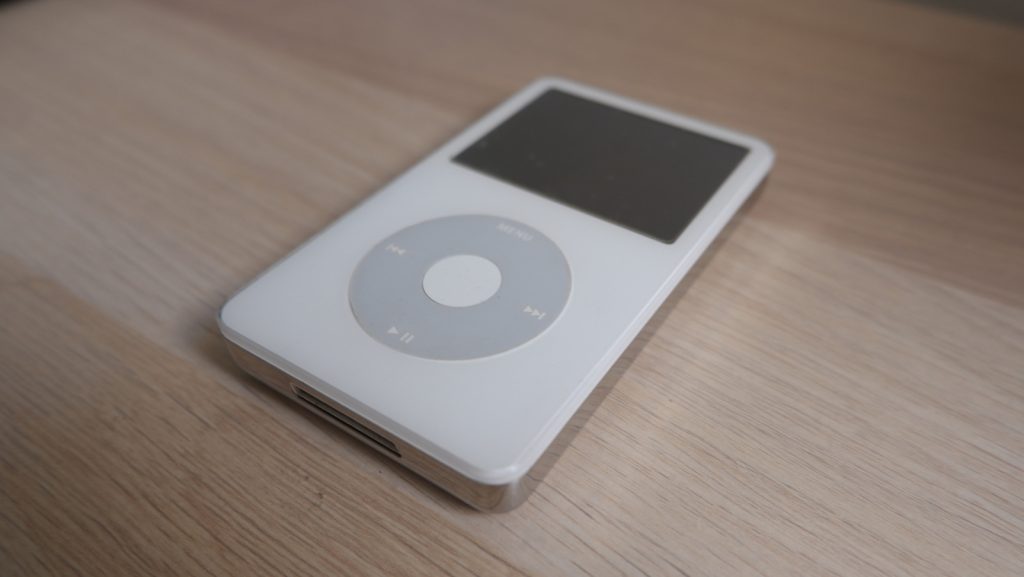
Smartphones and endless music streaming services might dominate modern audio, but dedicated media players are experiencing an unexpected resurgence. Many music lovers are turning away from subscription apps and returning to dedicated hardware to reclaim control over their personal audio libraries.
This analysis explores why purchasing a vintage Apple iPod remains a practical decision for audiophiles, privacy advocates, and focused listeners. It details nine primary advantages—such as built-in headphone jacks, offline lossless playback, extended battery life, and distraction-free listening—demonstrating how legacy hardware still delivers exceptional everyday value.
Comparing Classic Hardware to Modern Streaming
Before examining the specific advantages, here is a quick overview of how a dedicated classic player compares to listening on a modern smartphone:
| Feature / Capability | Classic Apple iPod | Modern Smartphone Streaming |
|---|---|---|
| Audio Connection | Native 3.5mm headphone jack | Requires Lightning/USB-C dongle or Bluetooth |
| Lossless Support | Full wired support (ALAC, AIFF, WAV) | Bluetooth compresses lossless signals |
| Listening Environment | 100% distraction-free (no apps/alerts) | Frequent notifications & app interruptions |
| Data & Privacy | Completely offline, zero telemetry | Algorithmic tracking & targeted ad data |
| Battery Impact | Dedicated power (up to 36 hours) | Drains primary phone battery throughout day |
Psychological Comfort and Nostalgic Value
Reconnecting with early 2000s hardware provides more than just a trip down memory lane. Psychological research indicates that nostalgia fosters meaningful social connections, reinforces personal identity, and provides emotional comfort during stressful periods. Handling a click wheel and navigating local tracks offers a grounding experience that digital apps simply cannot replicate.
However, buyers should remain mindful of the nostalgia effect, which tends to filter past memories through rose-colored glasses. While the tactile charm of early MP3 players is undeniable, managing music files manually requires patience compared to modern cloud interfaces.
Collecting Vintage Digital Media
Much like the recent revival of vinyl records and cassette tapes, vintage digital music players are becoming prized collector items among younger generations. Early Apple hardware is rapidly appreciating in value, with restored models frequently popping up on secondary marketplaces at premium prices.
Investing in a classic iPod allows collectors to own a piece of personal technology history without the bulk or storage requirements of physical vinyl records. Securing a unit now ensures you capture a fully functional device before limited secondary market supplies drive prices higher.
Native 3.5mm Headphone Jack Support
Ever since major phone manufacturers began eliminating the 3.5mm audio port in 2016, listeners have been forced to rely on wireless earbuds or external adapters. Dedicated legacy players maintain native wired headphone inputs, eliminating concerns over Bluetooth compression, audio latency, or dead earbud batteries mid-transit.
This built-in port allows audiophiles to plug high-end, stage-grade in-ear monitors directly into the device. You get zero latency and pure analog transmission without buying extra adapters or portable digital-to-analog converters.
Distraction-Free Audio Listening
Modern mobile devices are engineered to capture attention, with push notifications, social feeds, and messages constantly interrupting your stream. Studies show that simply having a phone nearby can diminish your focus and reduce the cognitive pleasure derived from recreational activities like music listening.
Legacy music players lack cellular chips, app stores, and Wi-Fi connectivity (outside of later Touch models). Isolating your music on a standalone device creates a focused listening environment where you can appreciate full albums without screen-time interruptions.
Escaping Recommendation Algorithms
Streaming platforms rely heavily on automated recommendation engines to dictate what you listen to next. While convenient, these algorithms tend to keep listeners trapped within narrow genre loops and create a constant craving for instant novelty rather than deep engagement with established records.
Using a dedicated hardware player puts manual curation back in your hands. Without an algorithm queueing up endless tracks, you are encouraged to listen through full discographies and rediscover hidden gems already stored on your drive.
Dedicated Battery Life Protection
Running audio streams, location services, and background updates on a smartphone severely impacts daily battery longevity. Shifting playback responsibilities to a secondary device preserves your phone’s power for emergency calls, navigation, and daily tasks.
Models like the iPod Classic were originally rated for up to 36 hours of continuous audio playback on a single charge. While vintage units may require a fresh replacement battery due to natural lithium-ion aging, a refurbished battery can easily supply days or even weeks of regular use between charges.
Guaranteed Offline Playback
Cloud streaming relies entirely on stable cellular networks or persistent Wi-Fi connections. Signal dead zones, plane travel, or sudden app updates can lead to missing tracks, cached file deletions, or playback errors right when you need your music most.
A dedicated hardware drive guarantees your media remains local and immediately accessible. Once files are synced to the internal storage via desktop software, your library stays put indefinitely without risk of automated cloud removals.
Portable Lossless Audio Quality
While modern platforms offer high-resolution audio options, standard Bluetooth connections lack the bandwidth necessary to transmit true uncompressed audio. A direct wired connection to a dedicated player delivers true lossless sound quality without wireless compression artifacts.
Classic models natively support uncompressed and losslessly compressed formats, including ALAC, AIFF, and WAV. Converting your audio collection to ALAC allows you to carry studio-quality sound directly in your pocket.
Enhanced Personal Data Privacy
Major streaming platforms actively monitor user listening habits, geographic locations, and playlist choices for ad targeting and behavioral analysis. Multi-million-dollar regulatory fines against major media platforms highlight the extensive data collection practices embedded in modern apps.
An offline player operates completely off the grid. Without background telemetry, internet access, or ad tracking, your daily listening habits remain completely private.
Frequently Asked Questions
Can an old iPod still sync with modern computers?
Yes, vintage iPods can still be synced using modern computers. On macOS, device management is integrated directly into Finder, while Windows users can continue using the desktop iTunes application or third-party open-source sync utilities.
How difficult is it to replace the battery on a vintage iPod?
Battery replacement difficulty varies by model. While some versions feature tightly sealed aluminum enclosures that are challenging to open without specialized tools, repair kits and professional restoration services are widely available online.
What high-quality audio formats do classic iPods support?
Classic iPod models natively support Apple Lossless (ALAC), AIFF, and WAV audio formats. Users with FLAC audio files can easily convert them to ALAC format using desktop media management software before syncing.