
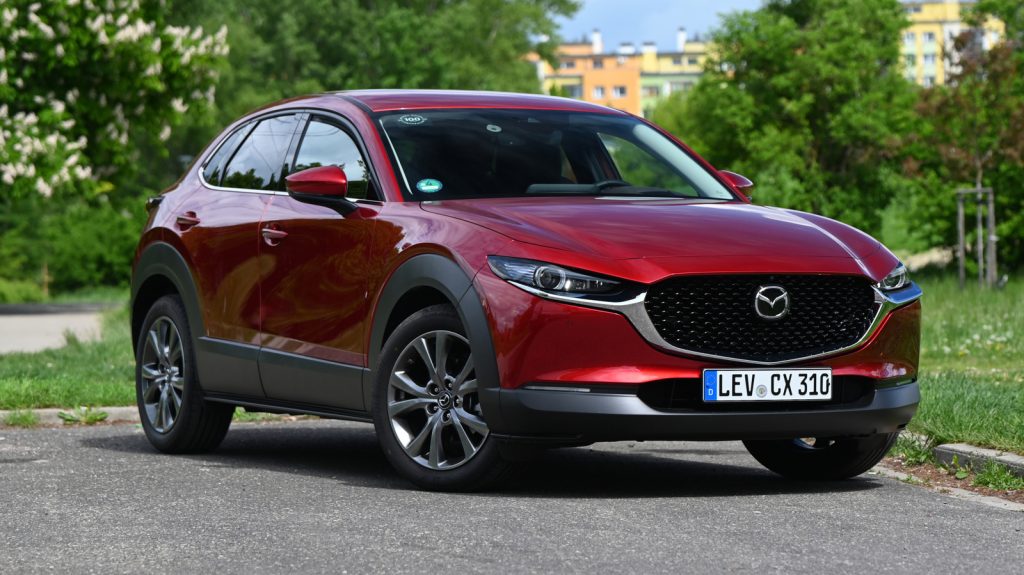
When shopping for a small crossover, many buyers flock to the Mazda CX-30 for its upscale interior styling and athletic handling. However, its tight rear seat quarters, control knob infotainment interface, and modest cargo hold lead several leading automotive reviewers to rank key subcompact rivals higher overall. This comparative breakdown highlights five top small SUVs—the Hyundai Kona, Chevrolet Trax, Kia Seltos, Toyota Corolla Cross, and Honda HR-V—that earn higher scorecards than the CX-30 across major auto testing publications like Edmunds and Kelley Blue Book, offering practical utility and better value for modern drivers.
| Vehicle Model | Base Starting Price | Edmunds Rating | KBB Expert Score | Cargo Volume (Behind 2nd Row) |
|---|---|---|---|---|
| Mazda CX-30 | $26,375 | 6.1 / 10 | 4.2 / 5 | 20.2 cu. ft. |
| Hyundai Kona | Subcompact Class | 7.9 / 10 | 4.8 / 5 | 25.5 cu. ft. |
| Chevrolet Trax | $21,700 | 7.0 / 10 | 4.3 / 5 | 25.6 cu. ft. |
| Kia Seltos | $24,990 | 6.4 / 10 | 4.2 / 5 | Passenger-Focused Cabin |
| Toyota Corolla Cross | Subcompact Class | 6.2 – 6.7 / 10 | 4.5 / 5 | 21.5 cu. ft. (Hybrid) |
| Honda HR-V | $28,050 | 6.6 / 10 | 4.4 / 5 | 24.4 cu. ft. |
Hyundai Kona
The Hyundai Kona claims the top spot among extra-small SUVs on Edmunds with a 7.9 out of 10 score, standing well clear of the CX-30’s 6.1 rating. The Kona excels primarily in usability and onboard technology, offering 25.5 cubic feet of rear cargo space compared to the Mazda’s 20.2 cubic feet.
Furthermore, the Kona features a user-friendly touchscreen interface, whereas Mazda continues to rely on a console-mounted rotary control dial. Kelley Blue Book (KBB) echoes this praise, awarding the Kona a 4.8 out of 5 expert rating and naming it the top subcompact SUV for three consecutive years.
Chevrolet Trax
With a starting sticker price of $21,700, the Chevrolet Trax undercuts the base Mazda CX-30 ($26,375) by nearly $4,700. Beyond its budget-friendly entry point, Edmunds awards the Trax a 7.0 out of 10, highlighting its superior 25.6 cubic feet of cargo space and expanded rear legroom.
While the CX-30 includes standard all-wheel drive—a feature unavailable on the front-wheel-drive Trax—KBB still ranks the Trax higher at 4.3 out of 5 versus the Mazda’s 4.2 score. For budget-conscious buyers who prioritize interior space over winter traction, the Chevy offers a compelling alternative.
Kia Seltos
Starting at $24,990, the Kia Seltos undercuts the CX-30’s base price by roughly $1,400 while delivering a significantly roomier passenger environment. Edmunds places the Seltos ahead with a 6.4 out of 10 compared to the Mazda’s 6.1 rating, though KBB considers the pair tied at 4.2 out of 5.
While Mazda provides standard AWD and potent turbocharged engine options on higher trims, the Seltos offers available AWD while keeping mid-tier pricing far more accessible. Drivers needing adult-friendly rear seating often lean toward the Kia’s upright cabin design.
Toyota Corolla Cross
The Toyota Corolla Cross earns a 6.2 out of 10 on Edmunds, with the Hybrid variant climbing to 6.7—both ahead of the CX-30’s 6.1 score. KBB places even greater distance between them, giving the Toyota a 4.5 out of 5 against Mazda’s 4.2.
Although outlets focused strictly on enthusiast driving dynamics prefer the CX-30’s athletic chassis, the Corolla Cross wins over practical commuters. With 21.5 cubic feet of rear cargo capacity in the Hybrid model and strong overall utility scores, the Toyota remains a tough competitor to beat.
Honda HR-V
Although it does not match the rapid acceleration of turbocharged Mazda models, the Honda HR-V beats the CX-30 on everyday usability metrics. KBB rates the HR-V at 4.4 out of 5 over the CX-30’s 4.2, while Edmunds ranks the Honda higher at 6.6 out of 10.
The HR-V provides a generous rear seating area alongside 24.4 cubic feet of rear cargo space—over 4 cubic feet more than the CX-30. Starting at $28,050, the HR-V carries a slightly higher price tag, but rewards buyers with superior everyday versatility.
How Scoring Varies Across Automotive Publications
Automotive ratings fluctuate based on what each testing organization emphasizes most. Publications like U.S. News & World Report place significant weight on performance and cabin luxury, ranking the CX-30 near the top of its class with a 9.1 out of 10 rating.
Conversely, outlets like Edmunds and KBB penalize vehicles with tight rear seats, awkward cargo openings, or non-touchscreen infotainment systems. Buyers seeking standard AWD and sports-car-like handling will appreciate the Mazda, while buyers focused on maximum cargo capacity and passenger comfort will favor options like the Kona, Trax, or HR-V.
Frequently Asked Questions
Why does the Mazda CX-30 rank lower on some expert lists?
While reviewers consistently praise the CX-30 for its luxury-level interior trim and responsive handling, it loses points for a tight back seat, a rotary-dial infotainment layout, and a smaller cargo capacity than most subcompact competitors.
Which subcompact SUV offers the biggest cost savings compared to the CX-30?
The Chevrolet Trax offers the largest price advantage, starting at $21,700. That is nearly $4,700 lower than the base CX-30, despite offering significantly more rear passenger space and cargo capacity.
Does the Mazda CX-30 offer standard all-wheel drive compared to its rivals?
Yes, all U.S.-spec Mazda CX-30 models come standard with all-wheel drive. Rivals like the Chevrolet Trax only offer front-wheel drive, while the Kia Seltos, Hyundai Kona, and Honda HR-V offer AWD as an extra-cost option on base configurations.