
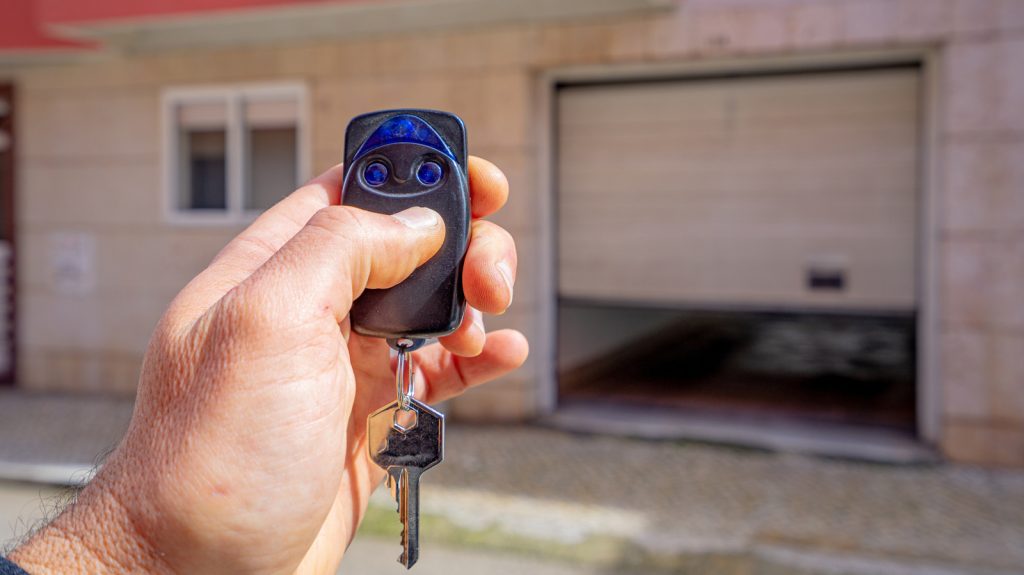
A reliable garage door opener provides effortless home access, but components inevitably wear down after years of daily operation. Recognizing the subtle indicators of mechanical fatigue can save homeowners from sudden lockouts and safety hazards.
Direct Summary: Residential garage door openers typically have a functional lifespan of 15 to 20 years. Key signs that indicate a unit needs replacement include inconsistent door operation, harsh noises or jerky movements, failure to close completely, and obsolete technology missing modern security features. Replacing an aging mechanism over 15 years old is often more economical than paying for recurring professional repairs.
| Indicator / Metric | Probable Root Cause | Recommended Action |
|---|---|---|
| System Age (15+ Years) | General mechanical fatigue and component wear | Evaluate replacement options before total failure occurs. |
| Inconsistent Operation | Failing control board, dying battery, or logic board glitch | Test batteries; consult a technician for unit replacement if widespread. |
| Jerky Motion & Loud Noises | Worn drive gears, motor stress, or loose chains | Inspect for loose hardware; schedule replacement if motor is failing. |
| Door Reverses / Won’t Close | Misaligned photo-eye sensors, obstruction, or track wear | Clear debris from path; upgrade opener if sensor electronics fail. |
| Legacy Technology | Lack of rolling code security or smart device integration | Upgrade to a modern smart opener for enhanced safety and features. |
Unreliable or Unpredictable Performance
When a garage door opener fails to trigger reliably upon command, internal components are usually deteriorating. Intermittent responsiveness, where the motor runs only occasionally, signals an underlying electrical or mechanical fault. Similarly, a door that opens or closes spontaneously without user input poses a serious security risk.
While minor issues like a dead transmitter battery are quick fixes, recurring operational glitches often point to failing logic boards or worn internal wiring. Inspecting the system with a qualified technician can help clarify whether a targeted repair is viable. If multiple components are degrading simultaneously due to age, investing in a fresh unit prevents continuous troubleshooting expenses.
Unusual Sounds and Jerky Movement
Modern door openers are engineered to function smoothly and quietly. Pay close attention to how the mechanical system sounds and moves during daily cycles. If the door moves at a drastically reduced speed or shakes violently while rising, mechanical strain is present.
Grinding, squealing, or rattling noises often stem from direct motor stress or compromised drive components. While routine lubrication or spring adjustments occasionally resolve noise, persistent mechanical resistance on older units usually signals that the motor is near the end of its service life. Replacing the unit proactively prevents mid-operation breakdowns.
Failure to Close Completely or Unexpected Reversing
A common operational headache occurs when the garage door starts closing, abruptly stops, and reverses direction. Safety features built into modern openers automatically trigger this movement to prevent crushing injuries or physical damage.
In many situations, simple obstructions or dirty photo-eye lenses cause unexpected reversals. Clearing dust and debris away from the bottom sensors often restores baseline performance. However, if the door continues to malfunction after cleaning sensor lenses, internal logic board failures, track misalignment, or failing drive rollers may be responsible, warranting a professional system overhaul.
Outdated System Features and Tech Upgrades
Even if an older garage door opener still functions, replacing it can be a smart home improvement decision. Older units frequently lack current safety protocols, quiet belt-drive technology, or rolling-code encryption that protects homes from wireless signal interception.
Upgrading to contemporary smart garage door models unlocks remote smartphone monitoring, scheduled closing times, and seamless integration with broader security networks. Replacing an obsolete unit allows homeowners to take advantage of improved energy efficiency, quieter performance, and superior digital control.
Why Professional Inspection Matters
Garage door mechanisms operate under extreme tension and utilize complex high-voltage electronics. Attempting do-it-yourself fixes on severe opener problems can lead to personal injury or property damage without proper tools and training.
If your system exhibits persistent operational flaws or has surpassed the 15-year mark, contact a certified technician. Professional inspection ensures accurate diagnosis and safe installation, providing dependable access to your home for years to come.
Frequently Asked Questions
What is the average lifespan of a home garage door opener?
Most residential garage door openers last between 15 and 20 years. Lifespan varies based on usage frequency, routine maintenance, localized climate conditions, and build quality. Once an opener reaches 15 years of age, planning for replacement is recommended.
Is it better to repair or replace a malfunctioning opener?
Minor issues like dead remote control batteries or simple sensor realignments warrant quick repairs. However, if an aging unit requires major motor repairs, component replacements, or frequent service calls, installing a new opener is generally more cost-effective long term.
Why does my garage door open slightly and then reverse?
This action is typically triggered by the safety reversal system. Dust, leaves, or objects blocking the photo-eye sensors will cause the door to reverse course. If clearing obstructions fails to solve the issue, a faulty sensor cable or motor logic unit may require replacement.