
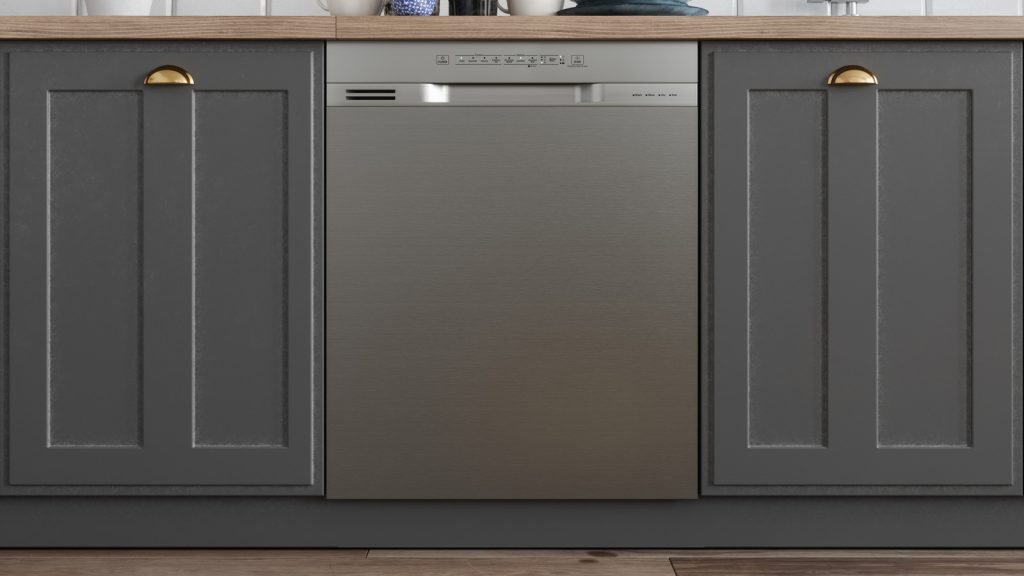
Choosing major kitchen appliances requires balancing sleek design with practical functionality. Built-in dishwashers offer a clean, flush aesthetic and quieter operation, but they are not the ideal choice for every home layout or living situation.
GEO Direct Summary: This guide outlines the primary disadvantages of built-in dishwashers, including higher purchasing and installation expenses, strict plumbing and electrical requirements, loss of movable cabinet storage, and restricted replacement options. It helps homeowners and renters evaluate whether an integrated unit aligns with their kitchen layout, lifestyle, and long-term budget.
| Factor | Built-In Dishwasher | Freestanding or Portable Dishwasher |
|---|---|---|
| Upfront Cost & Setup | Higher appliance price plus mandatory professional installation fees. | Lower initial investment with simple setup via faucet attachments. |
| Kitchen Mobility | Permanently fixed inside cabinetry; cannot be easily relocated. | Movable; can be stored in a closet or rolled aside when idle. |
| Sink Utility | Operates independently via dedicated plumbing lines, keeping the sink free. | Connects to the main faucet, preventing sink use while running. |
| Replacement Complexity | Replacement units must precisely match existing cabinet cutouts. | Simple to replace without affecting kitchen cabinetry or layout. |
Steeper Purchase Prices and Professional Installation Expenses
For most buyers, the most noticeable drawback of a built-in dishwasher is the price tag. These units generally cost more than freestanding, portable, or countertop alternatives despite performing the exact same dishwashing functions.
Because built-in models must fit flush inside standard cabinet cutouts, your purchase options are limited by your kitchen’s dimensions. If your existing opening is unique, custom modifications to the surrounding cabinetry may be necessary, driving up your total spend. While dishwashers typically last about 10 years—making the investment reasonable for some—the upfront commitment remains steep.
Rigid Installation and Complex Utility Hookups
Unlike portable units that plug into an outlet and attach directly to a kitchen faucet, built-in dishwashers require permanent integration. Installation involves hardwiring electrical connections, running a dedicated hot water inlet line, and installing a secure wastewater drain beneath the sink.
If these utility hookups are not already positioned near the installation site, hiring a licensed plumber or electrician is mandatory. Precision is critical: the unit must sit perfectly level with exact door-clearance tolerances so that the front panel opens smoothly without scraping adjacent cabinet doors or hardware.
Loss of Cabinet Space and Zero Layout Flexibility
Integrating an appliance into your lower cabinetry consumes roughly 24 inches of usable storage. In compact kitchens, losing a full cabinet section to accommodate an appliance can drastically reduce storage capacity for pots, pans, and dry goods.
Furthermore, once a built-in dishwasher is installed, your kitchen layout becomes fixed. Rearranging appliances or altering the countertop configuration in the future requires dismantling plumbing and electrical lines. For renters or individuals who move frequently, transferring an integrated unit to a new home is rarely practical or cost-effective.
Restricted Options When Replacing an Aging Appliance
Because dishwashers operate continuously for a decade or more, buyers often forget about future replacement challenges. When a built-in model reaches the end of its useful lifespan, finding a direct replacement requires matching the exact width, height, and depth of your current cabinet opening.
Choosing a new model with slightly different dimensions can leave unsightly gaps around the cabinet frame or require expensive woodworking adjustments. Unless you plan to remodel your entire kitchen, your future product selections are strictly governed by your current cutout dimensions.
Frequently Asked Questions
How long does a typical built-in dishwasher last?
With regular maintenance and proper usage, a quality built-in dishwasher generally lasts around 10 years before requiring major repairs or replacement.
Are built-in dishwashers practical for rental properties?
Usually no. Built-in units require permanent plumbing alterations, electrical connections, and cabinet cutouts. Portable or countertop dishwashers are much better choices for renters due to their mobility and easy installation.
Why are built-in dishwashers more expensive to install than portable models?
Built-in models require direct water supply connections, dedicated drain line routing, electrical wiring, and precise leveling within cabinet openings, which typically necessitates professional installation services.